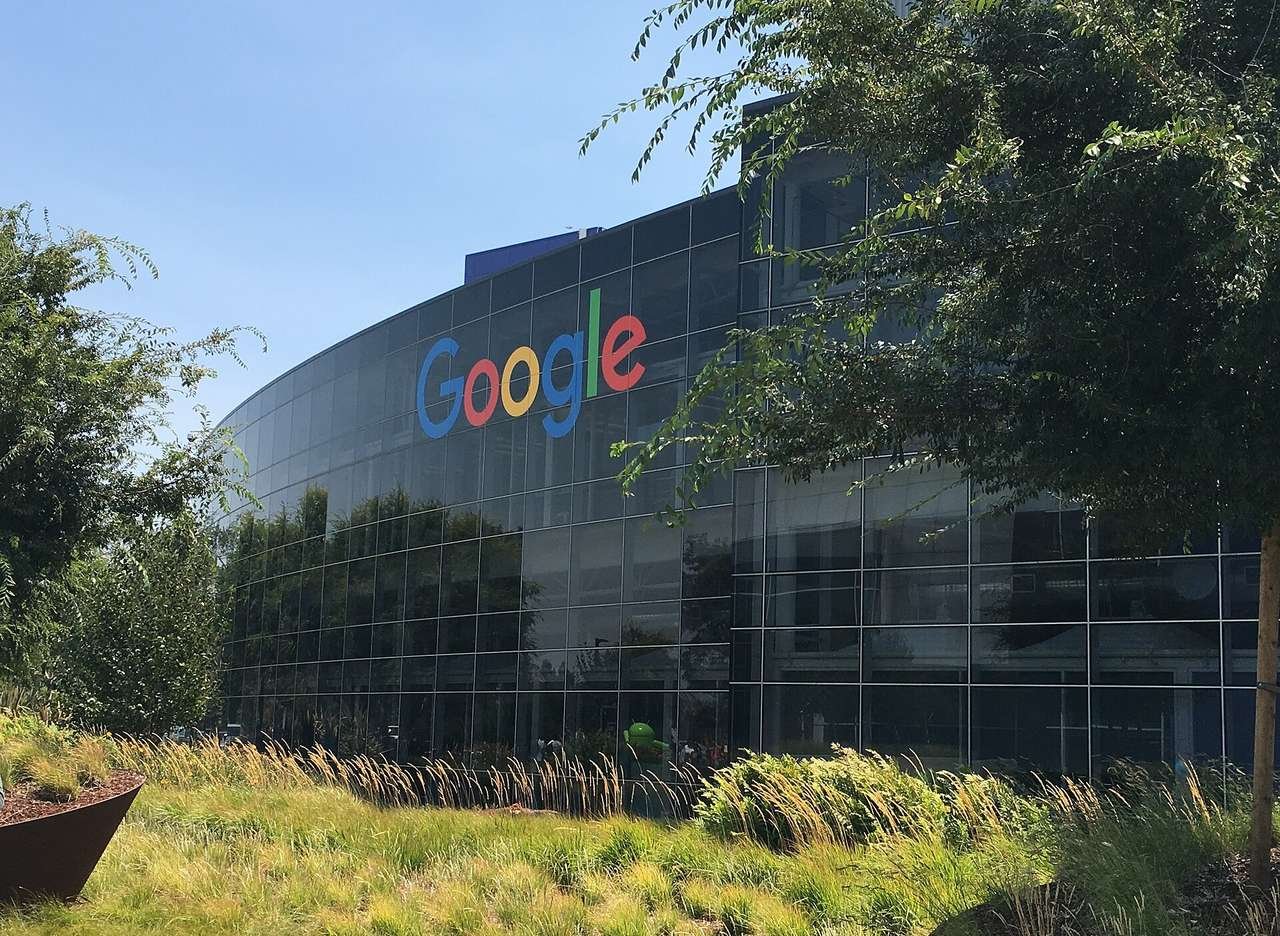

A federal judge on Tuesday declined to order Google to sell parts of its advertising technology business, handing the company a partial reprieve in one of the largest antitrust cases brought against a major technology firm in the United States.
The ruling followed an April 2025 decision by U.S. District Judge Leonie Brinkema, who found that Google held illegal monopolies over two markets: the servers that publishers use to host and manage their online advertisements, and the ad exchanges that sit between buyers and sellers of digital ad space.
The Justice Department had sought a structural remedy, pushing for Google to divest key parts of its ad tech stack to restore competition. The court instead rejected that forced sale, opting for narrower behavioral fixes rather than dismantling the business outright.
The outcome leaves Google’s advertising operation, a core engine of parent company Alphabet’s revenue, largely intact. Online advertising generates the bulk of the company’s income, and a forced divestiture would have carved out one of its most profitable divisions.
Behind the numbers, the case reflected years of complaints from publishers and rival ad firms who argued that Google controlled both sides of the marketplace while also running the auction in between. Regulators contended that arrangement squeezed the fees paid to news outlets and other content producers.
The decision arrives against a broader run of antitrust scrutiny. Earlier, a judge found Google had unlawfully maintained dominance in the ad exchange market, a ruling that fed into the current remedy phase. The company has also faced pressure abroad, including a multibillion-euro penalty from European regulators over similar ad tech practices.
For publishers, the practical effect is that the marketplace they depend on will not be broken apart in the near term, though behavioral conditions could still reshape how auctions and fees operate. The Justice Department may appeal the remedy, and Google retains the option to challenge the underlying liability finding.
The next stage centers on how the court’s narrower conditions are implemented and enforced. Both the government and Google are expected to continue contesting the scope of any remedies through further proceedings, leaving the final shape of the case unresolved as appeals move forward.