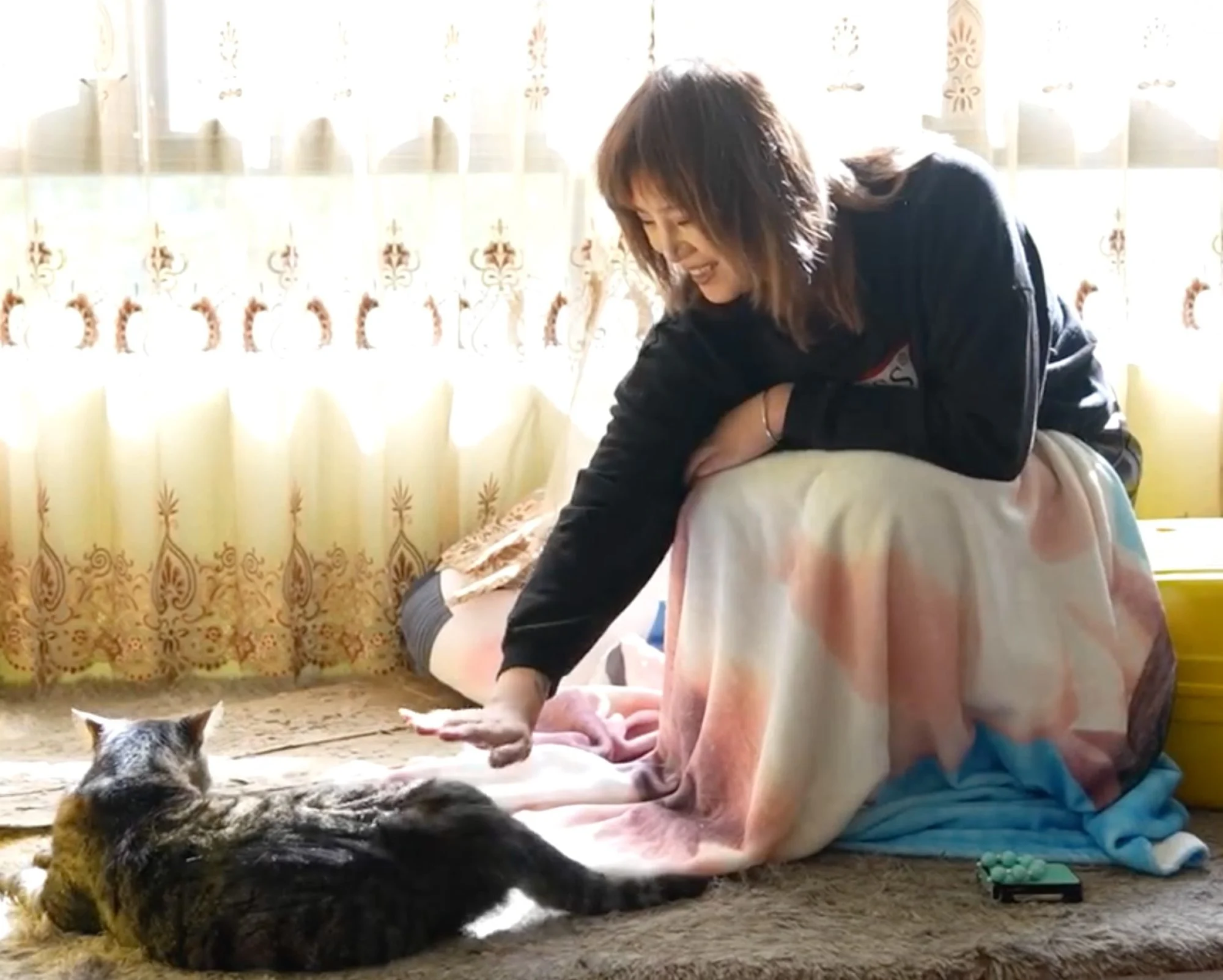

In Shanghai, the heart-wrenching story of Erika, a woman who made the difficult decision to place her terminally ill father in hospice care, has ignited a national conversation about end-of-life care and the cultural taboos surrounding death in China. Erika, an only child born in the 1980s, had previously endured the loss of her mother to lung cancer. This year, she faced the daunting reality of her father’s diagnosis with prostatic and intestinal cancer.
Despite her efforts to provide the best medical care, including consultations at Fudan University Shanghai Cancer Centre, doctors informed Erika that her father’s advanced cancer was beyond the help of surgery or chemotherapy. With this prognosis, Erika chose hospice care, prioritizing her father’s comfort in his final days.
This decision, however, was met with stark disapproval from her relatives. They pressured her to continue medical treatments, underlining a common belief in Chinese culture that one must spare no effort to prolong the life of a loved one, regardless of the suffering it may entail. The family rift deepened as Erika stood by her decision, leading to her estrangement and being labeled a “white-eyed wolf,” a term implying ingratitude.
Erika’s story, which garnered significant attention on social media platforms like Weibo, reflects the broader societal challenges and evolving perspectives on palliative care in China. While some netizens supported her decision, citing it as the most humane choice under the circumstances, others disagreed, highlighting the deeply ingrained cultural beliefs about filial duty and the sanctity of life.
The narrative underscores the complex dynamics within Chinese families when confronting terminal illnesses. It also sheds light on the emerging discourse in China about the quality of life, dignity in dying, and the individual’s right to choose their end-of-life path. As the country grapples with modern healthcare ethics and traditional values, stories like Erika’s pave the way for more open conversations about death, dying, and the emotional toll on those who must make these profound decisions.
In a society where discussions about death remain largely taboo, Erika’s experience has become a catalyst for a broader debate, urging a reevaluation of long-standing cultural norms and a more compassionate understanding of the choices made at life’s end.
READ MORE: