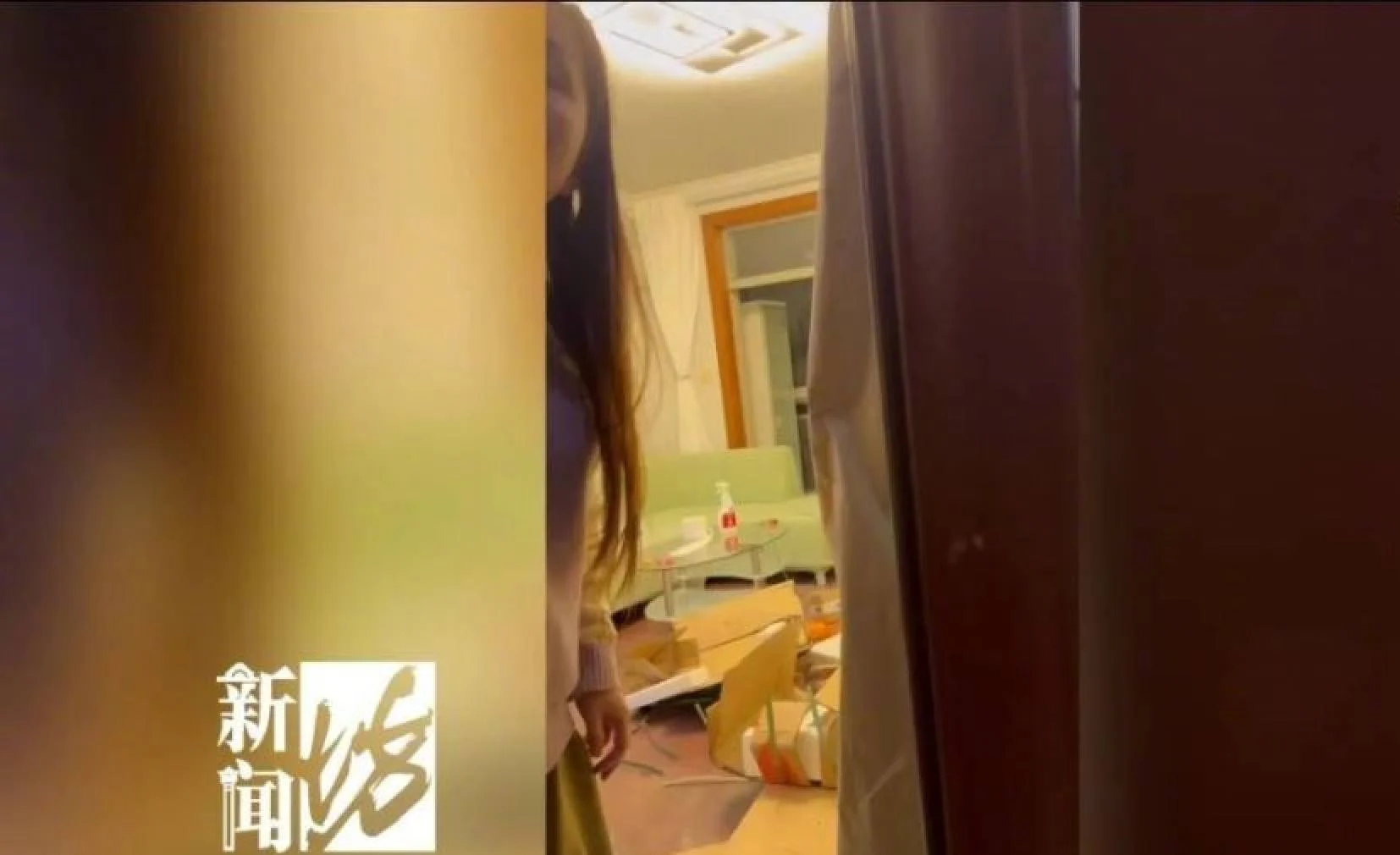

In Shanghai, a property management company’s decision to convert a deceased woman’s flat into a dormitory for its staff has sparked significant controversy and debate on mainland social media. The incident raises questions about legal and ethical practices in estate management, especially in cases where the deceased leaves no will and has no living relatives.
Residents of a Shanghai building were surprised to find their late neighbor’s home occupied by strangers, a year after her death. Upon investigation, they discovered that the property management company had illegally turned the flat into a staff dormitory. This unauthorized use of the property not only disregarded legal protocols but also disrespected the memory of the deceased.
The building’s residents, concerned about the health and safety implications of the overcrowded accommodation, lodged complaints with their neighborhood committee. Their concerns were heightened when they learned that it was the committee itself that had initially given the key to the management company for cleaning and storage purposes. Lawyer Yang Zouhua, of the Shanghai Sun Road Law Firm, stated that the company’s actions constituted illegal squatting, violating China’s Civil Code.
The incident has resonated with many in China, reflecting broader societal concerns regarding the management of properties belonging to deceased individuals without heirs. With China’s ageing population and declining marriage and birth rates, the issue of unclaimed estates is becoming increasingly prevalent. This case has prompted discussions on Weibo and other social platforms about the importance of estate planning and the responsibilities of individuals and organizations in such situations.
As China’s population over the age of 60 is expected to reach 400 million by 2040, and with a significant decline in marriages and births, the management of unclaimed properties is a growing concern. The Shanghai incident highlights the need for clear legal guidelines and ethical practices in handling such estates.
Public opinion on the matter varies, with some advocating for proactive estate planning, while others express indifference about posthumous property management. The incident has sparked a broader conversation about individual responsibility in estate planning and the societal duty to respect the deceased’s property.
The situation in Shanghai serves as a cautionary tale about the importance of proper estate management and legal adherence. It underscores the need for individuals to consider their estate plans and for organizations to act responsibly and lawfully in managing unclaimed properties. The public’s reaction to this case reflects a growing awareness and concern about these issues in modern Chinese society.
READ MORE: