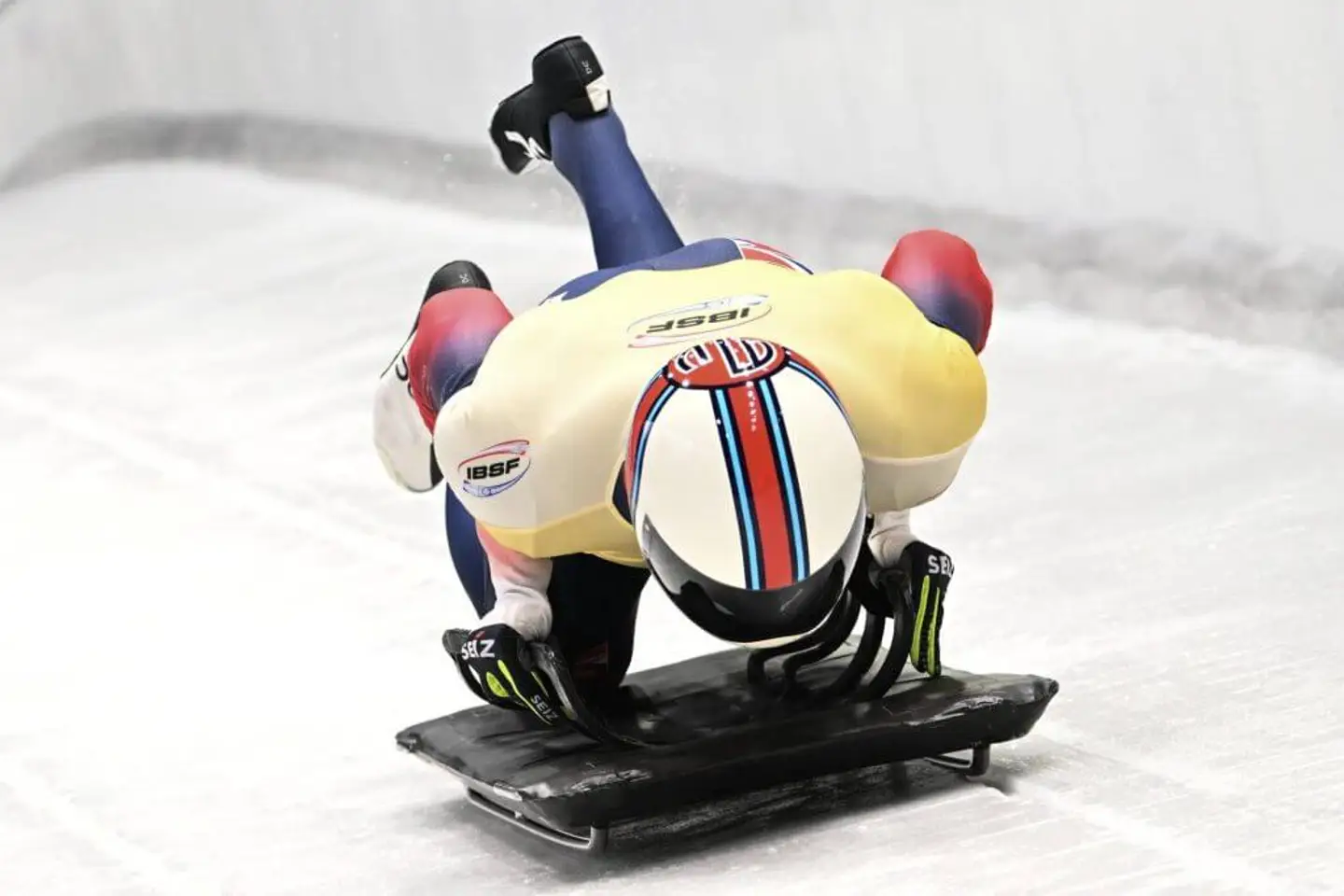

Team GB’s hopes of using a new, cutting-edge helmet design at the 2026 Winter Olympics have been dashed. The Court of Arbitration for Sport (CAS) has upheld a ban on the innovative helmets, ruling them non-compliant with the International Bobsleigh and Skeleton Federation (IBSF) rules regarding shape and aerodynamic enhancements.
The British Bobsleigh and Skeleton Association (BBSA) had appealed to CAS after the IBSF declared the new helmets illegal. The IBSF cited that the helmet’s shape, with a rear that “considerably protrudes,” departed from the standard design and was specifically engineered to boost aerodynamic performance. The BBSA argued that the helmet was designed with safety in mind and to preempt new safety regulations set to be introduced next season.
However, the CAS panel agreed with the IBSF, stating that the helmet “departs from the standard shape and reflects a novel design specifically developed to enhance aerodynamic performance where the rear considerably protrudes.” Consequently, the panel ruled the helmet did not meet the IBSF rules for the current season.
Natalie Dunman, executive performance director at the BBSA, expressed disappointment with the CAS decision. “Based on the strength of the case we put forward, naturally we are disappointed in today’s decision,” she stated. “However, this does not affect our final preparations and nor has the discourse affected the athletes’ focus or optimism going into the Games.”
Dunman emphasized that the team’s athletes have been successful throughout the Olympic cycle and the current season using their existing helmets. “Our athletes have been winning medals all season and throughout the Olympic cycle in their current helmets and we remain in a strong position to continue that trend,” she added.
Team GB’s skeleton athletes, including World Champion Matt Weston and compatriot Marcus Wyatt, have dominated the World Cup season, winning all seven races between them with their current equipment. While the new helmet was seen as a potential advantage, the team is confident in their ability to contend for medals without it.
The ruling highlights the constant push and pull between innovation and regulation in elite sports. Teams often seek marginal gains through technological advancements, especially in sports decided by fractions of a second. The significant investment by UK Sport into skeleton, amounting to nearly £6 million over the past four years, underscores the importance of performance optimization. While the new helmet will not be used, the British team’s strong performance record suggests they remain formidable contenders in the upcoming Olympic events.