
Amidst the magnificent backdrop of Mount Ararat lies a tale intertwined with Armenia’s heritage: a story of wine, legacy, and perseverance. The mountain, though currently part of modern-day Turkey, has always held a special place in the hearts of Armenians, especially their vintners.
Legend narrates that when the deluge from the Bible began to recede, Noah’s ark settled atop Mount Ararat. Afterward, Noah is believed to have descended the mountain and planted the first grapevines. This age-old tale represents more than just religious significance; it anchors Armenia’s claim to be among the earliest winemaking regions in the world.
Traveling southeast from Yerevan, Armenia’s historic capital, one is greeted by the breathtaking sight of Mount Ararat’s snow-capped peak, rising majestically over a terrain adorned with ancient monasteries and vibrant vineyards contrasting the barren red surroundings.
While the biblical account cites Noah as the first vintner, the history of Armenian wine delves deeper. At Vayots Dzor, the cradle of Armenian winemaking, archaeological sites have uncovered traces of winemaking that precede even biblical times. Here, small wineries now welcome visitors with tastings, often paired with delectable Armenian cuisine, and quaint bed-and-breakfast accommodations.
Intriguingly, contemporary wines produced in the region from the Areni grape share an uncanny genetic resemblance to 6,100-year-old wine remnants discovered in the Areni-1 cave nearby. The cave, situated amidst apricot orchards and tucked within the confines of the Noravank Canyon, offers a glimpse into prehistoric Armenia. Findings from the cave, which include fabrics, coins, and the world’s most ancient shoe, attest to the cave’s vibrant history.
However, it’s the collection of baked and unbaked clay vessels, or karases, that connects the past to the present. These vessels, which date back to the 5th century BC, were used for fermenting and storing wine. They indicate that wine, during those times, held a ceremonial role, distinct from everyday consumption.
Today, the nearby village of Yeghegnadzor, one of the few places where the Areni grape is cultivated, stands as a testament to the region’s enduring winemaking tradition. With its array of tasting rooms, it offers wine enthusiasts a sensory journey.
Armenia, during the Soviet era, was designated primarily for producing brandy and sweet wines, with its northern neighbor, Georgia, being the wine hub. But post-Soviet Armenia has witnessed a revival in its traditional winemaking. Numerous artisanal winemakers, experimenting with over 400 indigenous grape varieties, are restoring the nation’s ancient vintner reputation.
Efforts from entities like the 2492 tour company and their non-profit initiatives are instrumental in enhancing knowledge of Armenia’s enological history and promoting tourism, ensuring that benefits percolate to the local communities.
Norayr Grigoryan, a winemaker from Areni Vineyards, founded by his father in 1994 post the Soviet Union’s collapse, showcases how regional factors influence the taste and quality of wines. He explains that the mineral composition of the soil, along with innovative practices like using rocks to trap solar heat, play a pivotal role in cultivating the distinctive Areni grape.
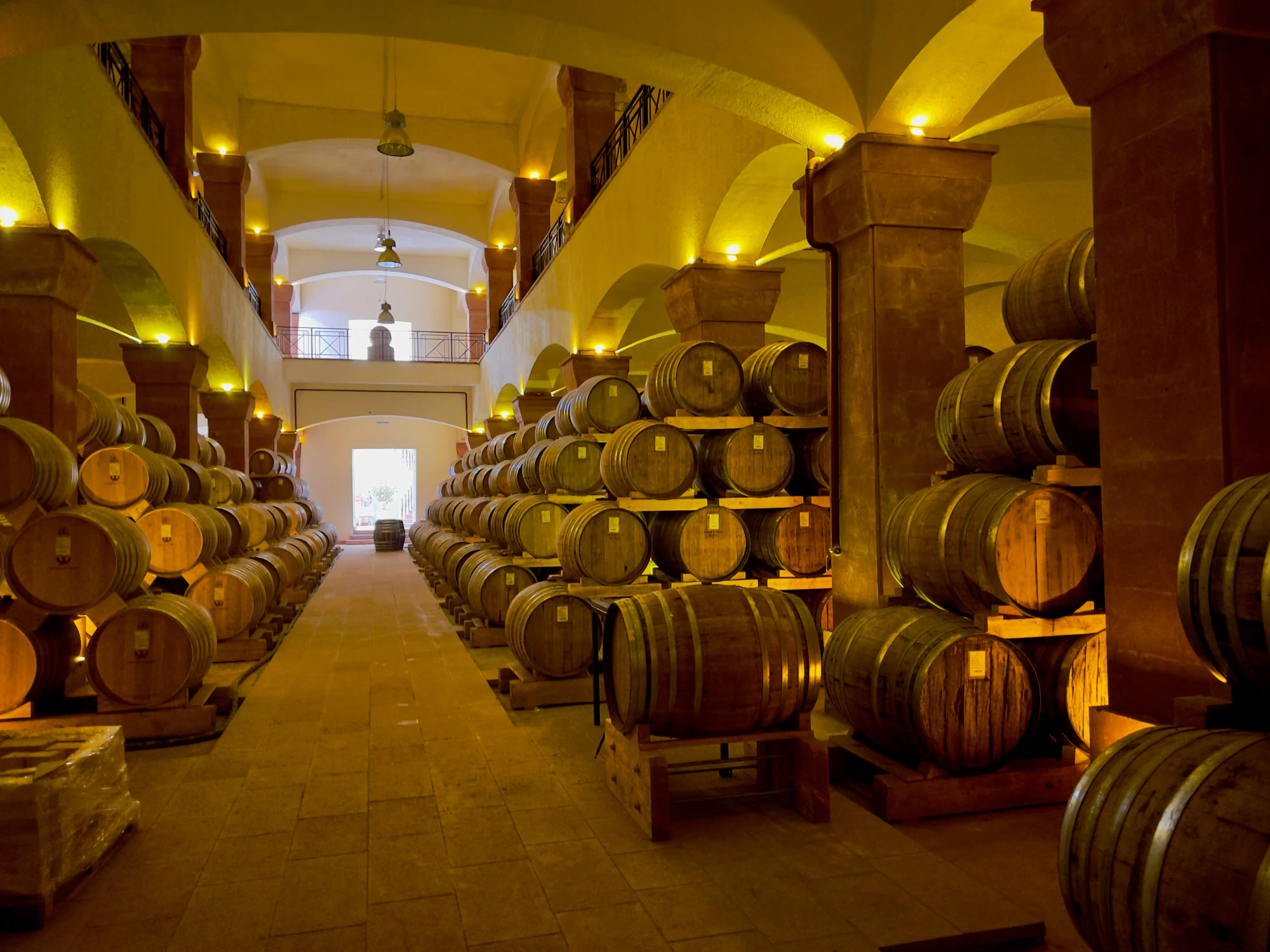
This newfound appreciation and exploration of Armenia’s wine heritage is not just limited to small-scale producers. On the outskirts of Yerevan stands the Armenia Wine Company, an epitome of modern winemaking that produces over 6.5 million bottles annually. While they uphold the essence of Armenian winemaking, they also represent its evolution, housing a museum that offers insights into the region’s rich vinicultural past.
While ancient Armenians might have exported wines using goatskins and rafts, modern Armenian wineries are yet to gain significant traction in global markets. However, for wine connoisseurs and those with a penchant for history, a journey to Armenia is a pilgrimage of flavors, stories, and legacies.
READ MORE: