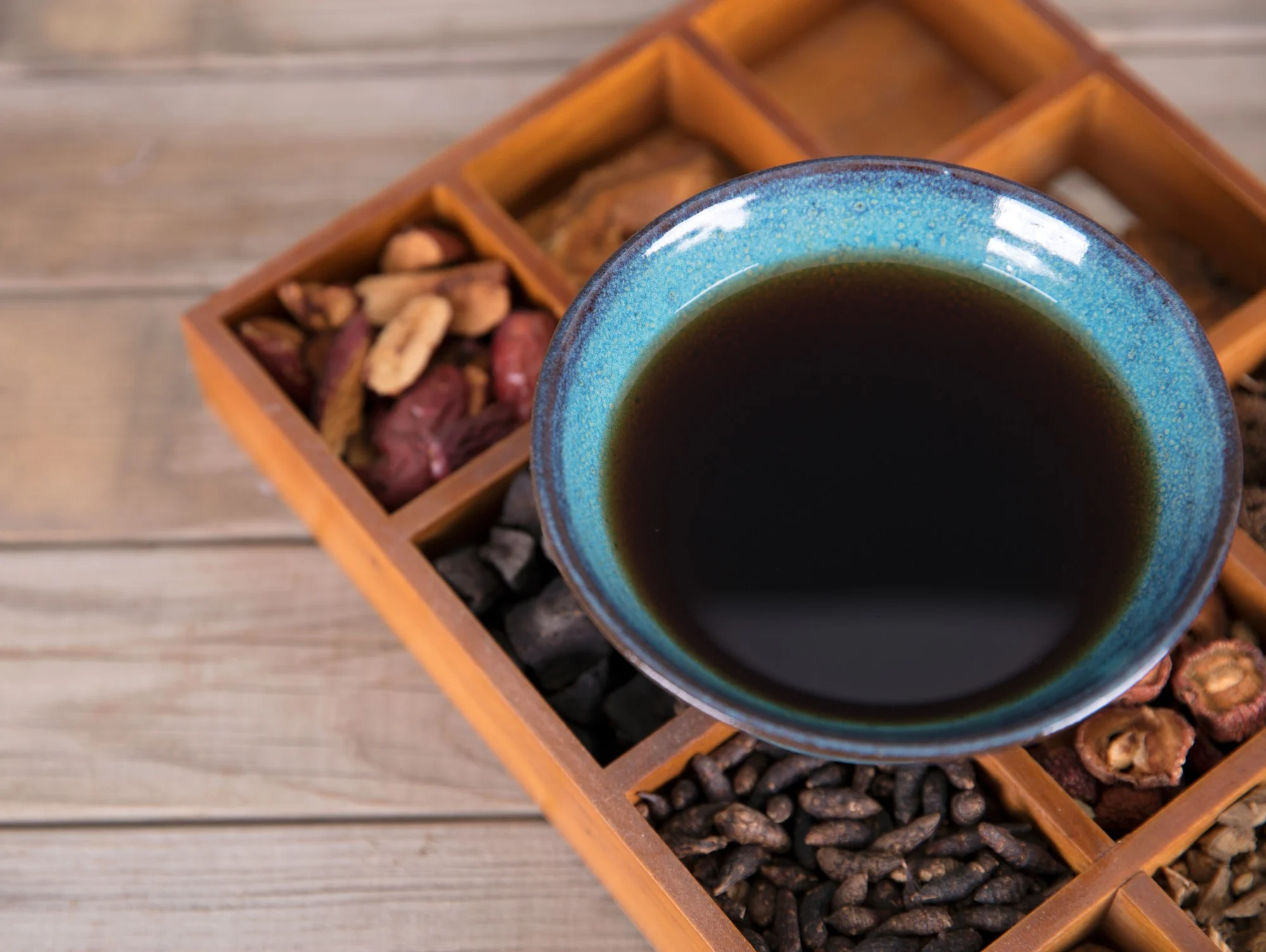

In traditional Chinese culture, an ancient belief persists that the urine of young boys, particularly those under the age of 10, holds various mystical powers. This practice, deeply rooted in historical and cultural beliefs, attributes numerous health and spiritual benefits to the urine of young boys, especially the first morning urine collected on the day before a boy turns one month old.
The tradition is grounded in the concept that young boys possess a pure form of yang energy, symbolizing masculinity and boundless vitality. This notion dates back to historical times when alchemists presented boys’ urine to emperors as “Immortal Water,” claiming it offered the secret to eternal life. Notably, the Jiajing Emperor of the Ming dynasty (1368–1644) was known to use urine in his quest for immortality. The practice even found its way into popular culture, as depicted in the 1987 Hong Kong film “Mr Vampire,” where a Taoist priest uses a boy’s urine to combat supernatural forces.
Despite the alleged benefits, there are also superstitions about potential side effects, such as the transfer of diseases from the user to the child or the belief that sharing the urine might shorten the boy’s life. Nevertheless, this tradition has endured over the centuries and is evident in various health-enhancing practices. In southern China, two famous recipes – boy’s urine eggs from Zhejiang province and boy’s urine stewed pig’s feet from Fujian province – are particularly well-known.
Boy’s urine eggs, a delicacy especially popular during the Ching Ming Festival, were recognized as an intangible cultural heritage in Zhejiang province in 2008. The belief is that these eggs can prevent lethargy in spring and heatstroke in summer. The process involves collecting urine from local schools, using it to boil eggs for two days, with families marking their eggs for identification.
The stewed pig’s feet recipe involves steaming the feet in a pot with the urine, believed to replenish yang energy, particularly beneficial for the elderly, those recovering from illness, or those feeling weak. Traditional Chinese medicine also incorporates human urine, such as ren zhong bai, a well-known medicine made from urine sediment reputed for its healing properties.
In some postpartum practices, a boy’s urine is added to soups consumed by new mothers to promote recovery by clearing heat and detoxifying the body. Sometimes, it is even used in households, sealed in plastic bags, to harness its yang energy for dispelling evil, averting misfortune, and attracting good luck.
While these practices are deeply ingrained in Chinese tradition, there is no scientific evidence supporting their efficacy. Their persistence in modern times may be partly influenced by their portrayal in Chinese films and television dramas, highlighting the cultural significance and enduring nature of these ancient beliefs.
READ MORE: