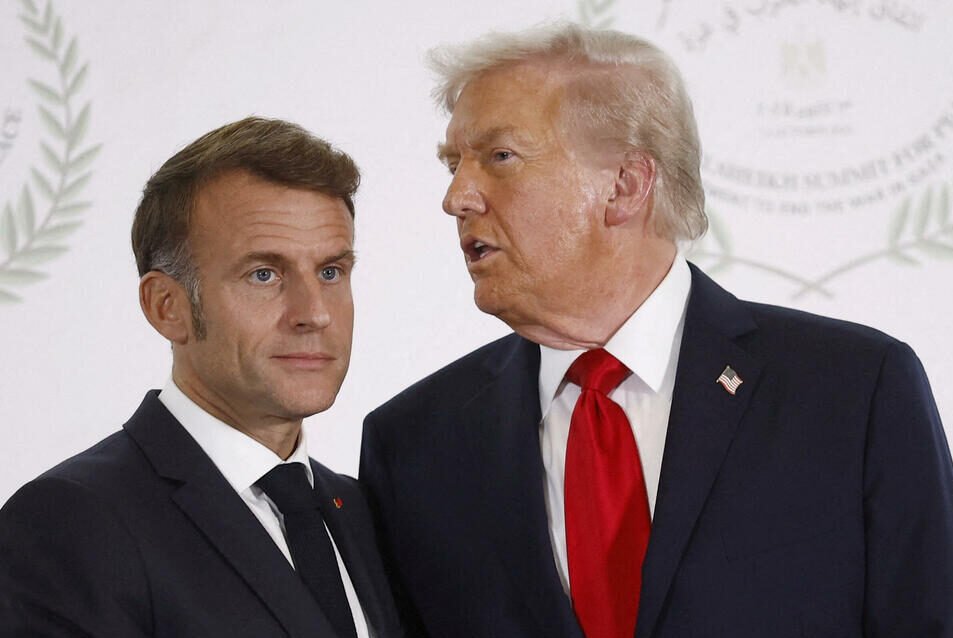

Donald Trump has ignited a new diplomatic crisis after publicly sharing private text messages from French President Emmanuel Macron on Truth Social, amid a bitter standoff over Greenland. The leaked exchange showed Macron questioning Trump’s strategy and urging a broader summit. But what stunned observers wasn’t just what was said — it was the decision to expose private leader-to-leader communication to the world.
This is more than a political stunt. It’s a breach of one of diplomacy’s most basic rules: confidentiality.
Global diplomacy runs on trust behind closed doors. Presidents and prime ministers need to speak candidly, test ideas, and negotiate without fearing that every message could be turned into public ammunition. By publishing Macron’s texts, Trump sent a blunt warning to every capital on earth: private conversations are no longer safe.
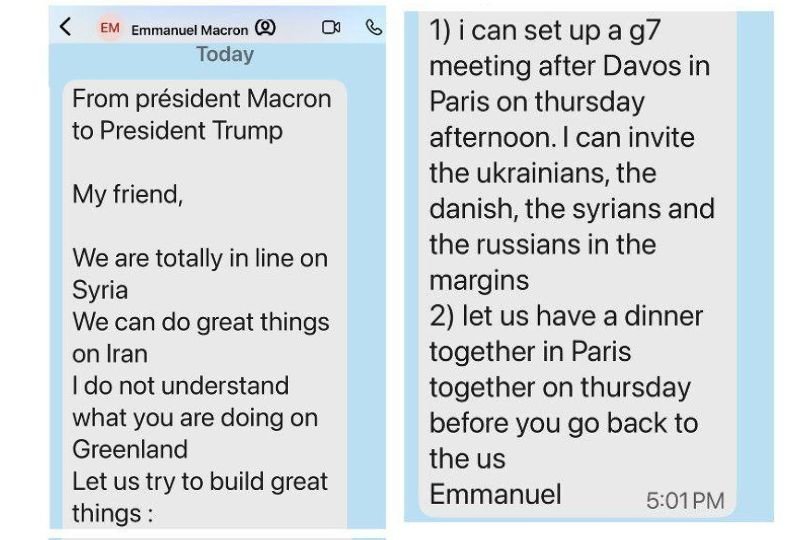
That shift has consequences far beyond France and the United States. If leaders start believing their confidential talks might be weaponised for domestic applause or political leverage, they will become more guarded, more calculated — and less willing to take risks for peace. Crisis negotiations will slow down. Backchannel agreements will weaken. Even longtime alliances may begin to operate under suspicion.
The bigger question now is whether traditional diplomacy can survive in an era where a private message can be broadcast to millions within seconds. What was once a serious breach of etiquette may be evolving into a new method of power: turning diplomacy into public theatre.
And if that becomes normal, the damage isn’t just reputational — it’s structural. The world could move from quiet negotiation to constant caution, where leaders talk less honestly, trust less easily, and compromise less often.