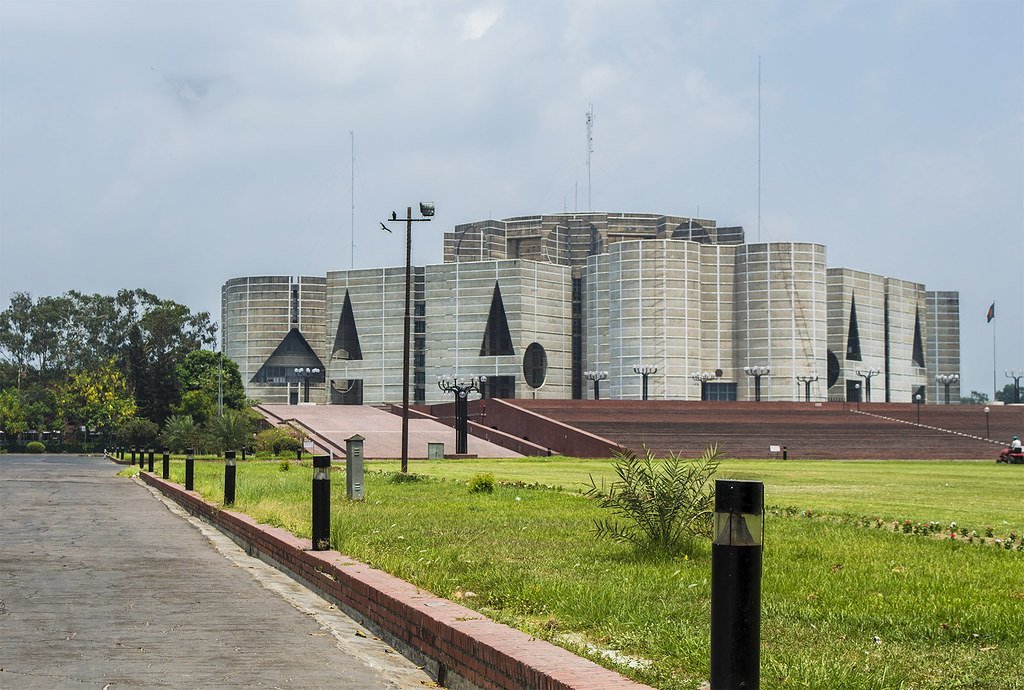

Bangladesh President Mohammed Shahabuddin resigned on Friday, ending his tenure roughly halfway through a five-year term amid years of political upheaval that reshaped the South Asian nation’s leadership.
The 76-year-old submitted his resignation letter to Parliament Speaker Hafiz Uddin Ahmad, citing medical reasons. The speaker confirmed at a news briefing later in the day that he had accepted the decision.
Shahabuddin was appointed during the rule of former Prime Minister Sheikh Hasina and was widely regarded as a trusted figure within her administration. His departure comes two years before his term was scheduled to conclude.
His resignation follows a turbulent stretch in Bangladeshi politics. Hasina stepped down and fled to India in August 2024 after a sustained anti-government movement ended her 15-year rule. An 18-month interim administration led by Nobel Peace Prize laureate Muhammad Yunus governed until elections earlier this year.
In February, a new government headed by Tarique Rahman — the son of former Prime Minister Khaleda Zia and a longtime rival of Hasina — took power following a landslide election victory.
Following Hasina’s ouster, Shahabuddin faced pressure from the student movement that led the uprising against her. Protesters characterised him as an ally of the former premier and called for his resignation and arrest. The National Citizen Party, a political group formed by leaders of that uprising, had long campaigned against him.
Local media reported that Shahabuddin faced pressure from the current government over an alleged phone conversation with Hasina during a May visit to London for medical treatment. The claim could not be independently verified.
The shifts underscore the shifting alliances that have defined Bangladesh’s political landscape over the past two years, a period that has drawn close attention across the region as neighbouring states recalibrate their strategic ties with Dhaka.
Parliament is expected to move toward selecting a successor in the coming weeks, with the process closely watched as the new administration consolidates its authority.