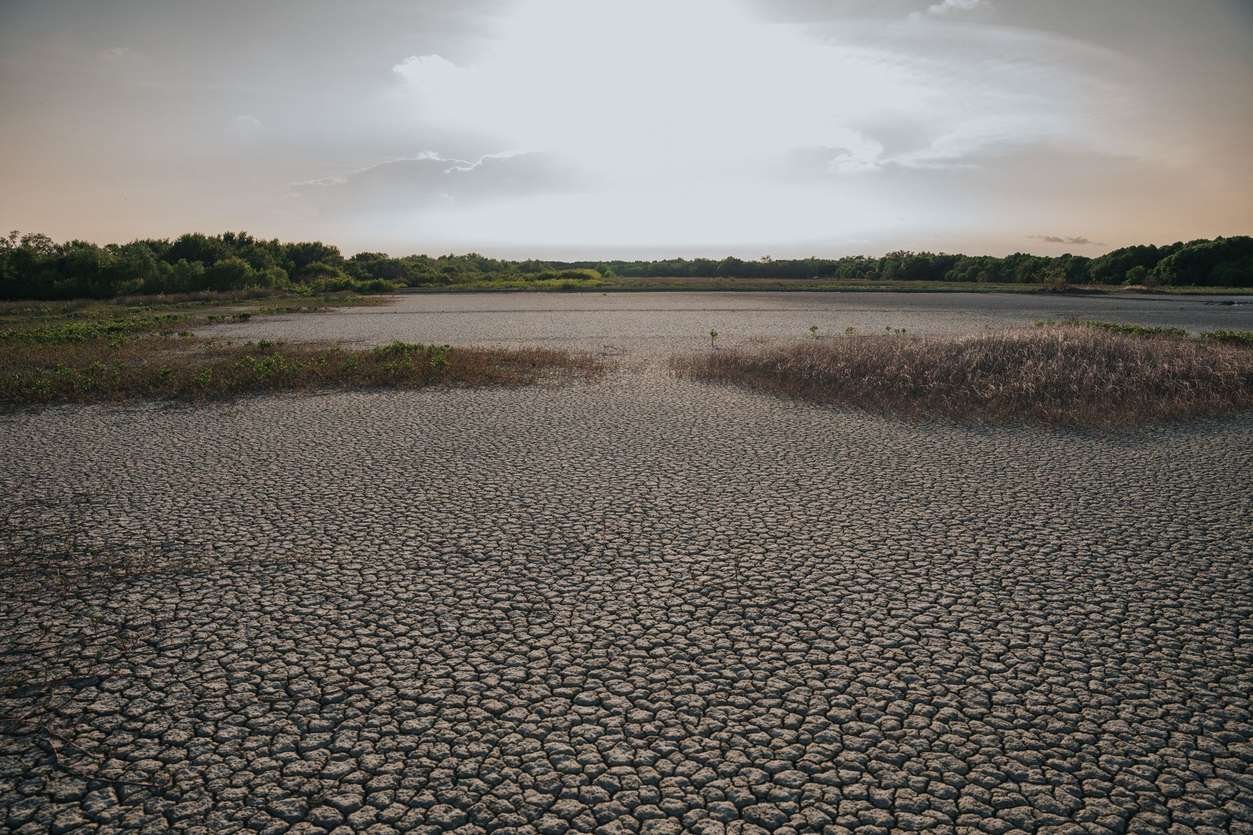

Africa faces economic losses of between $10 billion and $20 billion and the prospect of mass migration from hard-hit regions as forecasters warn that a developing ‘super’ El Niño could become one of the strongest ever recorded, the African Development Bank’s top climate official has cautioned.
The El Niño weather pattern, driven by warming surface temperatures in the Pacific Ocean, frequently unleashes severe droughts, flooding and storms across the continent. Meteorologists warn the current cycle could intensify sharply if present warming trends persist, amplifying threats to food security, water supplies and livelihoods.
“The scale of the impact could be enormous, both in economic terms and in terms of human displacement,” said Anthony Nyong, director of climate change and green growth at the African Development Bank, pointing to the risk that populations in the worst-affected areas may be forced to move.
El Niño events typically bring drier conditions to southern Africa while triggering heavier rainfall and flooding in parts of East Africa. Both extremes strain agriculture, which employs a large share of the continent’s workforce and underpins many national economies.
The projected damages reflect the compounding costs of crop failures, damaged infrastructure, disrupted trade and emergency humanitarian response. Regions already grappling with food insecurity are considered especially vulnerable to a prolonged or severe episode.
Extreme weather has already tested the continent’s resilience in recent years. Earlier flooding prompted authorities in South Africa to declare a national disaster after torrential rains overwhelmed communities and infrastructure.
The warning also underscores the growing financial dimension of climate volatility, as lenders, insurers and development institutions increasingly factor extreme weather into risk assessments and long-term planning.
Mass migration remains among the most difficult consequences to quantify. Displacement driven by drought or flooding can place additional pressure on urban centres and neighbouring countries, complicating recovery efforts and stretching public services.
Development banks and governments across the region are expected to weigh early interventions, including strengthening food reserves, supporting vulnerable farmers and reinforcing flood defences, as the weather pattern develops in the months ahead.