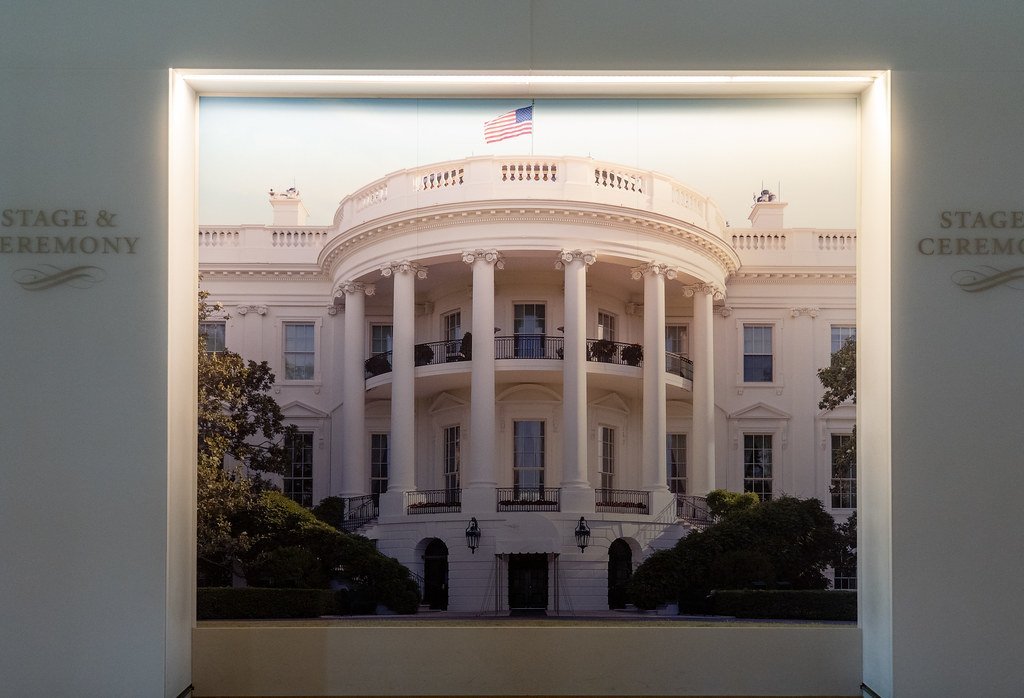

President Donald Trump’s administration asked the U.S. Supreme Court on Friday to permit continued construction of a $400 million White House ballroom while it appeals a lower court order to halt the work over the lack of congressional approval.
The solicitor general petitioned the high court to suspend last week’s ruling by a three-judge panel of the U.S. Court of Appeals for the District of Columbia Circuit. The divided panel ordered construction stopped, finding that Trump does not have the unilateral authority to build a 90,000-square-foot (8,400-square-meter) ballroom.
The disputed structure sits where the White House’s East Wing stood before Trump ordered its demolition last fall. The 2-1 decision sided with historic preservationists who sued to block the project.
The appeals court suspended its own ruling for two weeks, giving the administration time to seek Supreme Court intervention. The solicitor general asked the justices to act before the panel’s decision takes effect on Aug. 21.
“This case involves an extraordinary and unlawful injunction that will halt the ongoing construction of the integrated military complex, including a totally secure ballroom space, at the East Wing of the White House, which is vitally required by national security,” the solicitor general wrote in the filing.
The administration contends that the president, not Congress or the courts, holds authority to renovate the White House. It argues that the current state of the project — essentially an open construction site — makes it harder to protect the executive mansion.
The dispute follows an appellate ruling that paused the project pending legislative sign-off, a decision the majority grounded in the absence of congressional authorization for a structure of that scale.
The demolition of the East Wing, a portion of the White House complex that had stood for decades, drew criticism from preservation groups when work began last fall. Opponents argue that alterations of such magnitude require legislative oversight rather than executive discretion.
The Supreme Court has not indicated when it will rule on the stay request. Should the justices decline to intervene before Aug. 21, construction would be required to halt while the underlying appeal proceeds.