
US President Donald Trump has said he is close to deciding whether to launch what he described as a “massive attack” against Iran, escalating a months-long conflict that has increasingly drawn in the wider Gulf region and rattled global oil markets.
Speaking to the Axios news site, Trump said: “I am considering a massive attack. Bigger than ever before. I am close to making a decision. We are all set for it.” The remarks signal a potential expansion beyond the strikes already exchanged during the ongoing hostilities with Tehran.
The threat follows a day of intensifying Iranian attacks across the Gulf. Al Jazeera reported that Iran launched assaults targeting Bahrain, Kuwait and Jordan, widening the geographic scope of the conflict. The escalation has also reached shipping lanes, with Houthi strikes on Saudi tankers in the Red Sea pushing oil prices past $100 a barrel once again.
Trump earlier issued a separate warning on his Truth Social platform, stating that any Iranian attack on a ship in the Strait of Hormuz would be met with a targeted US response. “From this point forward, any time the Islamic Republic of Iran shoots at a ship in the Strait of Hormuz, whether it be by Missile, Rocket, Drone, or any other device or weapon, the United States will bomb and destroy ONE BRIDGE OR POWER PLANT, including those located next to, or in, the Capital City of Tehran,” Trump wrote.
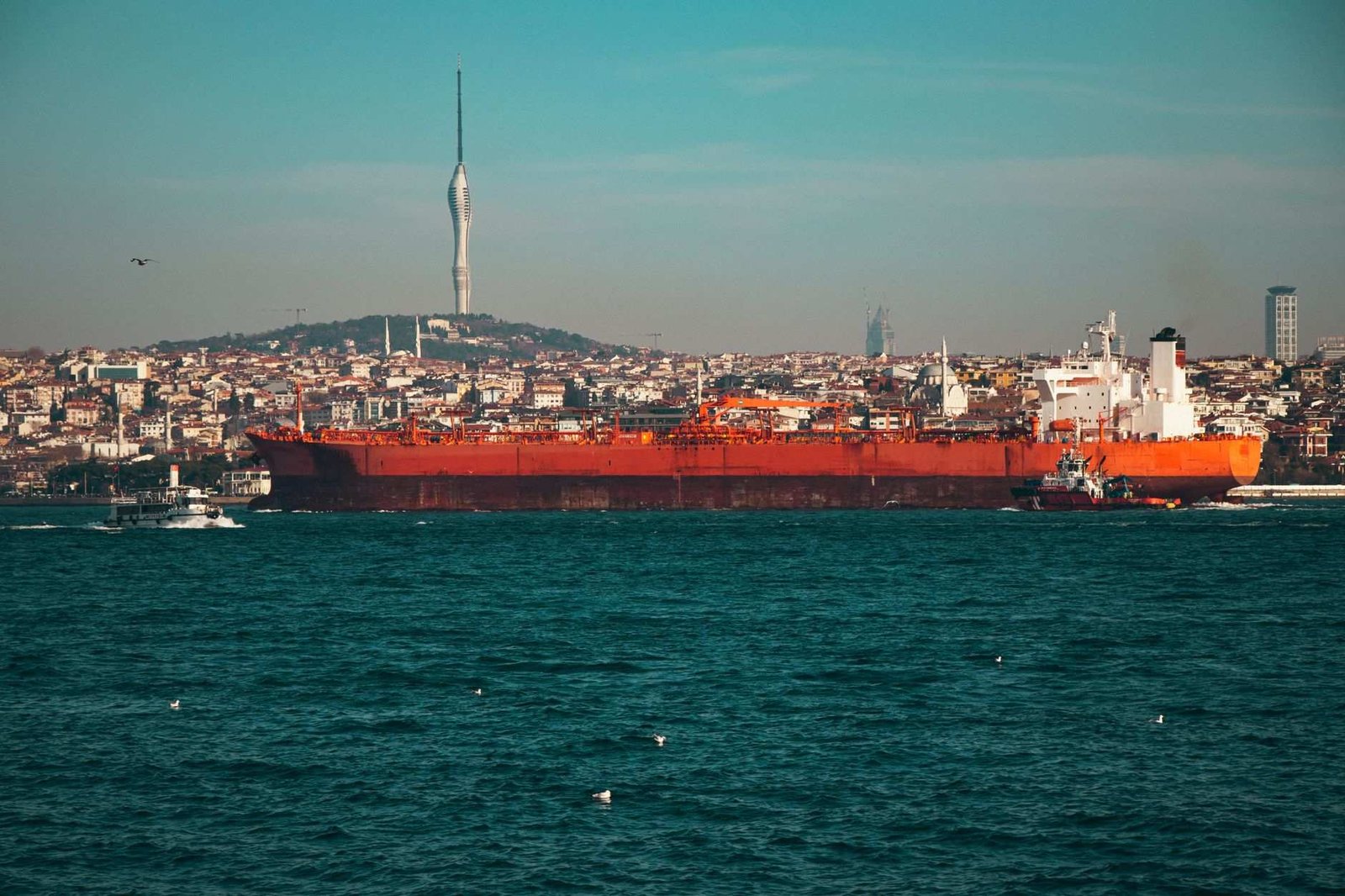
According to The Guardian, Iran’s Revolutionary Guard subsequently said it had stopped three oil tankers from passing through the Strait of Hormuz, a critical chokepoint through which a substantial share of the world’s seaborne oil passes. The developments have heightened concerns over the security of energy supplies transiting the region.
The rising tensions prompted a stark warning from the United Nations. Secretary General António Guterres told the UN Security Council that the Middle East was being pushed to the “edge of the unimaginable,” describing the situation as “getting out of control” amid the latest threats and fears of a broader escalation spiral.
The conflict between Washington and Tehran has stretched over several months, with intermittent strikes and diplomatic efforts to reach a nuclear agreement. Iran has not publicly responded in detail to Trump’s latest threats, and the timing of any potential US action remains unclear.
The situation continues to develop, with markets, regional governments and international bodies watching for whether Trump follows through on his stated deliberations and how Tehran may respond.