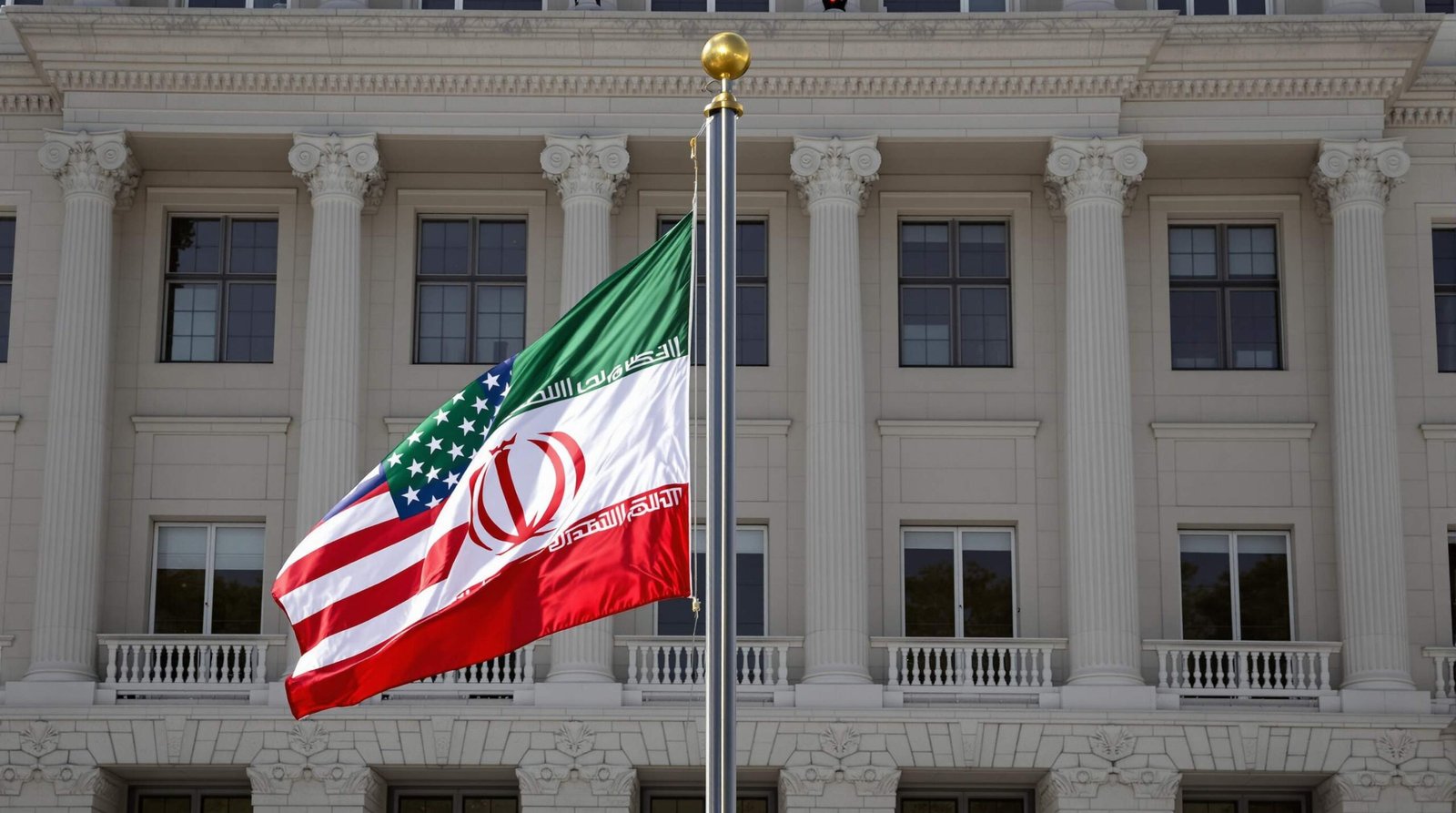

The United States has completed a 13th consecutive night of military strikes against Iran, deepening a confrontation that has rattled global energy markets and raised fears of a wider conflict across the Gulf.
The US military confirmed the latest round of attacks, while Iranian officials warned that continued strikes could trigger further escalation in the strategically vital region. Tension has centred on the Strait of Hormuz, a critical chokepoint through which a significant share of the world’s oil supply passes.
The number of tanker crossings through the strait dropped to its lowest level in two months on Thursday, underscoring the disruption to maritime traffic. Yemen’s Houthi movement, aligned with Tehran, has meanwhile allowed Chinese vessels to pass through contested waters, highlighting the shifting dynamics along one of the world’s busiest shipping corridors.
The exchange of strikes has intensified diplomatic friction. US President Donald Trump said damages resulting from the conflict would be covered by Iranian money that Washington holds “in its possession, and controls,” a reference to frozen Iranian assets.
Tehran condemned the proposal as “incendiary,” rejecting any use of its blocked funds to finance what it characterises as unlawful American military action. The dispute over the frozen assets has become a new flashpoint layered atop the ongoing military exchanges.
The current escalation follows months of mounting hostilities. Earlier this year, coordinated strikes on Iranian targets sent shockwaves through international markets, and Beijing has repeatedly called for restraint amid the rising tensions in the Gulf.
China, a major importer of Middle Eastern crude, has a significant stake in the stability of the region’s shipping lanes. The passage of Chinese vessels through Houthi-controlled waters points to the complex web of alliances and interests shaping the crisis.
Energy analysts have warned that sustained disruption to the Strait of Hormuz could send oil prices higher and strain global supply chains, though prices have so far reflected caution rather than panic.
Both sides have signalled they are prepared to continue their respective campaigns, with little indication of an imminent diplomatic breakthrough. Iran has framed its warnings around the risk of a broader regional conflagration, while Washington has maintained its posture of pressure.
The coming days are expected to prove pivotal, as international actors weigh whether to push for de-escalation or brace for a prolonged standoff in one of the world’s most sensitive maritime and energy corridors.