
The United States and Saudi Arabia carried out coordinated air strikes on Iran-aligned armed groups in Iraq on Wednesday, marking a significant escalation in regional tensions that pushed global oil prices higher on fears of wider conflict.
Riyadh confirmed that its forces conducted the targeted strikes in coordination with the US military, framing the operation as a joint response to groups it described as aligned with Tehran. The strikes represent one of the most direct instances of Saudi-American military cooperation on Iraqi soil in recent years.
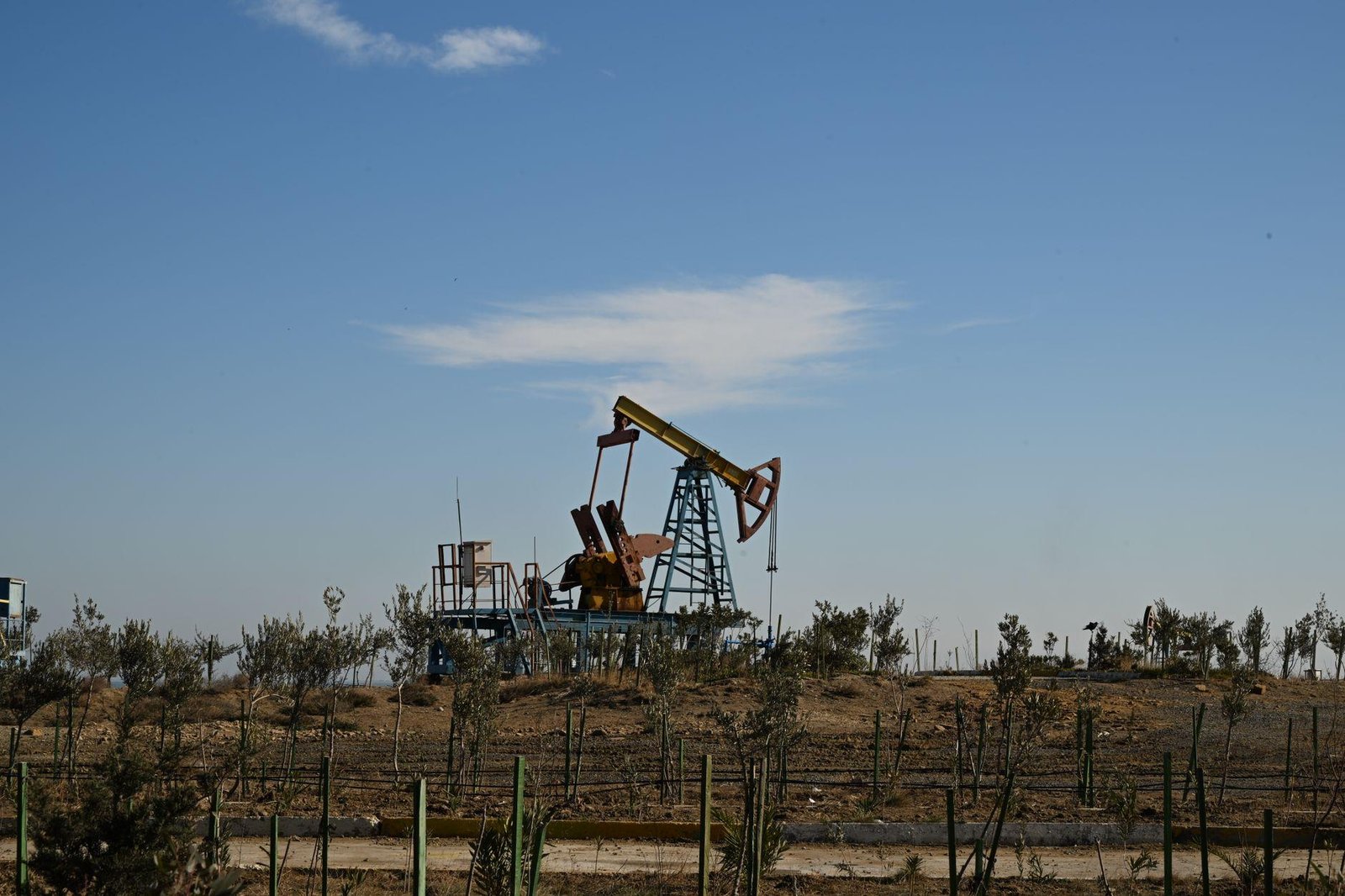
Oil markets reacted swiftly to the news. Front-month contracts for both West Texas Intermediate and Brent crude climbed as traders priced in the risk of prolonged fighting and potential disruptions to supply across the energy-rich region.
The strikes come amid a period of heightened confrontation between the United States and Iran, and follow a wave of exchanges involving Iran-aligned forces across the Middle East. Washington has intensified military pressure on Tehran and its regional partners in recent weeks, while Gulf states have warned of the risks of further escalation.
Iraq has long been a flashpoint for competition between US and Iranian influence, hosting armed factions with ties to Tehran alongside a continued American military presence. Strikes targeting such groups carry the risk of drawing Baghdad’s government into a widening standoff.
The latest operation adds to a series of recent developments in the region, including reported strikes between Saudi Arabia and Houthi forces in Yemen that have contributed to volatility in energy markets and shipping lanes. Earlier this month, attacks on Saudi tankers briefly pushed crude past $100 a barrel, underscoring how quickly regional flare-ups translate into market shocks.
Analysts have cautioned that sustained military activity in Iraq could keep upward pressure on prices, particularly if Iran-aligned groups retaliate or if oil infrastructure is threatened.
The scope and duration of the coordinated campaign remain unclear, and neither Washington nor Riyadh has detailed the full extent of the targets struck. Regional governments and international observers are watching closely for signs of a broader confrontation as tensions across the Gulf continue to mount.