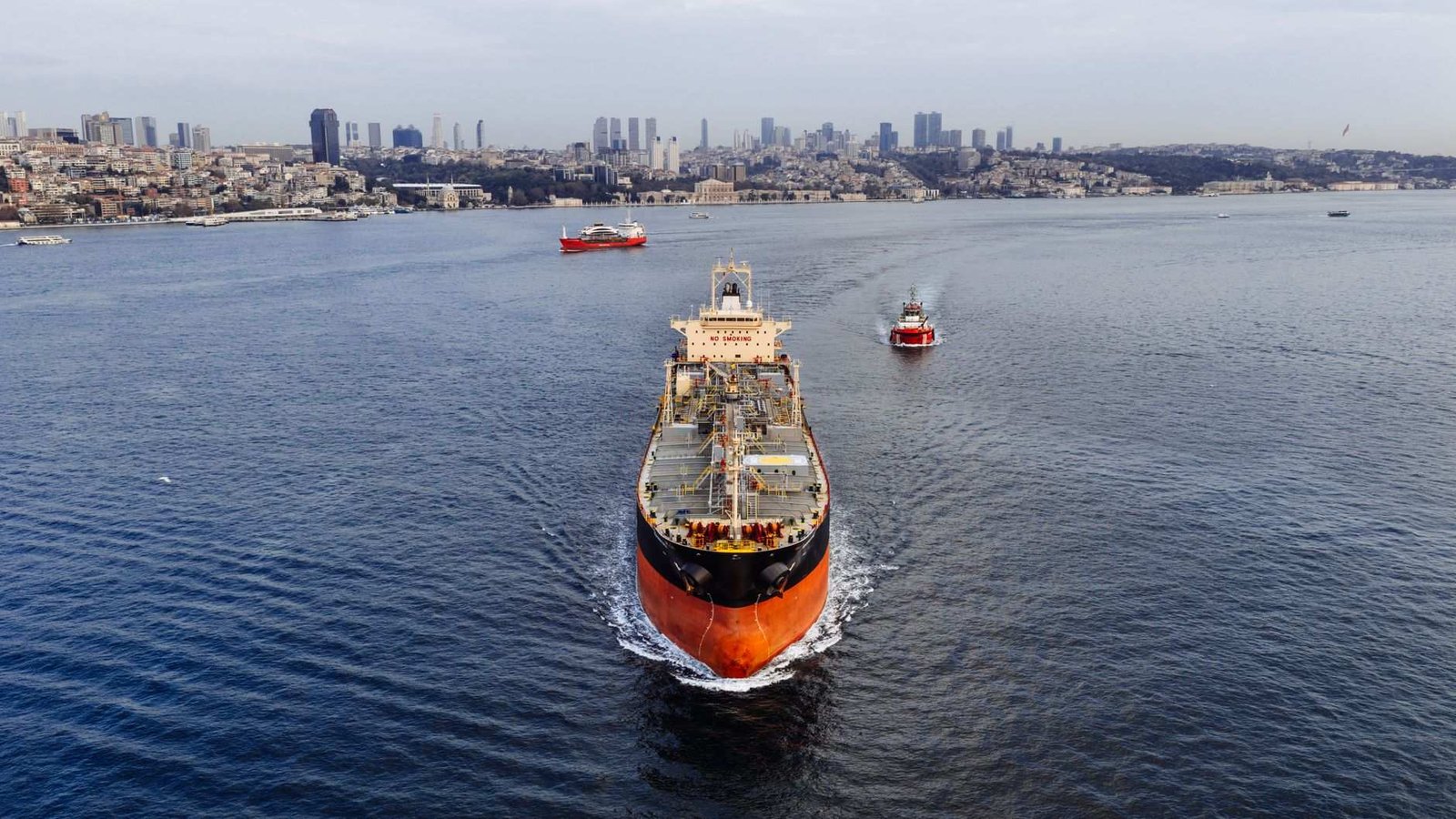

Crude oil prices rose sharply as uncertainty deepened over the reopening of the Strait of Hormuz, with Tehran demanding an end to a US naval blockade before it permits the resumption of full traffic through the vital waterway.
The Islamic Revolutionary Guard Corps has laid out conditions for restoring passage through the strait, which handles roughly a fifth of global oil shipments. Washington, meanwhile, is pressing for guarantees that attacks on commercial vessels transiting the channel will cease.
The standoff has left energy markets on edge, with traders pricing in the risk that a prolonged disruption could squeeze global supply. The Strait of Hormuz remains one of the most critical chokepoints for the world’s oil trade, linking Gulf producers to markets in Asia, Europe and beyond.
The current impasse follows months of escalating friction. Earlier in the year, tensions surged after the collapse of peace talks led to a US naval blockade, disrupting shipping and sending shockwaves through commodity markets.
Mediation efforts have since sought to break the deadlock. Regional intermediaries have reported intermittent progress, though a durable arrangement has yet to materialize. The latest demands from Tehran underscore how far apart the two sides remain on the terms of any de-escalation.
For energy markets, the geopolitical premium attached to crude has widened as the situation remains unresolved. Analysts have noted that any confirmation of a reopening would likely ease prices, while a continued standoff risks further volatility.
The dispute carries significant implications for major oil importers, particularly across Asia, where economies depend heavily on uninterrupted Gulf shipments. A sustained closure would ripple through refining and shipping costs worldwide.
This development comes as both sides weigh the economic and strategic costs of a prolonged confrontation. Washington’s demand for security commitments and Tehran’s insistence on lifting the blockade have created a diplomatic knot that mediators are still working to untangle.
The coming days are expected to prove decisive, with markets closely watching for any signal that traffic through the strait may resume. Until then, the uncertainty is likely to keep crude prices elevated and Gulf shipping under strain.