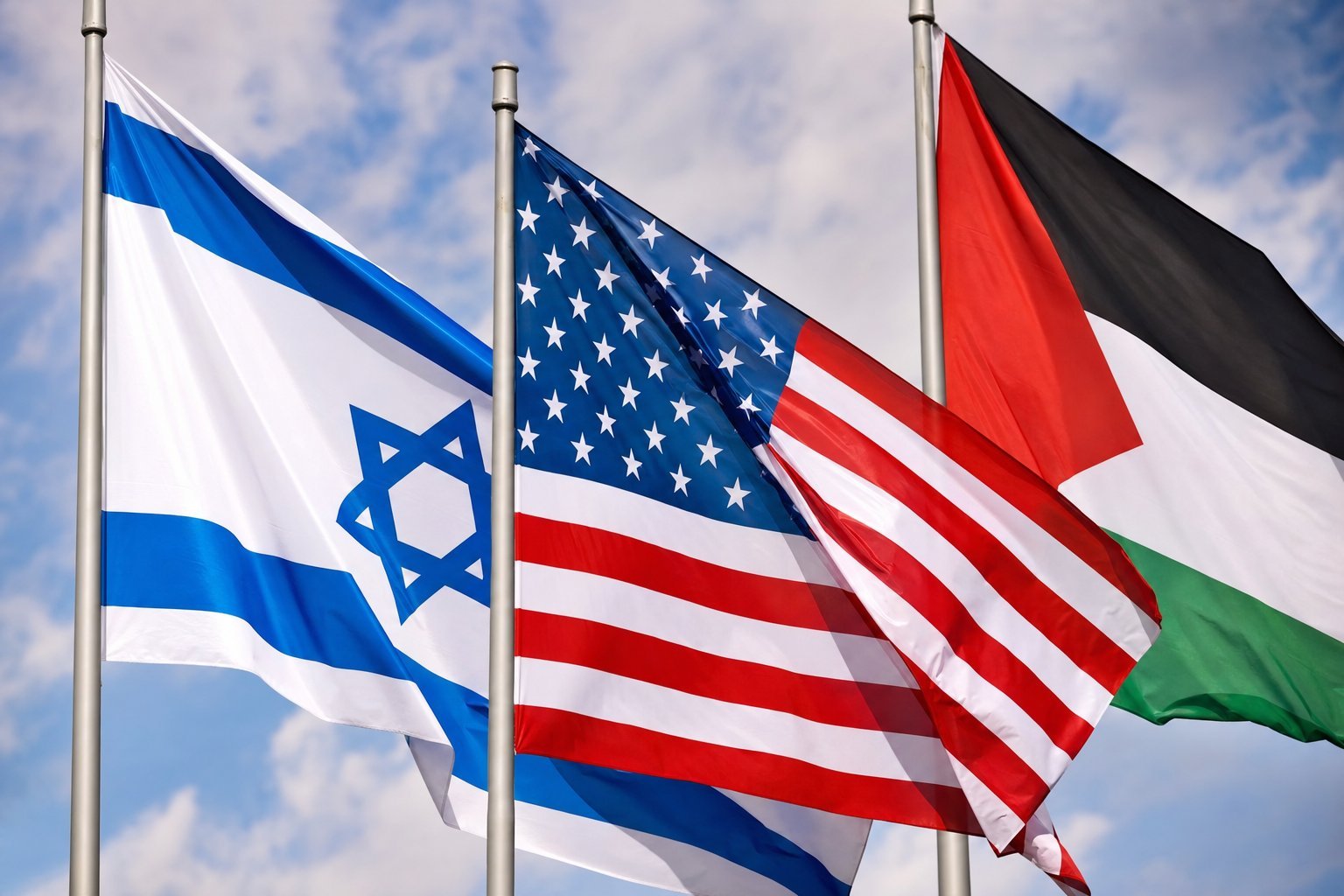

Israeli Prime Minister Benjamin Netanyahu on Sunday rejected a United States-led 15-point plan for Gaza that had been endorsed by Hamas and hailed by President Donald Trump, marking a significant rift between the two allies as Israel heads toward closely contested elections.
The plan, which Trump has promoted as a framework to end the war, called for a phased Israeli military withdrawal from Gaza. Netanyahu opposed the deal after weeks of escalating criticism and mounting pressure from his right-wing coalition partners.
“The Israeli military will not carry out any withdrawal until Hamas is genuinely disarmed and will continue to thwart threats against our forces and our citizens,” Netanyahu said at a cabinet meeting.
The rejection came despite reported assurances that Israel would not need to begin withdrawing its forces from Gaza immediately. It underscores the difficult position Netanyahu occupies, caught between far-right ministers angered by concessions and a US president pushing for tangible progress toward ending the conflict.
The move follows earlier signals that a broader agreement was within reach, after Trump had announced a deal for Hamas to disarm as Israel prepared a phased withdrawal. The latest break suggests those terms remain far from settled.
Hamas responded by calling on Washington to hold Israel to the agreement. “We expect the mediators and the American guarantor to pressure Netanyahu and his government to adhere to the roadmap and not obstruct the process for internal political and electoral reasons,” said Bassem Naim, a member of the group’s political bureau.
Palestinian officials characterised the rejection as expected. Analysts note that Netanyahu’s stance aligns with the demands of coalition allies whose support he needs to remain in power ahead of the vote.
The impasse leaves the future of the ceasefire framework uncertain. The central sticking point remains the sequencing of disarmament and withdrawal, with Israel insisting on “genuine” disarmament of Hamas as a precondition and Hamas tying its concessions to Israeli steps.
The diplomatic standoff unfolded against a backdrop of wider regional tension. On the same day, Iran-backed Houthi forces in Yemen said they had struck a Saudi Aramco refinery in Jazan on the Red Sea coast with a drone, while separate attacks were reported to have killed several troops aligned with Yemen’s internationally recognised government and wounded around 20 more.
The rejection represents a notable public divergence between Netanyahu and Trump, whose administration had positioned the plan as a centrepiece of its Middle East diplomacy. It remains unclear whether US mediators will apply additional pressure or revise the framework to bridge the gap.
For now, the war continues without a clear path to resolution, with each side placing responsibility on the other and regional flashpoints threatening to widen the conflict in the weeks ahead.