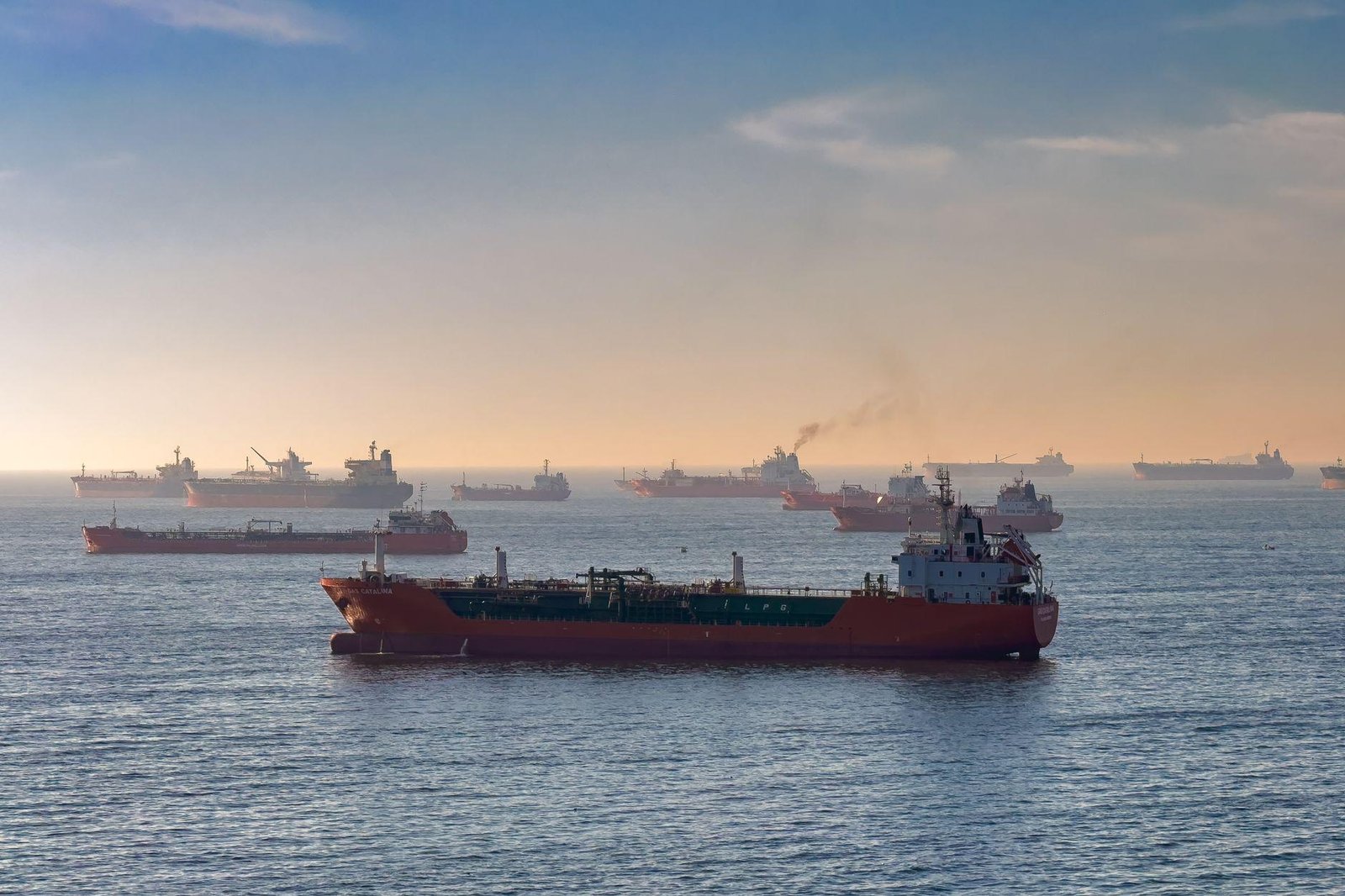

U.S. President Donald Trump declared that the Strait of Hormuz has reopened to shipping and announced he would pursue compensation from Iran for casualties sustained during the conflict, signaling a hardened stance even as markets weighed the durability of any de-escalation.
The waterway, through which roughly a fifth of the world’s oil supply passes, had been a central flashpoint in the standoff, with fears of a prolonged closure driving weeks of volatility across energy and equity markets. Trump’s assertion that traffic has resumed would mark a significant milestone if confirmed by shippers and independent monitors.
“We will seek compensation from Iran,” Trump stated, framing the demand as accountability for lives lost during the war. The comments represent a notable shift from earlier signals that Washington was primarily focused on brokering a negotiated reopening of the strait rather than pressing punitive claims.
Financial markets responded cautiously. U.S. stock futures held steady in early trading as investors balanced signs of progress toward normalizing shipping against persistent doubts that the United States and Iran can reach a broader resolution to the underlying conflict.
The reopening of the strait, if sustained, would ease one of the most acute pressures weighing on global oil prices in recent weeks. Earlier in the standoff, Tehran had warned that the corridor could remain shut, sending crude higher and rattling equities. Traders remain wary that renewed tensions could quickly reverse any relief.
Analysts suggest the demand for compensation could complicate diplomatic efforts, introducing a new point of friction just as both sides appeared to be edging toward a fragile understanding on maritime access. The path from a temporary reopening to a lasting agreement remains uncertain.
The developments follow a turbulent stretch for global markets, which had swung sharply on each new signal from Washington and Tehran. Investors have closely tracked whether indications that a Hormuz arrangement could be reached within days would hold or unravel amid competing warnings.
For now, the immediate market reaction has been muted, reflecting a wait-and-see posture. Confirmation of unimpeded traffic through the strait, along with clarity on how Iran responds to the compensation demand, is likely to shape the next phase of both the diplomatic and financial outlook.