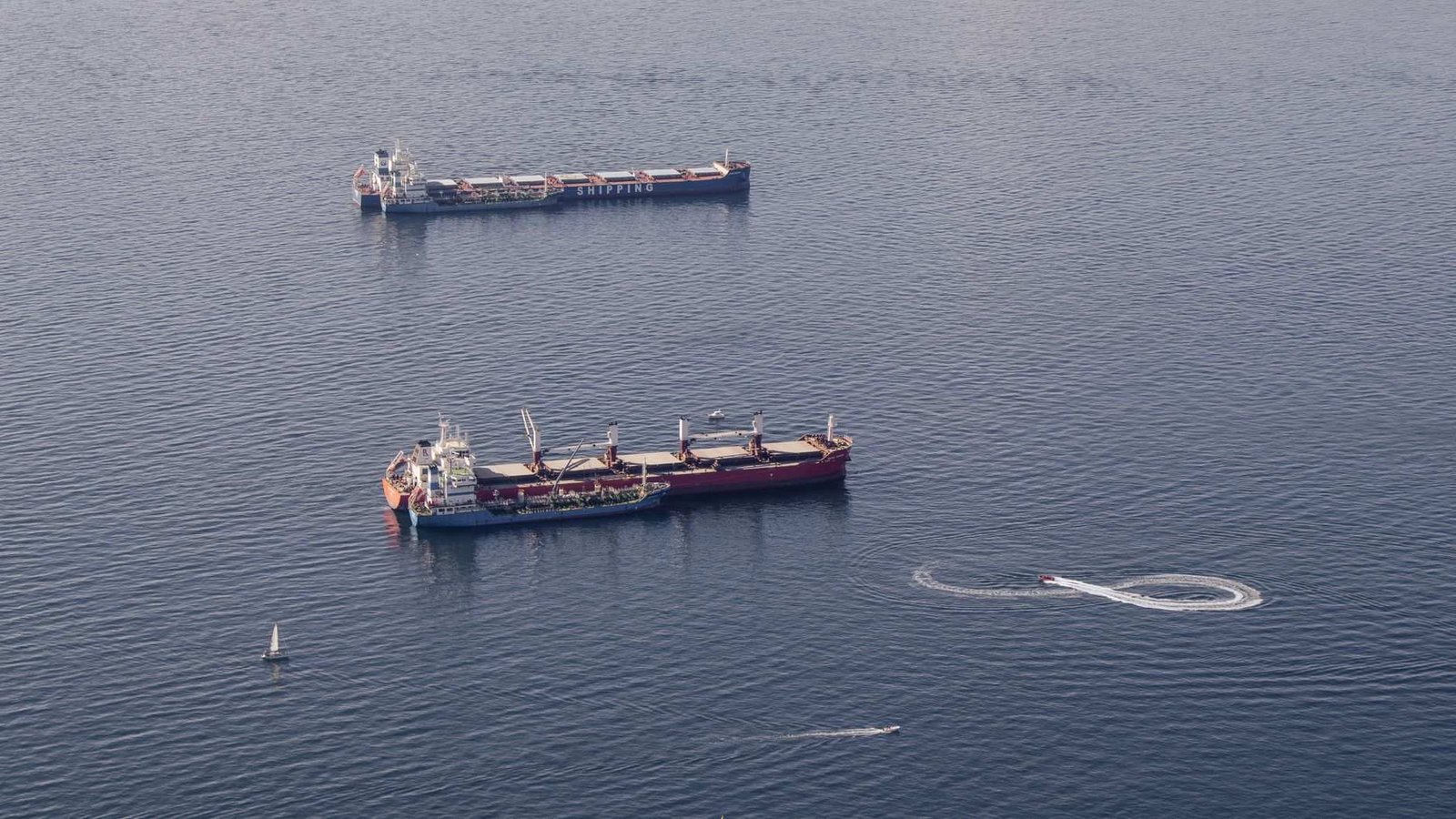

Iran has declared full control over the Strait of Hormuz, directly rejecting United States assertions of dominance over the strategic waterway as diplomatic efforts to break a prolonged standoff remain deadlocked.
The competing claims underscore the depth of a crisis that has kept one of the world’s most vital shipping corridors on edge, with mediators struggling to bring Washington and Tehran back to substantive negotiations.
Roughly a fifth of the world’s oil supply moves through the narrow passage, making any disruption a direct threat to global energy markets. Analysts warn that a sustained impasse could push crude prices toward $120 a barrel, a level that would ripple across the world economy.
Tehran’s leadership framed its position as a matter of sovereignty, insisting that the waterway falls squarely within its jurisdiction and dismissing statements from President Donald Trump characterizing American naval superiority in the region.
The dispute is the latest flashpoint in a confrontation that has steadily escalated over the past year, moving from appeals to allies to help secure the corridor to naval deployments and the eventual collapse of earlier peace talks.
Efforts by regional mediators to coax the two sides back to the table have so far yielded little. Both governments have offered conflicting accounts of the state of negotiations, deepening uncertainty over whether a diplomatic path remains viable.
Shipping through the strait has grown increasingly precarious, with vessels facing heightened insurance costs and rerouting pressures. The prospect of a full closure, which Iran has previously threatened, continues to hang over energy traders.
Market observers note that even short-lived interruptions to Hormuz traffic can trigger sharp price spikes, given the limited alternatives for moving Gulf crude to global markets.
Despite these pressures, neither side has signaled a willingness to make significant concessions, leaving the standoff in a fragile holding pattern.
Attention now turns to whether mediators can secure even a preliminary framework for talks, with the trajectory of global oil prices likely to hinge on the outcome in the weeks ahead.