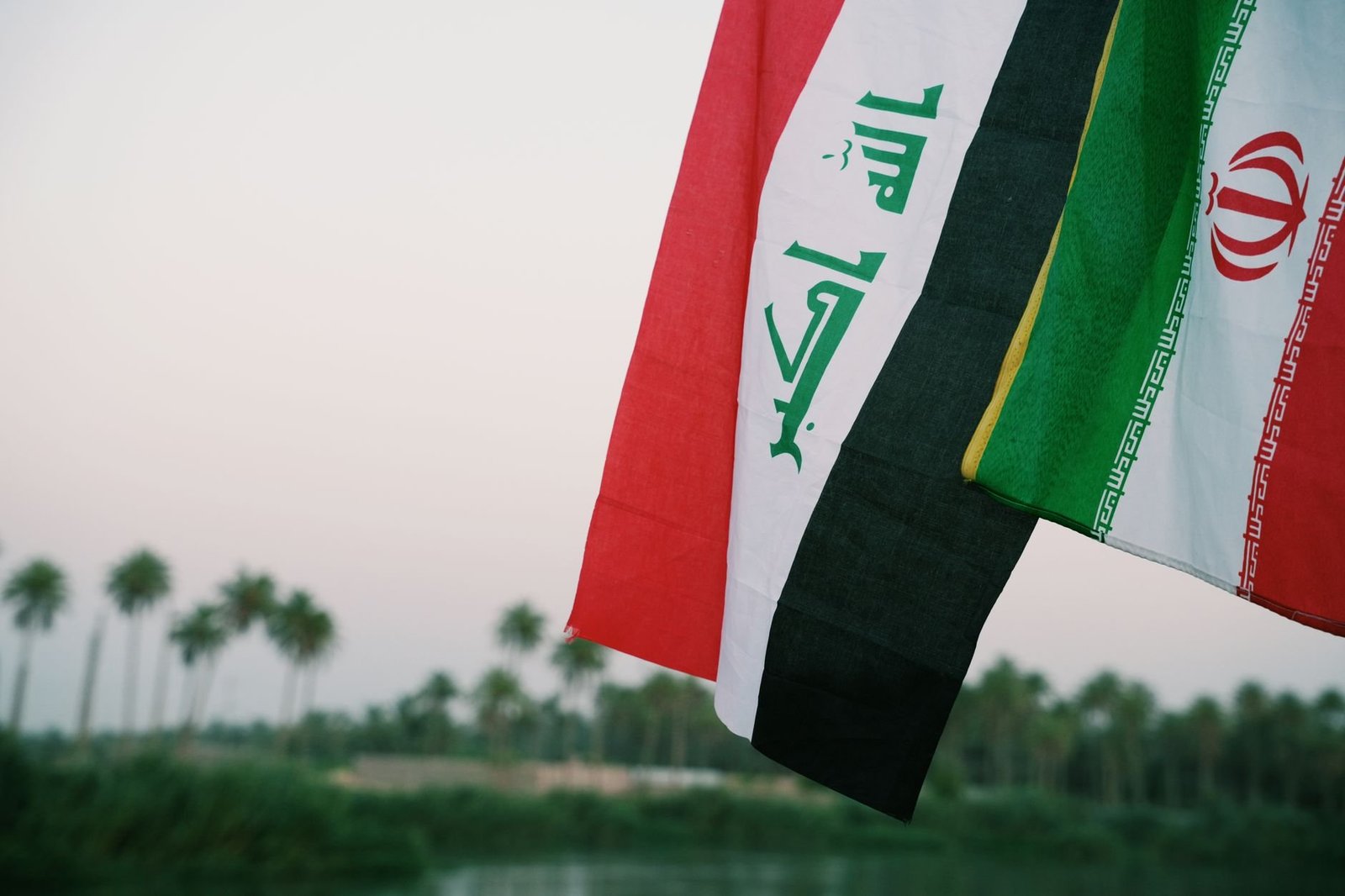

Iran and Oman opened talks on Tuesday over a proposal to create a jointly managed shipping route through the Strait of Hormuz, alongside a plan to clear mines from the vital waterway that carries roughly a fifth of the world’s oil supply.
Oman’s foreign minister voiced hope that the two governments would soon announce a temporary transit corridor, describing the discussions as advanced. The narrow channel between Iran and the Arabian Peninsula has seen traffic disrupted for months, leaving shipowners and crews weighing whether passage is safe.
The strait, at its narrowest point about 33 kilometres wide, is the only sea route linking Gulf oil producers to global markets. Any interruption there ripples quickly through crude prices and insurance costs, affecting fuel bills far from the region.
A jointly overseen lane would give commercial vessels a defined passage under shared supervision, potentially easing the uncertainty that has kept some operators away. The accompanying mine-clearing mission points to hazards that have accumulated during earlier periods of heightened confrontation along the channel.
The proposals build on earlier mediation efforts to reopen the waterway, in which Oman has taken a steady role as a regional intermediary. Muscat maintains working ties with Tehran while keeping close relations with Gulf neighbours and Western partners, a position that has let it host sensitive negotiations before.
For traders, insurers, and the crews who work the tankers, a functioning corridor could lower the risk premiums that have pushed shipping costs higher and pared back the volume of vessels willing to make the transit.
Both governments stopped short of confirming a firm timeline or the technical terms that would govern such a route. Details on how the lane would be monitored, and who would carry out the mine clearance, were not disclosed after Tuesday’s discussions.
If the corridor is finalised, it would offer a measure of predictability to one of the most closely watched chokepoints in global energy trade, where even brief closures move markets worldwide.