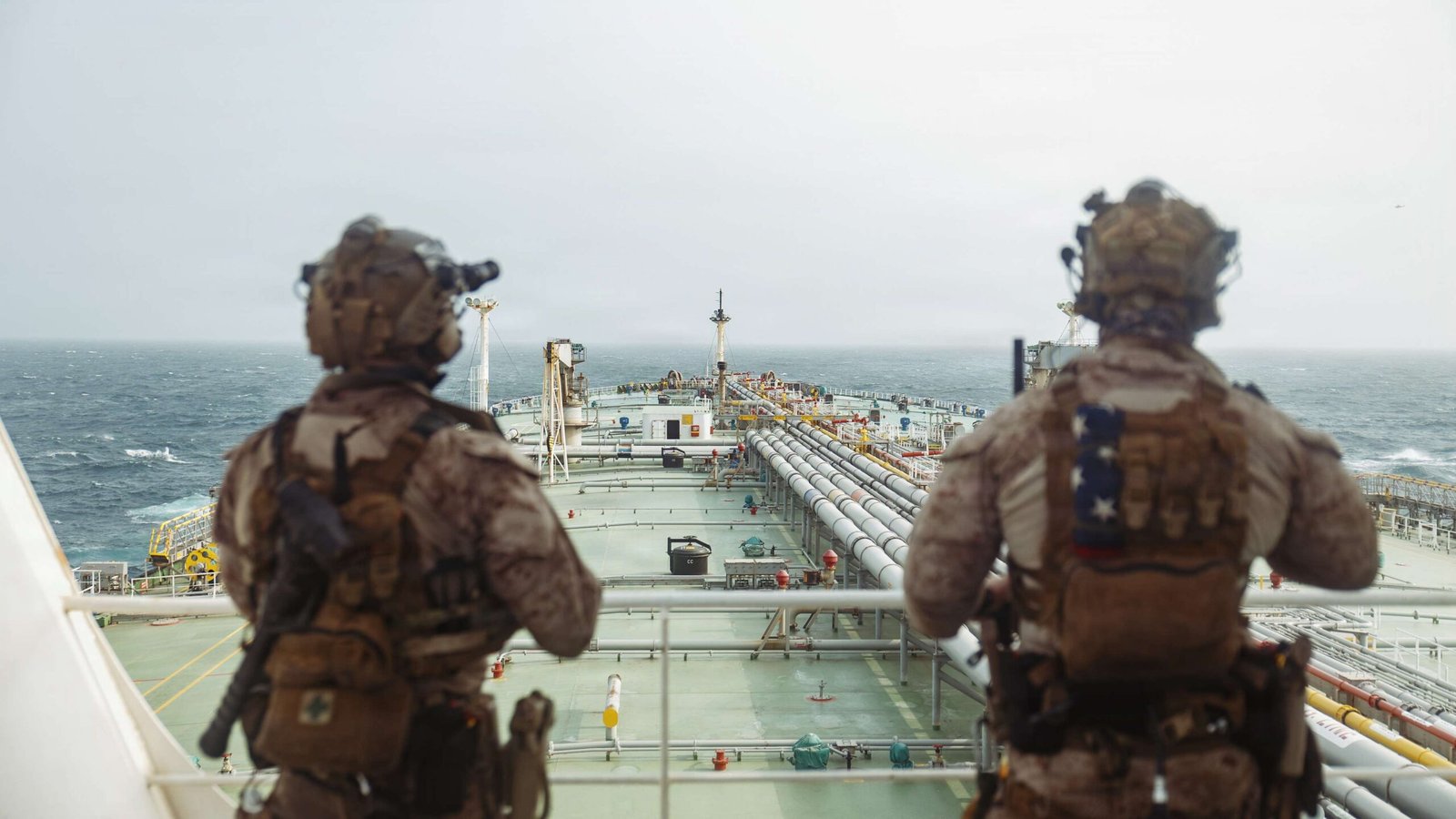

Iran and Oman agreed in principle on Monday to a temporary maritime route through the Strait of Hormuz, a diplomatic step that could ease the tit-for-tat blockades imposed by Tehran and Washington over the past six months.
The understanding, brokered as part of a push involving Oman, Pakistan and Qatar, would take effect only if President Donald Trump’s administration accepts the terms. It arrives half a year after the United States and Israel struck Iran on February 28, opening a conflict that has reshaped the Middle East without delivering the outcome its planners sought.
The stated goal of that assault was to topple Iran’s clerical leadership and install a pro-Western government. Instead, the Islamic Republic has endured. It survived the killing of senior figures and weeks of bombing, and found leverage by threatening traffic through the strait, a chokepoint for a large share of the world’s seaborne oil.
“Iran’s confidence has grown over the months that it cannot only survive, but it can prevail,” said Barbara Leaf, a former US assistant secretary of state for the Middle East, who described the result as a “hardened and very radical regime.”
The cost of survival has been steep. Iran’s currency had already cratered before the war, setting off some of the largest anti-government protests in the country’s history, which were put down by force. Sustained economic pressure has since deepened divisions within the leadership.
At the top, a vacuum persists. Mojtaba Khamenei, wounded in the opening strikes and elevated to supreme leader, has not been seen or heard in public. Questions over his condition and authority have grown as Iran confronts decisions on a war that has damaged its economy further.
Gulf Arab states have watched gaps open in the American security guarantees they relied on for decades, and some are weighing alternatives. Israel, meanwhile, has beaten its adversaries again without defeating them, and after nearly three years of fighting in Gaza and fresh land seizures, faces strain with Washington. Prospects for normalising ties with Saudi Arabia have dimmed further. Earlier phases of the crisis saw competing claims over control of the strait itself.
Oil markets remain split on what comes next. Supply out of the Gulf has been rising, but strategists at RBC Capital Markets warn of further obstacles ahead. Analysts describe a conflict settling into attrition, with no regime collapse and no clear end.
The proposed Hormuz route now awaits a response from the Trump administration before any easing of the blockades can proceed.