
The Gaza documentary NAZA drew a 25-minute standing ovation at the Venice film festival, then a wave of denunciations and legislative threats across Israel’s political and media establishment and calls for violence from rightwing activists and demonstrators.
The 80-minute film, produced by the Guardian, is told entirely in Hebrew by 24 anonymised Israeli military insiders, many of them from elite units. Its title comes from an Israeli military acronym used to refer to civilians expected to be killed in a strike. The participants describe target-selection systems, some powered by artificial intelligence, that identified thousands of people for strikes, often at night and near their families.
The film was directed by Oscar-winning Israeli film-makers Yuval Abraham and Rachel Szor. It opens in US cinemas on September 30, with international distribution to be announced.
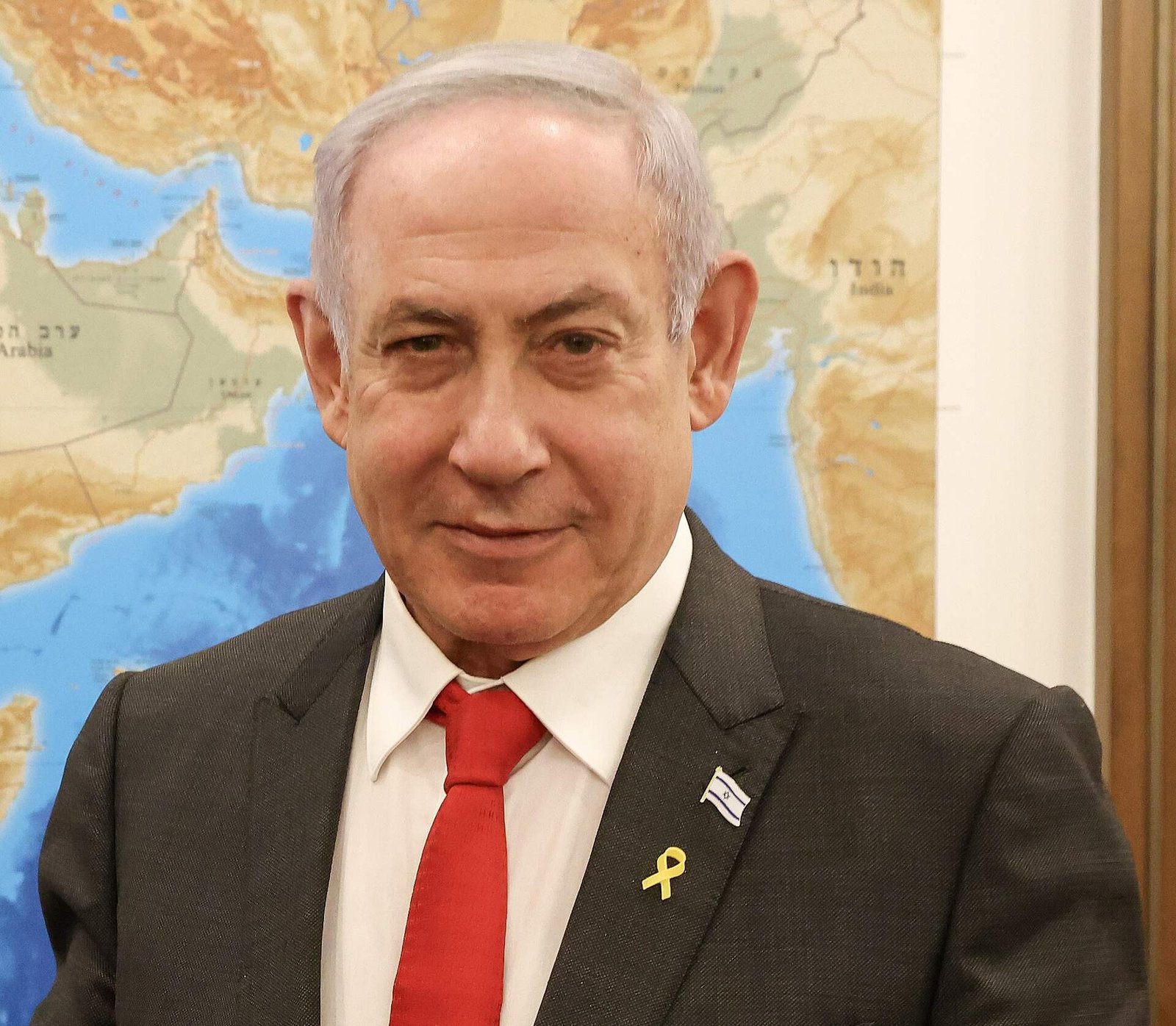
Prime Minister Benjamin Netanyahu said on Wednesday he would promote legislation to revoke citizenship from anyone deemed to defame Israeli soldiers or the state. “We will revoke citizenship for anyone who defames IDF soldiers around the world,” he said. Culture Minister Miki Zohar called for the directors to be stripped of citizenship and investigated for treason by the internal security service.
Army chief Eyal Zamir dismissed the film as blood libel and ordered a legal probe to identify its military and intelligence sources. In the coastal city of Ashdod, graffiti branding the directors “traitors” appeared on walls. Outside the home of Szor’s parents in central Israel, protesters called for the “death penalty for traitors.”
The offices of +972 Magazine and Local Call, where Abraham’s early reporting on the allegations first appeared in collaboration with the Guardian, were broken into by rightwing activists who filmed the intrusion.
Criticism crossed party lines. Former military chief Gadi Eisenkot, a Netanyahu rival, condemned the film for “moral blindness, a detachment from reality, and harm to the State of Israel in a difficult hour.” Former Prime Minister Naftali Bennett, who is also running in October’s election, called it a “horrific blood libel against our sons and daughters.”
Many of the central allegations are not new. Reports that the Israeli military relied on AI systems to generate targets in Gaza, at times killing the inhabitants of entire buildings to reach one identified individual, were published in April 2024. More than 73,000 Palestinians have been killed.
Analysts pointed to gaps in domestic coverage. In October 2025, a study by the Israeli think tank Molad found that only 3 percent of Channel 12’s coverage of the war’s first six months mentioned Gaza’s humanitarian crisis. Of 206 war-related images and clips, only two showed Palestinian civilian casualties.
The reception the film received in Venice contrasted sharply with the response at home. An editorial in the left-leaning newspaper Haaretz warned that their lives were credibly endangered, while dozens of human rights and peace organisations in Israel and international press freedom organisations rallied to their defence.