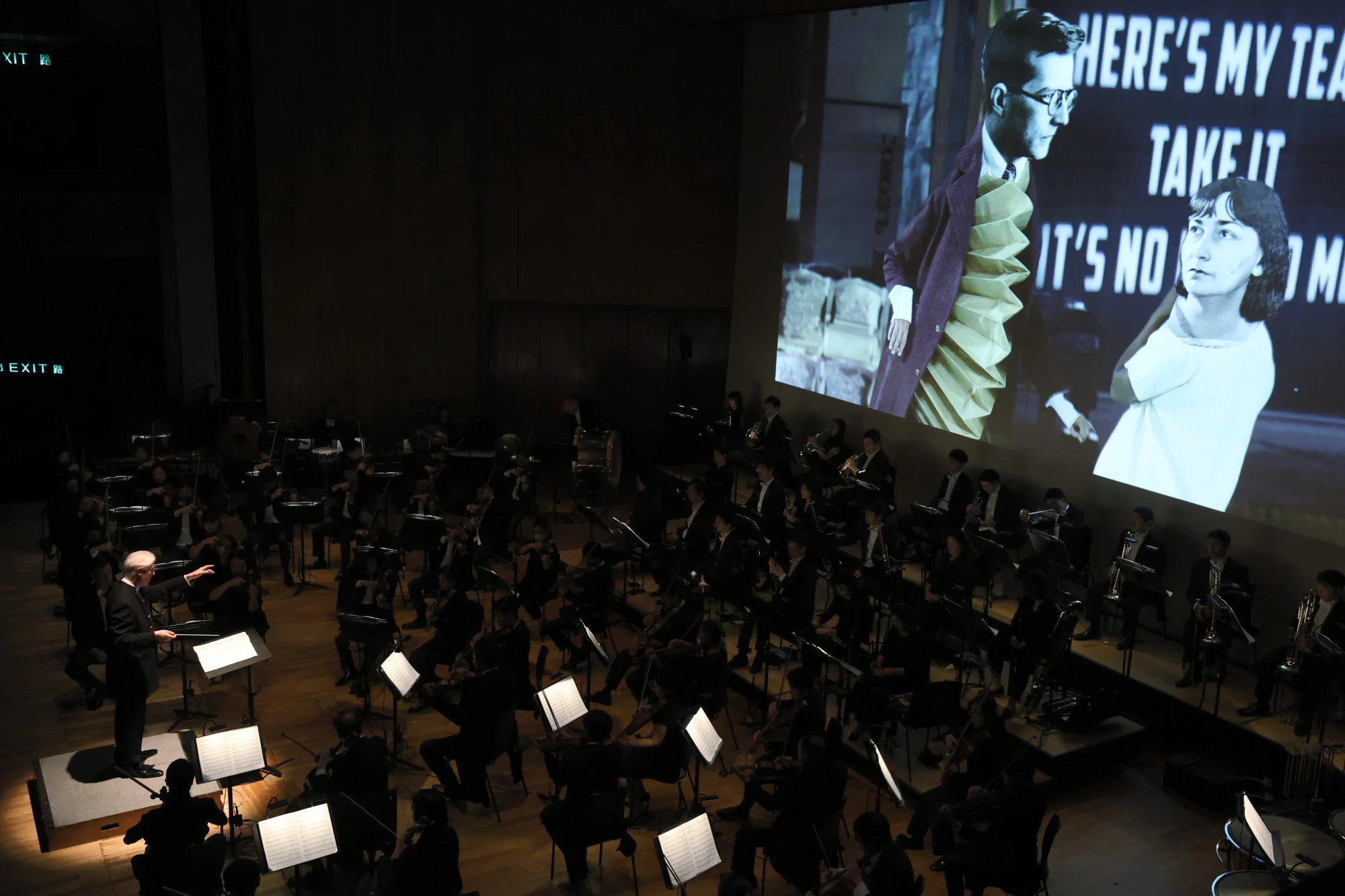

William Kentridge‘s “Oh, To Believe In Another World,” recently showcased at the New Vision Arts Festival, is a profound artistic journey that melds visual art with Dmitri Shostakovich‘s Symphony No. 10 in E minor. Kentridge, renowned for his unique artistry, has once again utilized his signature techniques—collage, sculpture, puppetry, stop-motion animation, and drawing—to create a visual narrative that delves into the complex relationship between the composer and Soviet leader Joseph Stalin.
In this piece, Kentridge ventures beyond mere illustration, creating a dynamic interaction between art and music. He brings to life historical figures like Vladimir Mayakovsky, Lilya Brik, Elmira Nazirova, Vladimir Lenin, and Leon Trotsky, juxtaposing them against the backdrop of Stalin’s tyrannical regime. This cast is portrayed wandering through an imaginary Soviet museum, where the struggle between artistic expression and revolutionary propaganda unfolds.
Kentridge’s choice of Shostakovich’s Symphony No. 10 is particularly apt, as the music itself, completed in 1953, harbors hidden criticisms of the Soviet system and personal motifs relating to Shostakovich and Nazirova. The film’s visual elements resonate with the symphony’s themes, sometimes directly reflecting the music, and at other times, allowing Kentridge’s imagination to roam freely.
One striking visual technique employed by Kentridge is the smudging of characters’ faces in black ink, symbolizing the erasure of political figures, artists, and ordinary people. This powerful imagery evokes a sense of loss and censorship under Stalin’s rule. The music, performed by the Hong Kong Sinfonietta under Christoph Poppen, complements the film with a focus on linear motion and nervous intensity, particularly evident in the second movement Scherzo.
Kentridge’s film does not aim to provide a clear-cut narrative of Shostakovich’s life or the symphony. Instead, it is a creative response from one artist to another, exploring the ambiguities and complexities of the Soviet era. The film and music together create a multifaceted experience that prompts viewers to contemplate the relationship between art, history, and politics.
“Oh, To Believe In Another World” is not just a tribute to Shostakovich but a profound exploration of artistic freedom in the face of oppression. The Asian premiere of this work at the Hong Kong City Hall Concert Hall was a captivating and thought-provoking event, meriting a four-star rating for its artistic depth and innovative approach to storytelling through the fusion of music and visual art.
READ MORE: