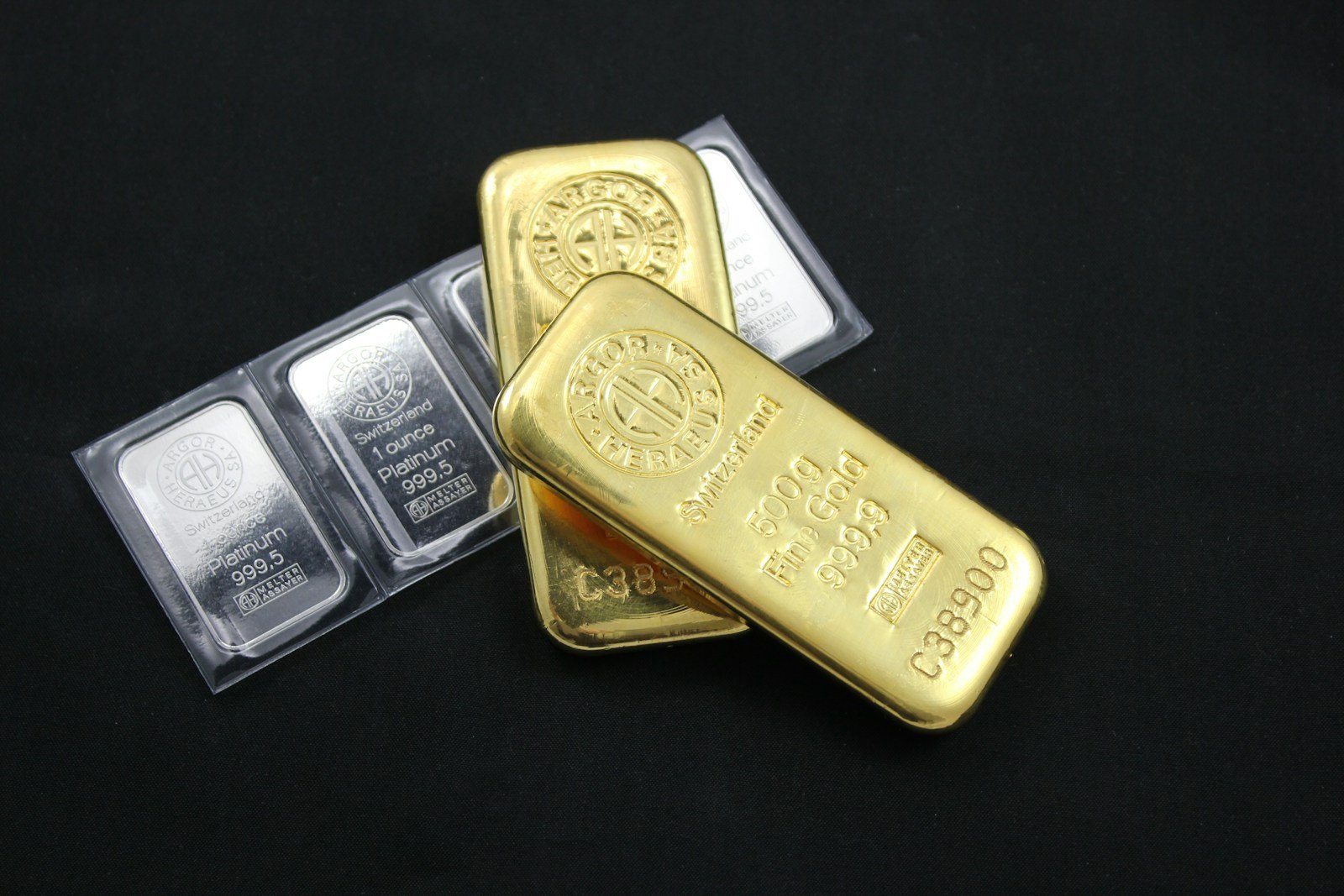

A sharp selloff in commodities rattled global markets at the start of February, as traders unwound crowded “safe-haven” and momentum positions that had driven precious metals to record highs just days earlier.
Gold and silver led the retreat. Gold fell sharply after last week’s peak near $5,600 an ounce, while silver extended a violent two-session slide that included one of its biggest percentage drops on record. The move spilled into other commodities too, with oil down around 5% and industrial metals like copper also sliding.
One major accelerant was higher margin requirements in metals futures, which can force traders to post more collateral quickly or reduce positions — a dynamic that can turn a normal pullback into a cascade of selling.
The macro backdrop shifted at the same time. Investors reassessed the likely path of US monetary policy after President Donald Trump said he would nominate Kevin Warsh to lead the Federal Reserve, a development widely interpreted as potentially keeping policy tighter than some markets had priced in. That helped push the US dollar higher, which tends to pressure dollar-priced commodities and reduces the appeal of non-yielding assets like gold.
Risk appetite softened across equities as well. Asian and European shares fell and volatility measures rose, reflecting a broader “risk-off” mood after the commodity unwind.
Some analysts described the move as a correction rather than a long-term shift in fundamentals, noting that structural drivers (including central-bank and investor demand for gold) remain in place even if near-term positioning had become overheated.