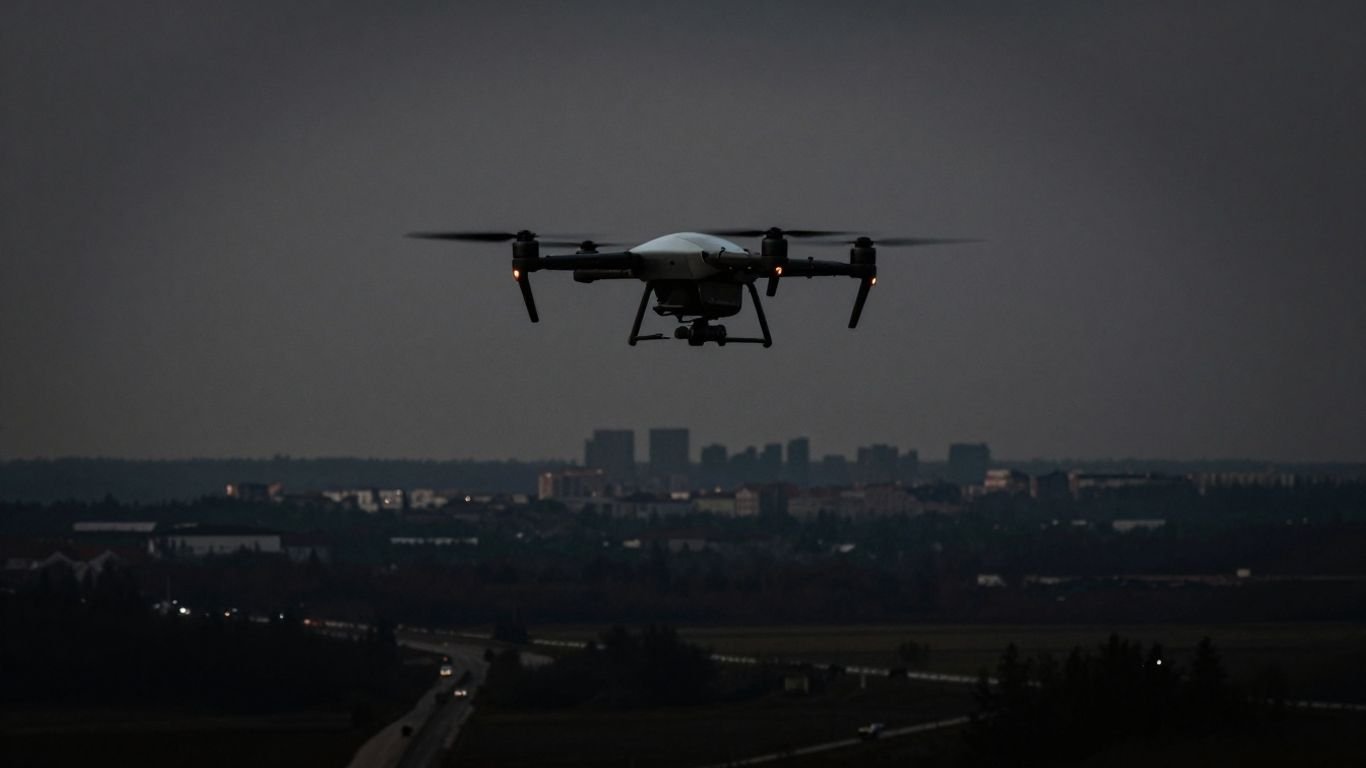

Ukraine’s escalating long-range drone strikes targeting Russian oil infrastructure have triggered a stern warning from Moscow, threatening “unpredictable consequences” for European nations and industries supporting Kyiv’s defense capabilities. The Kremlin views these actions as a deliberate escalation, potentially drawing European countries deeper into the conflict. Meanwhile, Ukrainian President Volodymyr Zelenskyy has voiced concerns that Russia may attempt to involve Belarus more directly in the war, citing intelligence reports of increased military activity near the Ukrainian border.
Recent Ukrainian drone attacks have inflicted significant damage on Russia’s oil and gas infrastructure, disrupting exports and costing the nation billions. Strikes have targeted oil export terminals, refineries, drilling platforms, and pipelines across Russia, including key facilities in Primorsk and Ust-Luga on the Baltic Sea, and the port of Tuapse on the Black Sea. These attacks have reportedly halted or severely reduced oil shipments, with Russia missing out on a substantial portion of potential windfall profits. Ukrainian officials, including President Zelenskyy, have justified these strikes as necessary to inflict financial pressure on Russia, aiming to force an end to the war.
In response to Ukraine’s enhanced long-range strike capabilities, fueled by new agreements with European defense companies, Russia has issued a direct warning. The Russian Ministry of Defense stated that European countries are being “dragged into the war with Russia” and face “unpredictable consequences.” Dmitry Medvedev, a former Russian president, further escalated the rhetoric by suggesting that a list of European companies involved in joint weapons production with Ukraine constitutes “potential targets for the Russian armed forces.” Germany, Norway, the Netherlands, and Belgium have all recently announced significant financial aid and agreements to bolster Ukraine’s drone production and supply, underscoring Europe’s increasing involvement in supporting Ukraine’s defense.
President Zelenskyy has also raised alarms about Russia’s potential to involve Belarus more directly in the conflict. Citing intelligence reports from Ukraine’s top commander, Oleksandr Syrskyi, Zelenskyy highlighted “road construction in areas leading to Ukraine and the establishment of artillery positions… in the Belarusian border area.” He believes Russia is attempting to regroup forces and compensate for personnel shortages, which could explain the increased military activity within Belarus. Belarus, a close ally of Russia, previously allowed its territory to be used as a staging ground for the 2022 invasion. While Belarusian President Alexander Lukashenko has publicly stated no intention of committing Belarusian troops, the country has agreed to host Russian tactical nuclear weapons, and its potential involvement adds a new layer of concern regarding the war’s escalation.