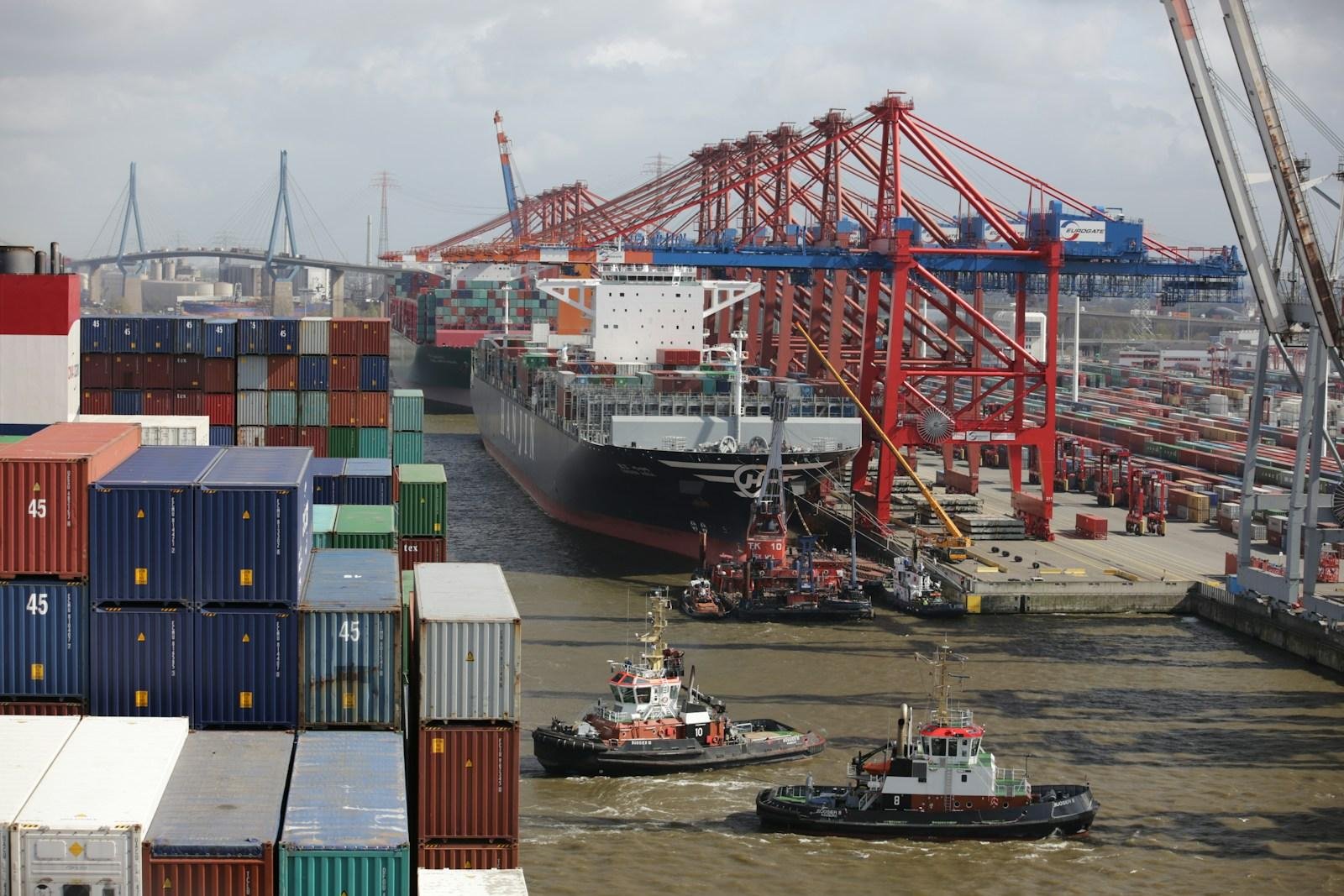

The Trump administration has imposed a sweeping new wave of tariffs on more than 60 trading partners, including China, Japan, South Korea, India and European Union member states, replacing a temporary 10% global duty set to expire at 12:01 a.m. Friday.
US Trade Representative Jamieson Greer announced late Thursday that the United States will levy taxes of between 10% and 12.5% on imports from 60 countries accounting for 99% of US imports, charging that these nations have inadequately enforced bans on goods produced through forced labor. The Associated Press and the South China Morning Post both reported the new duties fall under Section 301 of the Trade Act of 1974.
“The United States has had a forced labor import ban for nearly a century, and rigorously enforces it; it’s well past time for our trading partners to do the same,” Greer stated, according to AP. “Today’s action will begin to correct what is both a human rights abuse and distortive trade practice to improve the welfare of workers everywhere.”
The move follows a significant legal setback for the administration. The Supreme Court struck down Trump’s broadest tariffs in February, prompting the president to turn to temporary 10% worldwide levies as a stopgap. Section 301, which permits the president to impose import taxes against countries found to engage in “unjustifiable,” “unreasonable” or “discriminatory” trade practices, was previously used by Trump to impose tariffs on China during his first term—measures that survived subsequent court challenges.
The USTR’s office has also launched a probe into whether 16 countries, accounting for 70% of US imports, have overproduced goods and pushed down prices to the disadvantage of US firms, AP reported. That investigation has not been completed, and further Section 301 tariffs are considered likely.
Canada’s dairy sector has been singled out as one of three main irritants used to justify the new duties. The BBC reported that the country’s “powerful” dairy industry is now in the trade spotlight amid escalating tensions between Washington and Ottawa.
Meanwhile, Beijing and Washington are actively soliciting industry feedback on potential bilateral tariff reductions under a newly established board of trade, according to China’s commerce ministry. Meng Huating, director of the Ministry of Commerce’s Department of Foreign Trade, indicated the Chinese side is “widely soliciting views from stakeholders—including domestic firms, business associations, local governments as well as American firms and business associations—on relevant tariff reduction arrangements,” the South China Morning Post reported. Analysts have described the negotiations as a potential US$30 billion question for both economies.
The tariffs come amid mounting evidence that Trump’s manufacturing agenda has faced practical hurdles. At Zion Foodtrucks in Colorado, the company says it has been squeezed by higher costs rather than benefiting from the president’s push to revive US manufacturing, according to the South China Morning Post. Trump’s import taxes on steel and aluminium have reached 50%, raising input costs for domestic producers who still rely on globally sourced components.
Separately, Trump announced new tariffs on generic drugs set to take effect in 2028, The Guardian reported. US gasoline prices have continued to rise amid renewed conflict with Iran, with the American Automobile Association reporting a gallon of fuel now costs just over $4—almost a dollar more than a year ago. Brent Crude, the international oil benchmark, rose almost 2% to $90.92 a barrel.
In a related development, the US House passed a war powers resolution by a vote of 214-208 to curb the administration’s military action in Iran ahead of the chamber’s August recess, with four Republicans joining all Democrats in support, according to The Guardian. The scope and duration of the new trade measures remain to be seen as affected nations weigh their responses.