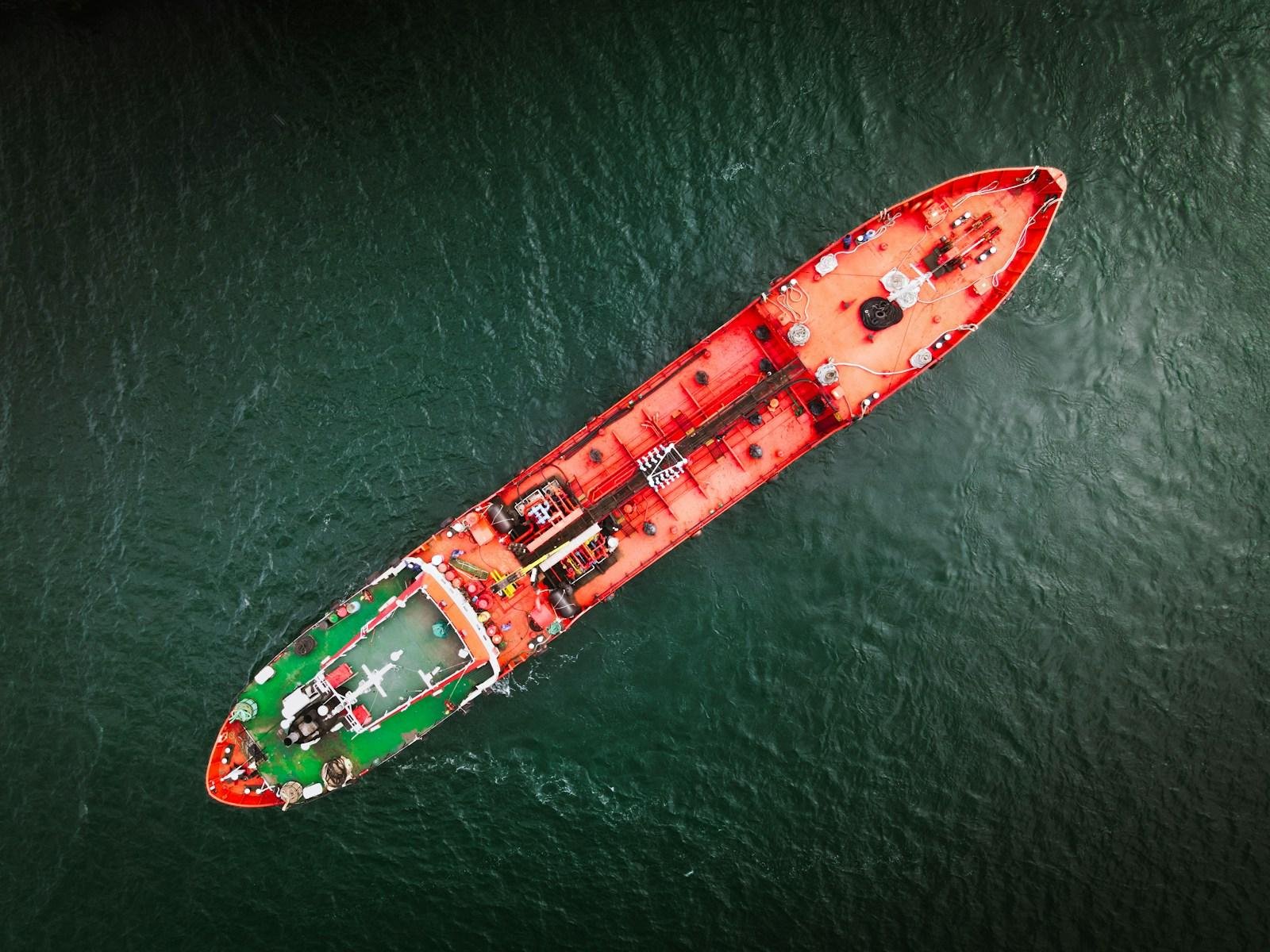

Global oil prices surged past US$100 a barrel for the first time since May after Iran-backed Houthi fighters in Yemen struck two Saudi oil tankers in the Red Sea, extending the widening Middle East conflict to a second major shipping chokepoint. US President Donald Trump responded by promising “major military punishment” for Iran and its Houthi allies.
Brent crude rose more than 6% following the attacks, according to the South China Morning Post, marking one of the steepest single-session increases since the start of the war. The rally was driven by fears that disruption could spread further and block additional sea routes vital to global energy supplies.
The Houthi group has threatened to target Saudi vessels transiting the Red Sea, a critical artery for international trade, the BBC reported. The threat has raised concerns of a broader regional escalation and deeper damage to the global economy, which relies heavily on the unimpeded flow of goods and energy through the region.
The Bab al-Mandab strait, at the mouth of the Red Sea, sits at the center of the latest disruption. Despite the Houthi blockade of shipping bound for Saudi Arabia, the militia appears to be permitting some vessels to pass, experts told the South China Morning Post on Thursday.
A Chinese oil tanker, Cosco Shipping’s very large crude carrier Xin Long Yang, was granted permission to transit the waterway, according to the trade publication Lloyd’s List. The publication indicated that Chinese tankers returning from the Saudi port of Yanbu in the Red Sea may be able to negotiate passage with the group, suggesting the blockade is being applied selectively rather than uniformly.
The developments underscore the strategic complexity of the conflict, in which the Houthis have sought to pressure Saudi Arabia while apparently avoiding disruption to other trading partners. The Bab al-Mandab and the wider Red Sea corridor connect the Suez Canal to the Indian Ocean, handling a substantial share of global maritime trade.
Analysts have warned that a sustained escalation could inflict further economic damage worldwide by raising energy costs and forcing shippers onto longer, costlier routes around southern Africa. The prospect of a second chokepoint being affected has amplified market anxieties already elevated by the ongoing hostilities.
Trump’s pledge of military action against Iran signals the potential for direct confrontation between Washington and Tehran, which backs the Houthi movement. The coming days are expected to be closely watched by governments, energy markets, and shipping operators as the situation develops and the risk of a wider regional war remains elevated.