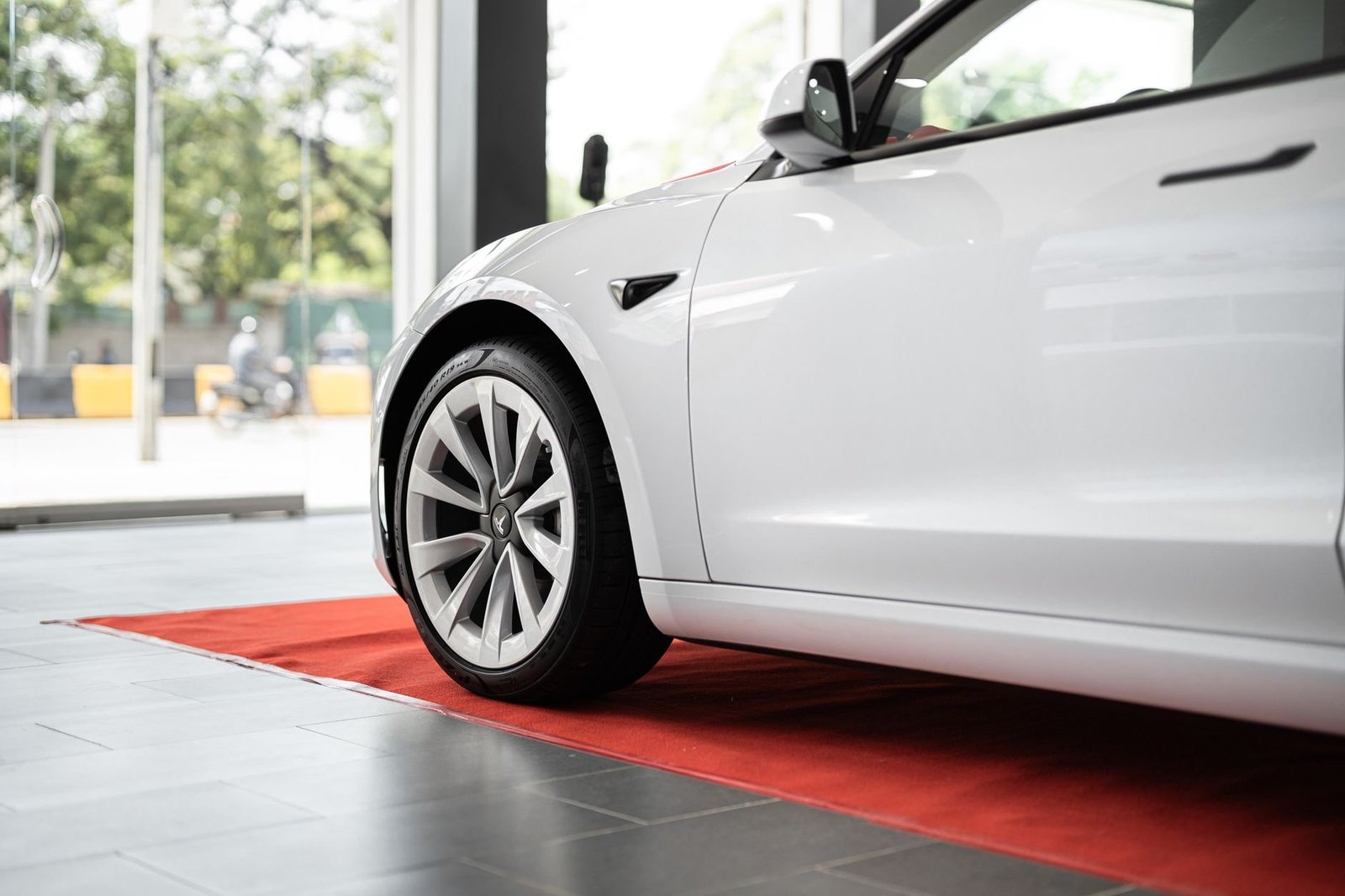

Tesla shares plunged nearly 18% this week, marking the electric-vehicle maker’s steepest weekly decline since 2022, after the company missed earnings expectations and reported negative cash flow for the quarter.
The sharp sell-off underscored mounting investor anxiety over slowing demand, thinning margins, and questions about the pace of Tesla’s transition toward autonomous driving and robotics. The stock’s fall capped a difficult stretch for Chief Executive Elon Musk, whose companies faced simultaneous pressure across public and private markets.
Tesla’s second-quarter results fell short of Wall Street forecasts, and the company turned cash flow negative, a development that rattled shareholders already weighing concerns about growth versus profitability. Investors have spent much of the year debating whether the automaker can sustain its premium valuation amid softening vehicle sales.
Despite the slide, some analysts remain constructive on the stock’s longer-term trajectory. Wall Street’s average price target now implies roughly 29% upside from current levels, suggesting a divide between short-term disappointment and expectations for future recovery tied to Tesla’s artificial-intelligence and autonomy ambitions.
The results extend a pattern of scrutiny that has followed the company through recent quarters, with persistent skepticism over falling sales and its robotaxi roadmap weighing on sentiment. Tesla has increasingly framed its future around self-driving technology and its humanoid robot program rather than traditional vehicle volume growth.
The week compounded challenges for Musk beyond Tesla. Shares of SpaceX also came under pressure ahead of a scheduled Starship test flight, adding to the sense of a difficult stretch for the entrepreneur’s broader business portfolio.
Tesla’s decline came against a backdrop of broader questions about the company’s strategy and leadership. Investors have closely tracked developments ranging from executive compensation proposals to the automaker’s competitive position in key markets, including China, where domestic rivals continue to expand.
The company has yet to signal a clear near-term catalyst to reverse the slump, leaving attention focused on upcoming product milestones and progress on its autonomy initiatives. Whether Tesla can convert its long-term ambitions into renewed investor confidence remains the central question heading into the second half of the year.