
Baker Hughes has posted a surprise increase in quarterly earnings, driven by surging demand for its energy technology from artificial intelligence data centres, even as the company warned that oil and gas producers will scale back spending in 2026.
The oilfield services and industrial technology firm reported profit ahead of Wall Street expectations, sending its shares higher. The results underscore the company’s growing pivot from a traditional dependence on drilling activity toward supplying equipment for power generation and the fast-expanding data centre market.
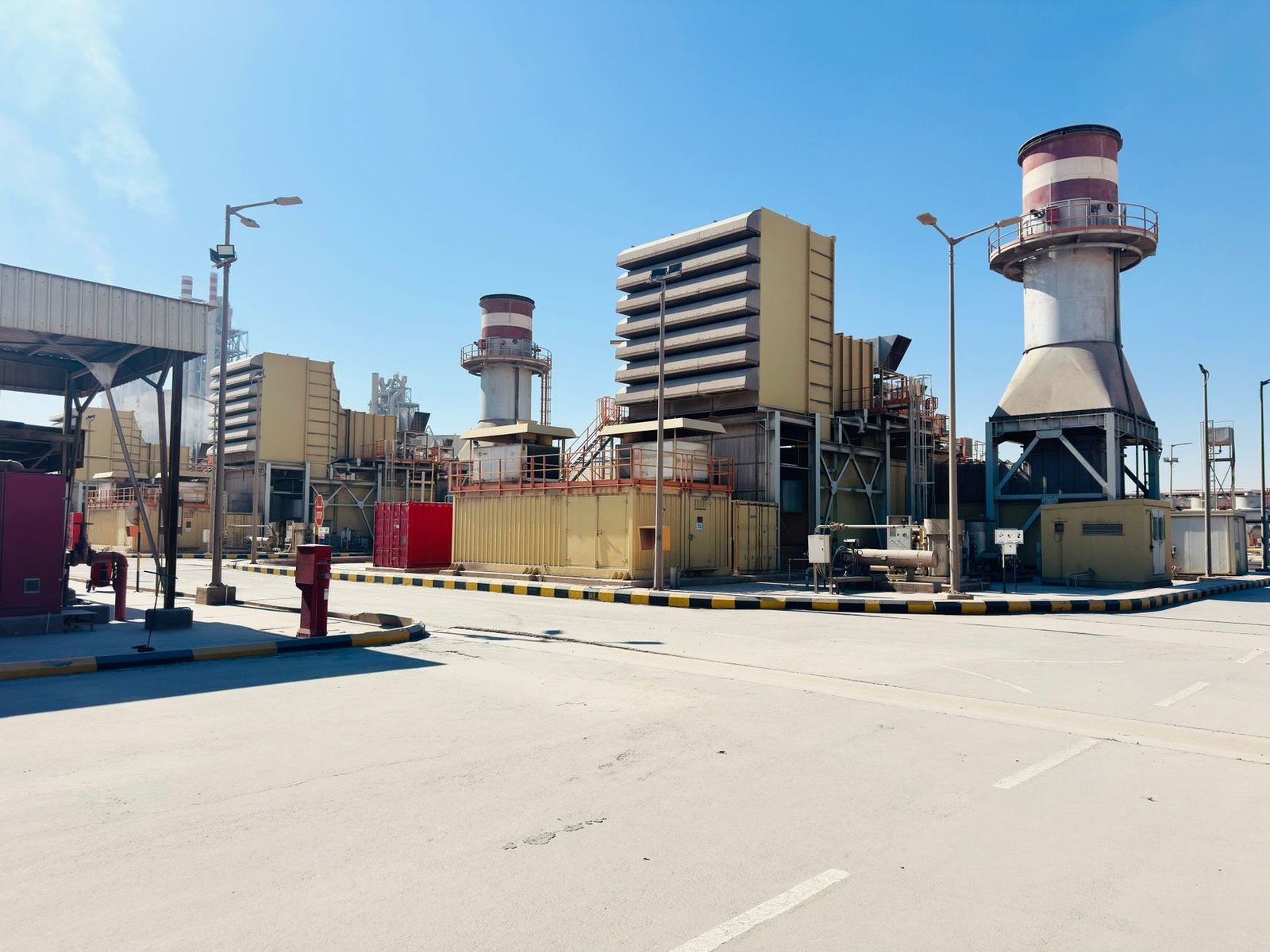
Gas turbines, compressors and related power systems have emerged as a key growth engine, as operators of energy-intensive AI facilities race to secure reliable electricity supplies. That demand has helped cushion the impact of a softer outlook for conventional oilfield work.
At the same time, the company flagged that global exploration and production companies are expected to reduce capital budgets next year. Lower spending by producers typically pressures demand for the drilling and completion services that have long formed the core of Baker Hughes’ business.
The cautious 2026 forecast mirrors a broader tightening across the energy sector amid volatile crude prices. Several major producers have already moved to trim expenditure, with peers announcing cost cuts in response to weaker oil prices in recent months.
The dual dynamic — rising industrial and power revenue alongside a slowing upstream cycle — highlights how energy service providers are repositioning to capture demand tied to electrification and computing infrastructure.
Baker Hughes has increasingly marketed its turbine and power-generation portfolio as a solution for data centres seeking behind-the-meter and on-site electricity, a segment that analysts expect to expand as AI workloads grow.
The company’s shares gapped up following the report, reflecting investor optimism that its diversification strategy can offset cyclical weakness in the oilfield segment.
Looking ahead, Baker Hughes is expected to lean further into power-related technology to counter the anticipated pullback in producer spending, positioning the AI-driven energy build-out as a central pillar of its growth through 2026 and beyond.