
Boeing reported a larger-than-expected quarterly loss for the second quarter, driven in part by a fresh charge tied to its long-delayed program to build the next generation of presidential aircraft, marking another setback for the aerospace giant’s recovery efforts.
The company took a $280 million charge on its Air Force One program, which has faced repeated delays and mounting costs over recent years. The additional expense underscored the continuing financial strain of the fixed-price government contract, one of several such deals that have generated substantial overruns for the manufacturer.
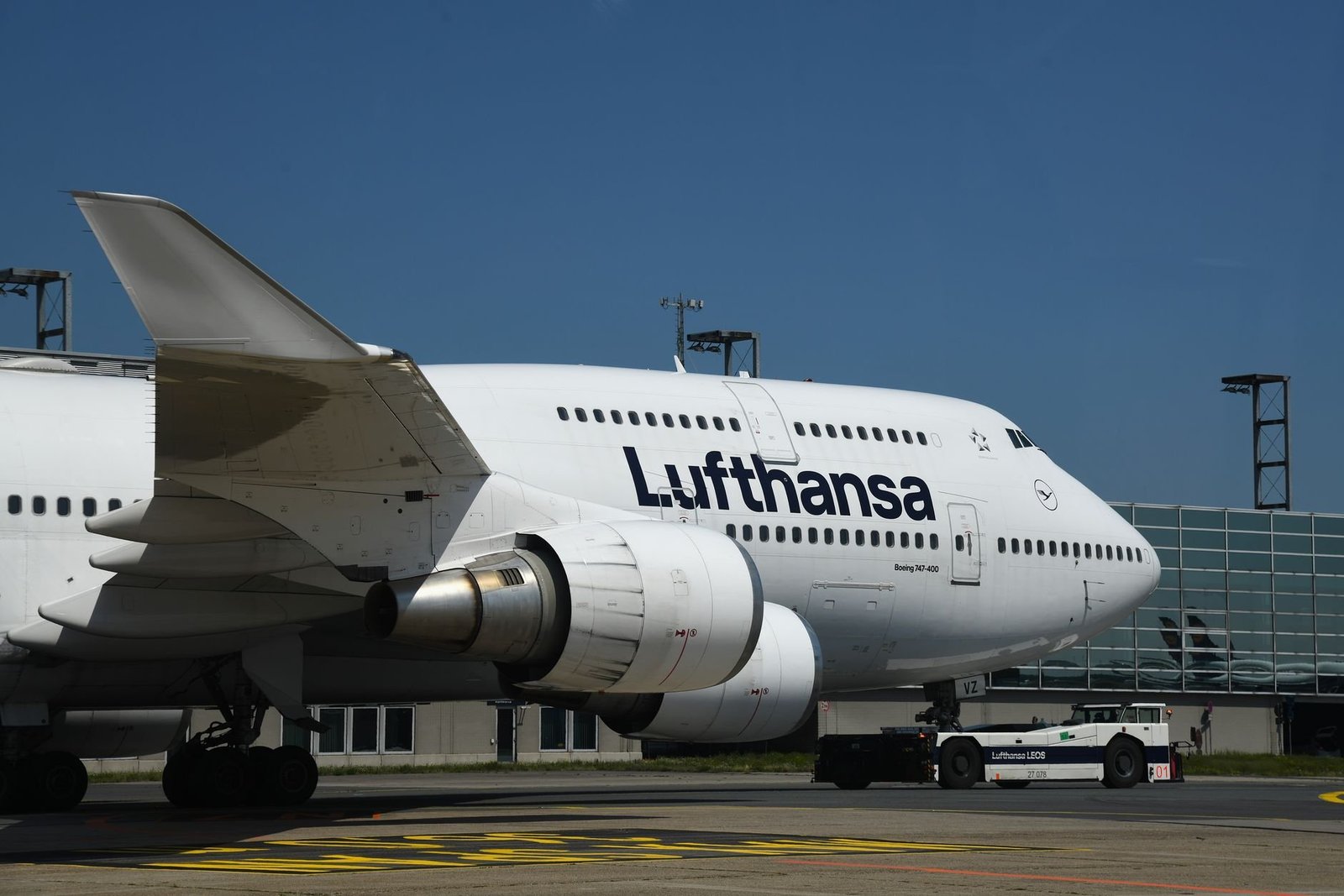
The Air Force One program involves modifying two Boeing 747-8 aircraft to serve as the flying command centers used by the U.S. president. The project has run years behind its original schedule, prompting the government to weigh alternative options to bridge the gap before the new jets enter service.
Earlier this year, U.S. officials explored the possibility of adapting a Qatari-owned 747 as an interim replacement, reflecting the urgency surrounding the delays.
The wider loss adds pressure on a company still working to stabilize its finances after years of turbulence spanning safety concerns, production slowdowns and labor disputes. Boeing has been attempting to lift aircraft output and rebuild confidence among airline customers and regulators.
Fixed-price defense contracts have proven particularly costly for Boeing, as the arrangements leave the manufacturer absorbing overruns rather than passing them to the government. The Air Force One deal, negotiated years ago, has become emblematic of the risks associated with such terms.
Despite these challenges, the company has pointed to gradual improvement in its commercial aircraft business, where deliveries have climbed toward levels not seen in several years. Recovery in that division remains central to Boeing’s broader turnaround strategy.
Investors are closely watching whether the manufacturer can sustain higher production rates while containing losses in its defense and space unit, where the presidential aircraft program sits. The balance between the two segments is expected to shape the company’s financial trajectory in the coming quarters.
Boeing’s leadership has repeatedly signaled its intent to renegotiate or restructure loss-making government programs, though progress has been incremental. The latest charge suggests the presidential aircraft project will continue to weigh on results until the jets are delivered.