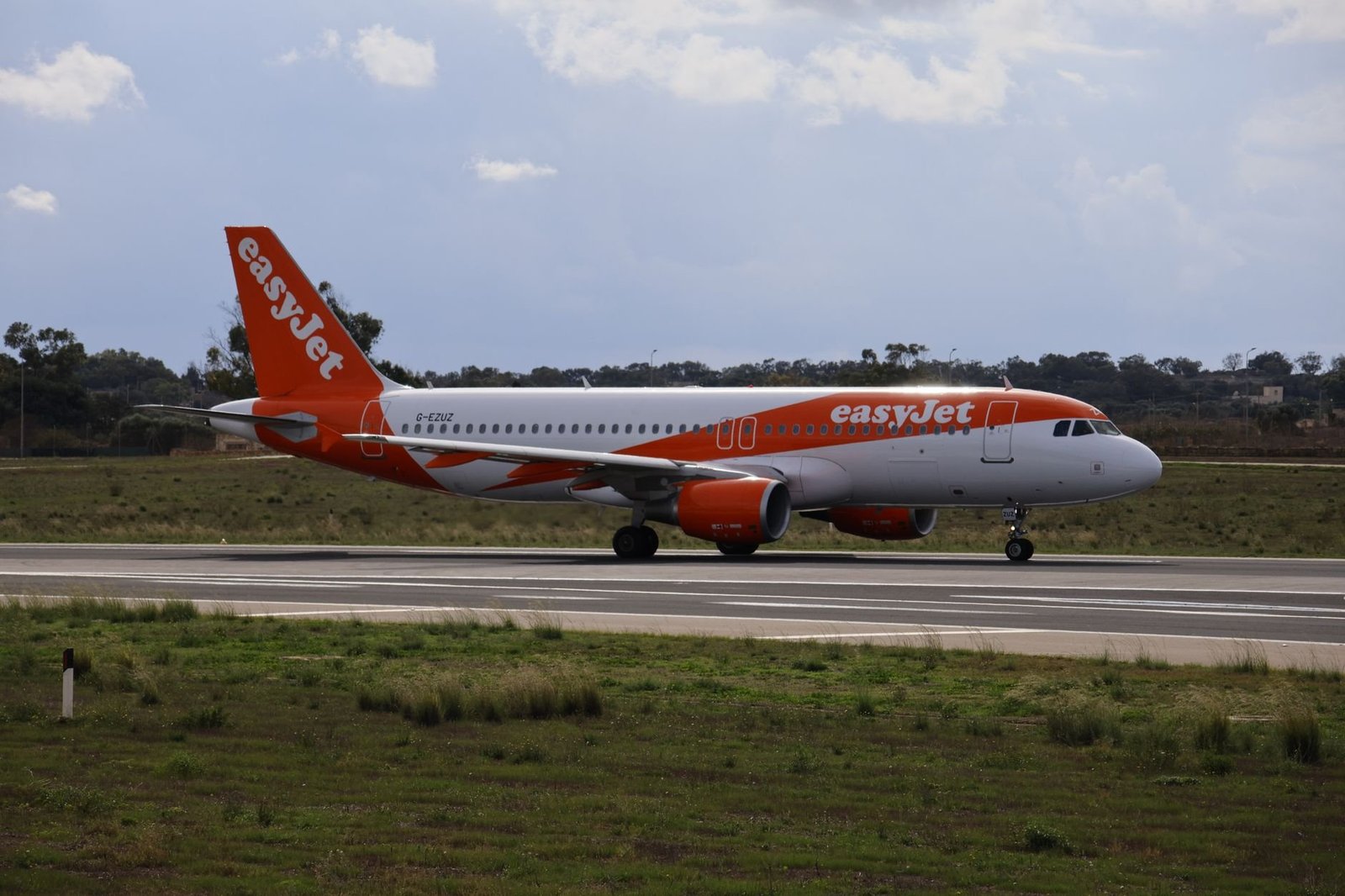

US private equity firm Apollo Global Management has agreed to acquire British low-cost carrier EasyJet in a deal valued at £5.7 billion (approximately $7.7 billion), securing control of one of Europe’s largest no-frills airlines after a rival suitor abandoned its pursuit.
The agreement was confirmed on Thursday, shortly after investment firm Castlelake said it would not proceed with a competing offer. News of Castlelake’s withdrawal sent EasyJet shares tumbling before the airline’s board endorsed the Apollo transaction.
The takeover would move EasyJet from public markets into private ownership, ending decades as a listed company on the London Stock Exchange. Founded in 1995, the carrier built its reputation on cut-price fares and a dense network of short-haul routes across Europe.
Apollo’s bid underscores continued private equity appetite for aviation assets, a sector that has staged a strong recovery since the pandemic grounded much of global air travel. The move follows a wave of consolidation and investment across the industry, including recent multibillion-dollar shifts in aircraft leasing.
EasyJet operates hundreds of aircraft and carries tens of millions of passengers annually, competing directly with rivals such as Ryanair and Wizz Air. The airline has expanded its holiday packages business in recent years, seeking to diversify revenue beyond ticket sales.
The withdrawal of Castlelake removed the prospect of a bidding war that some investors had anticipated. EasyJet’s share price reaction reflected uncertainty over the final terms once a rival exit narrowed the field.
For Apollo, the acquisition adds a well-known consumer brand to a portfolio that spans a broad range of industries. The firm has increasingly targeted large European assets as it deploys capital across the region.
The transaction remains subject to shareholder approval and regulatory clearance, a process that could take several months. Aviation deals of this scale frequently draw scrutiny from competition authorities over their impact on routes and fares.
The deal is expected to reshape the ownership landscape of European budget travel, a market that has grown fiercely competitive as carriers battle over margins and passenger loyalty. Analysts suggest private ownership could give EasyJet greater flexibility to invest without the pressures of quarterly public reporting.
Both companies are expected to outline further details on financing and the timeline for completion in the coming weeks, with the airline’s operations set to continue as normal in the interim.