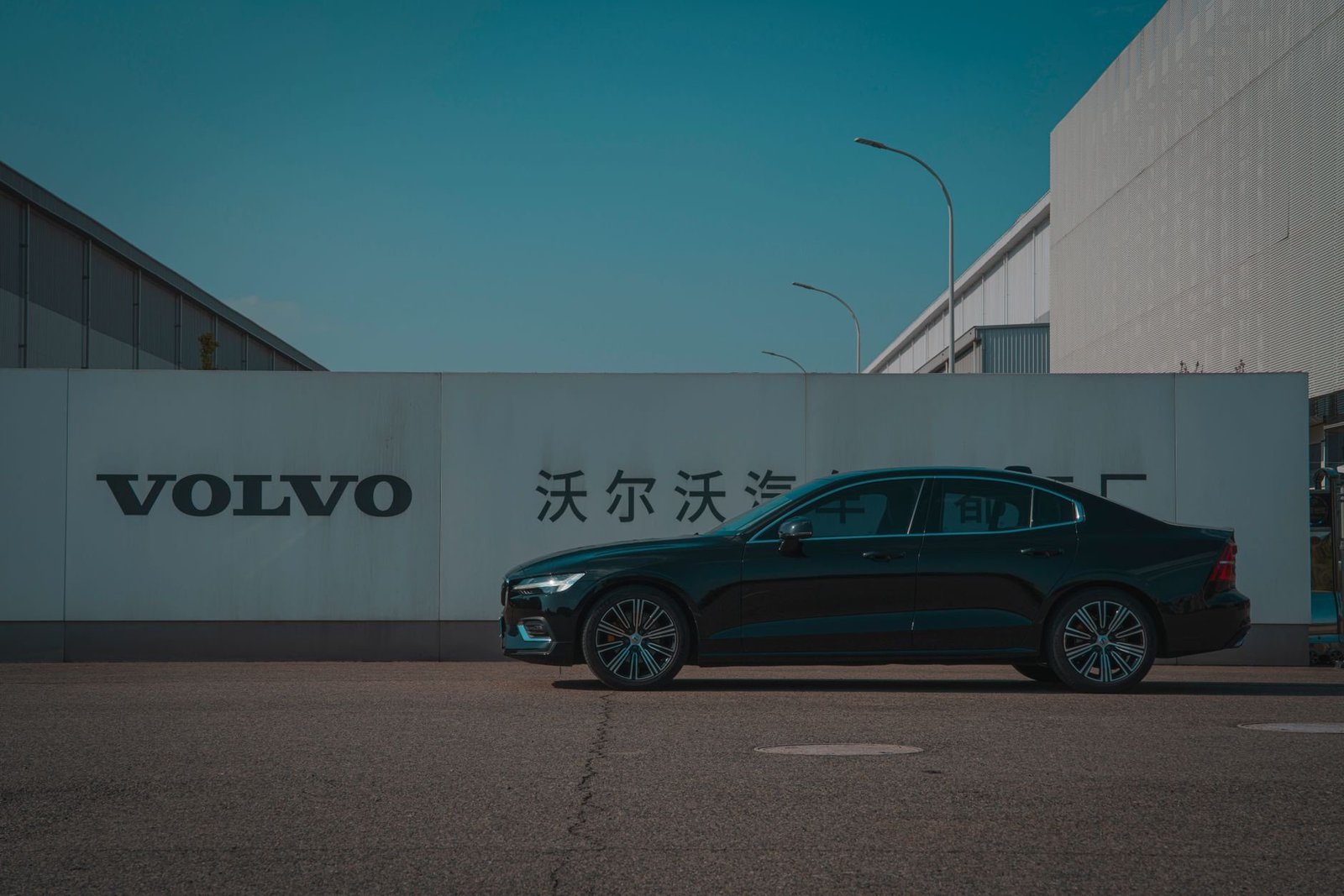

Volvo Cars reported a 4% decline in global sales for the three-month period through July, weighed down by softening demand in China and a broader slowdown across key markets.
The Swedish automaker, which is majority owned by China’s Geely, has faced mounting pressure as competition intensifies and consumer appetite cools in one of its most important regions. China remains a central pillar of Volvo’s strategy, serving as both a manufacturing base and a major sales market.
The dip underscores the challenges confronting established brands in a market increasingly dominated by fast-moving domestic manufacturers. Chinese carmakers have expanded aggressively in recent years, capturing share once held by foreign marques through competitive pricing and a rapid rollout of electric and hybrid models.
Volvo has been navigating a difficult transition period as it balances its shift toward electrification with weaker-than-expected demand. The company had previously set ambitious targets to become a fully electric brand, but has since moderated some of those goals amid uneven consumer uptake and evolving trade conditions.
The pressures echo a wider reshuffling of the Chinese auto landscape, where legacy players have seen their positions erode. That trend was highlighted when Volkswagen’s footprint in the market contracted as Geely Auto gained ground, illustrating how quickly the competitive order is shifting.
Trade tensions have added a further layer of complexity for automakers operating across Europe and China. Tariffs and shifting policy frameworks have prompted manufacturers to rethink supply chains and product mixes in an effort to protect margins.
Despite these challenges, Volvo continues to invest in new models and technology as it seeks to stabilize its performance. The company is expected to lean on its electrified lineup and premium positioning to regain momentum in the coming quarters.
The results come as global carmakers assess the durability of demand heading into the second half of the year, with China’s evolving market dynamics likely to remain a decisive factor for international brands.