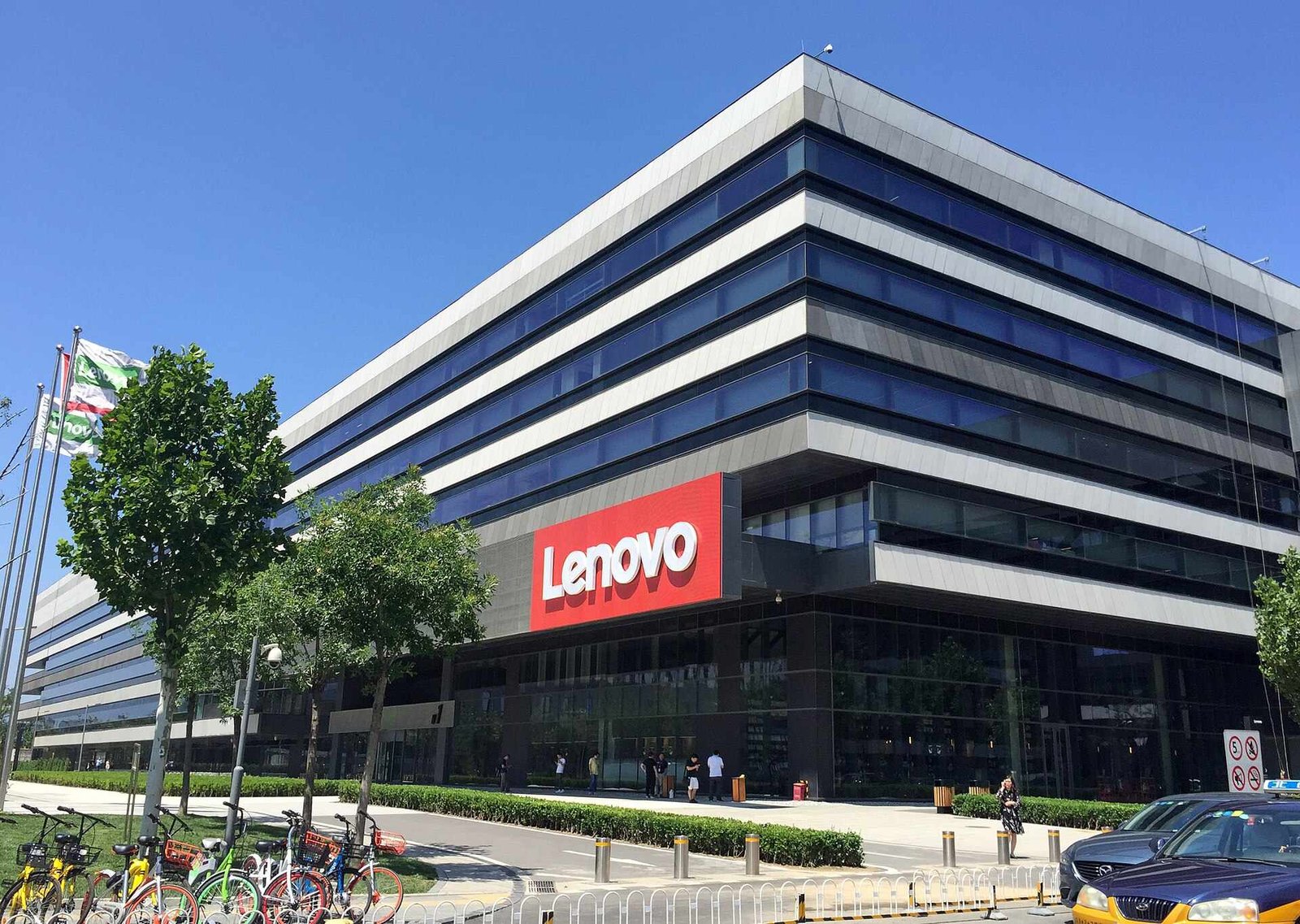

Lenovo Group reported a sharp rise in quarterly profit and a 43% surge in revenue, exceeding market expectations as demand for artificial intelligence computers, servers and services propelled the world’s largest personal computer maker.
The results, released Thursday, made Lenovo the latest technology company to post better-than-anticipated earnings on the back of the global AI infrastructure boom, catching investors by surprise as spending on data-center hardware continues to accelerate.
Revenue growth was driven largely by Lenovo’s infrastructure and services segments, where corporate and cloud customers are racing to build out capacity for AI workloads. Demand for AI-capable servers and high-performance computing systems has reshaped the company’s revenue mix in recent quarters.
The performance underscores how far Lenovo has moved beyond its traditional PC roots. The company has spent years expanding into servers, storage and IT services, a strategy that has left it well positioned to capture spending tied to generative AI.
That diversification has been building for some time, with the company’s push into non-PC businesses now accounting for a growing share of overall sales.
Lenovo’s report follows a wave of strong earnings across the technology sector, as chipmakers, cloud providers and hardware suppliers benefit from surging investment in AI systems. The trend has lifted revenue and margins for firms supplying the components and infrastructure underpinning large AI models.
The global build-out has proven durable despite broader economic uncertainty, with enterprises and governments committing heavily to computing capacity. This development comes as competition intensifies among hardware makers seeking to supply the data centers driving the AI era.
For Lenovo, the challenge now is sustaining momentum as component costs and supply constraints weigh on the sector. The company is expected to continue leaning on its infrastructure and services divisions to offset slower cycles in the consumer PC market, where growth has been more subdued.