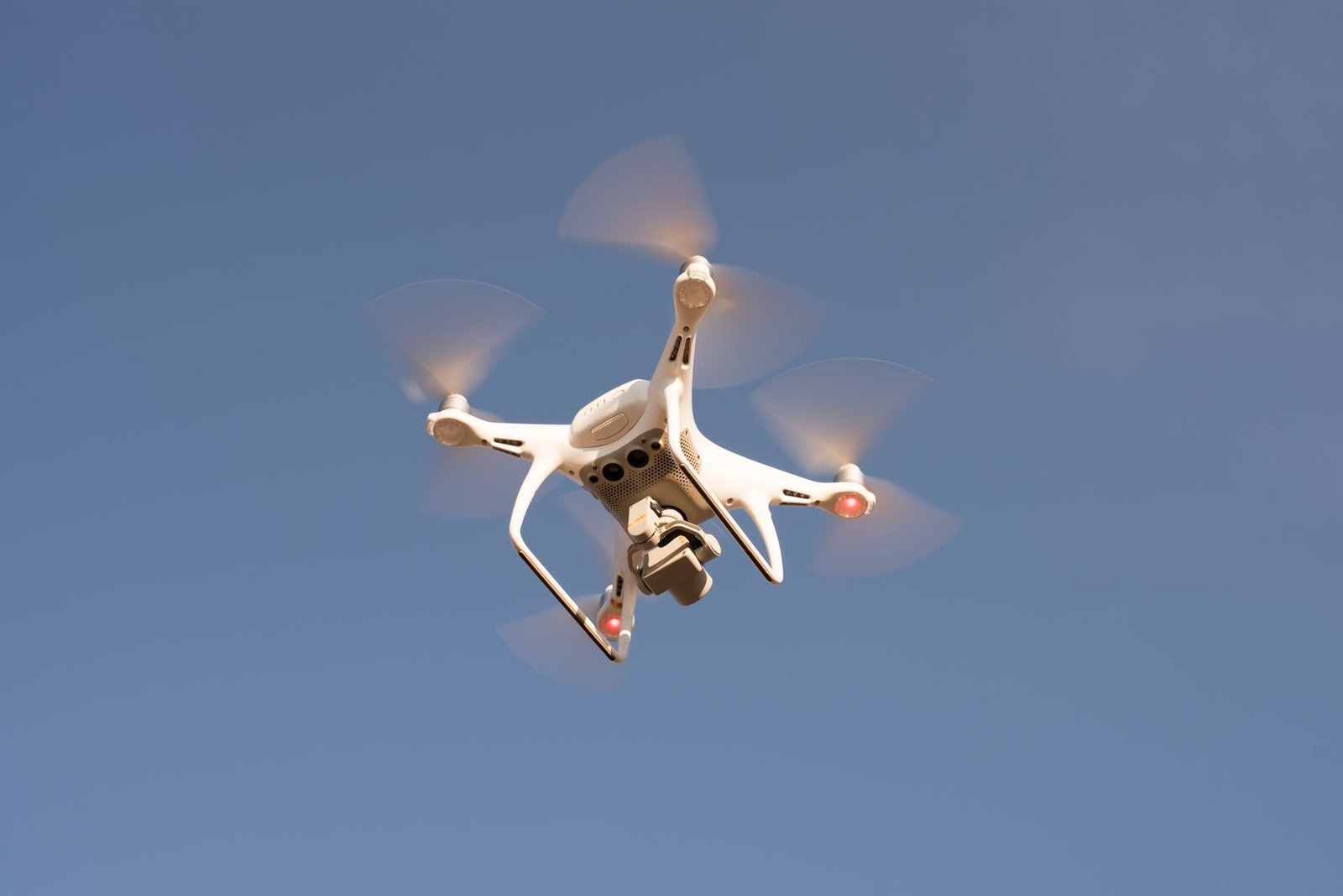

Shares of U.S. drone manufacturers rallied sharply after President Donald Trump ordered new tariffs on foreign-made drone components, a move designed to boost domestic defense manufacturing and reduce reliance on Chinese suppliers.
The tariffs target key parts and subassemblies imported from abroad, with the administration framing the measure as a bid to chip away at China’s dominance in the global drone market. China currently supplies the bulk of consumer and commercial drone hardware worldwide, along with many of the components used in industrial and defense systems.
The rally was led by Unusual Machines, whose stock jumped in the wake of the announcement. The company has previously disclosed Donald Trump Jr. as an adviser, a connection that drew additional attention to the surge in its shares.
Other publicly traded drone makers and component suppliers also climbed as investors bet that higher import costs would steer buyers toward domestically produced hardware. The gains reflected expectations that federal policy is increasingly aligned with expanding U.S. production capacity in the sector.
The order forms part of a broader push to onshore manufacturing across strategically sensitive industries. Similar reasoning has underpinned recent trade actions, including the administration’s decision to impose duties on polysilicon to strengthen domestic chip and solar supply chains.
Drones have become a focal point of the wider technology and trade rivalry between Washington and Beijing. The two governments have exchanged a series of measures affecting critical goods, with China responding to earlier U.S. restrictions by unveiling drone export controls and sanctions on several American firms.
For U.S. producers, the tariffs could translate into a more favorable competitive position, though the industry still depends heavily on imported parts that are not yet manufactured at scale domestically. Building out that supply chain is expected to take time and significant investment.
Analysts caution that the near-term stock gains may outpace the sector’s underlying fundamentals, as many U.S. drone companies remain small and unprofitable. The longer-term impact will hinge on how quickly domestic firms can ramp up component production and whether federal contracts follow the policy shift.
The measures also raise the prospect of higher costs for American buyers of drones and related equipment in the short term, as manufacturers adjust their sourcing. How Beijing responds to the latest tariffs will help determine whether the trade friction over drone technology continues to escalate.