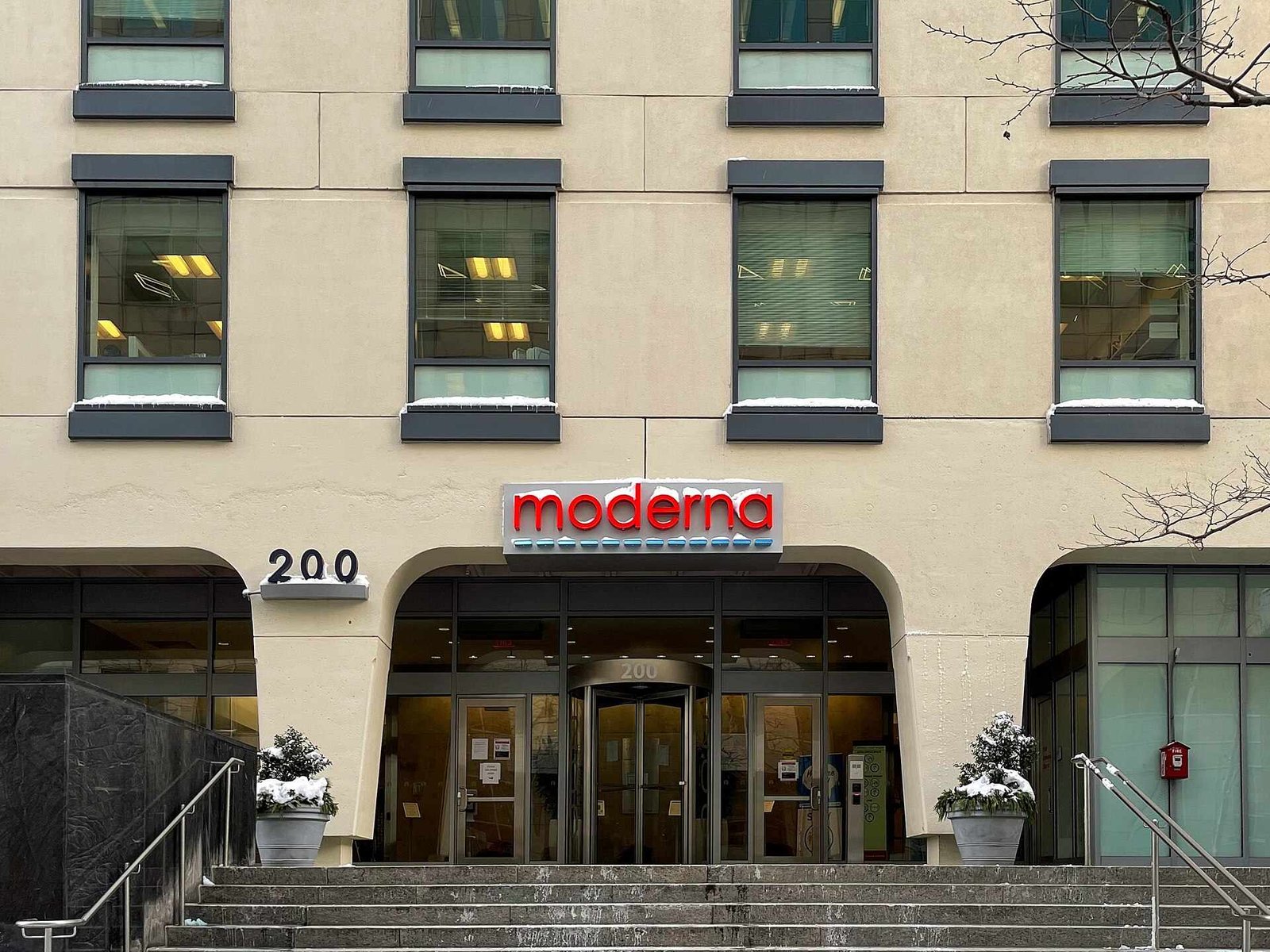

Moderna shares surged roughly 50% after the company and Merck reported that their experimental cancer vaccine significantly delayed the recurrence of melanoma in a late-stage trial, marking a major advance for personalised immunotherapy.
The combination regimen paired Moderna’s messenger RNA-based vaccine, known as mRNA-4157, with Merck’s blockbuster immunotherapy Keytruda. In the Phase 3 study, patients who received the combination lived longer without their skin cancer returning compared with those treated with Keytruda alone.
The results validated a treatment approach that tailors each vaccine to the genetic profile of an individual patient’s tumour, training the immune system to recognise and attack cancerous cells. The candidate targets high-risk melanoma, one of the most aggressive forms of skin cancer.
Investors responded swiftly. Moderna jumped in premarket trading before the surge extended into the regular session, delivering one of the company’s sharpest single-day gains since the pandemic era. Merck shares also climbed on the news, reflecting the strategic weight the partnership carries for both firms.
The data offers a significant boost for Moderna, which has sought to diversify beyond its COVID-19 franchise as vaccine demand cooled. The company has been advancing a broad pipeline that includes candidates for respiratory and gastrointestinal illnesses, among them its late-stage norovirus programme.
For Merck, the melanoma results provide a fresh growth avenue as it prepares for the eventual loss of exclusivity on Keytruda. The company has moved to cut billions in costs ahead of the patent expiration, and a successful combination therapy could help extend the commercial life of its flagship drug.
The announcement lifted the broader vaccine sector, with several developers of mRNA and immuno-oncology treatments rising as investors reassessed the commercial potential of the technology beyond infectious disease.
Melanoma accounts for a small share of skin cancer cases but the majority of related deaths, and recurrence after surgery remains a persistent clinical challenge. A vaccine that meaningfully reduces the risk of return would address a substantial unmet medical need.
Both companies are expected to present detailed trial data to regulators and the scientific community, a step that will determine the timeline for potential approval. If cleared, the therapy would be among the first personalised cancer vaccines to reach the market, potentially reshaping treatment for high-risk patients.