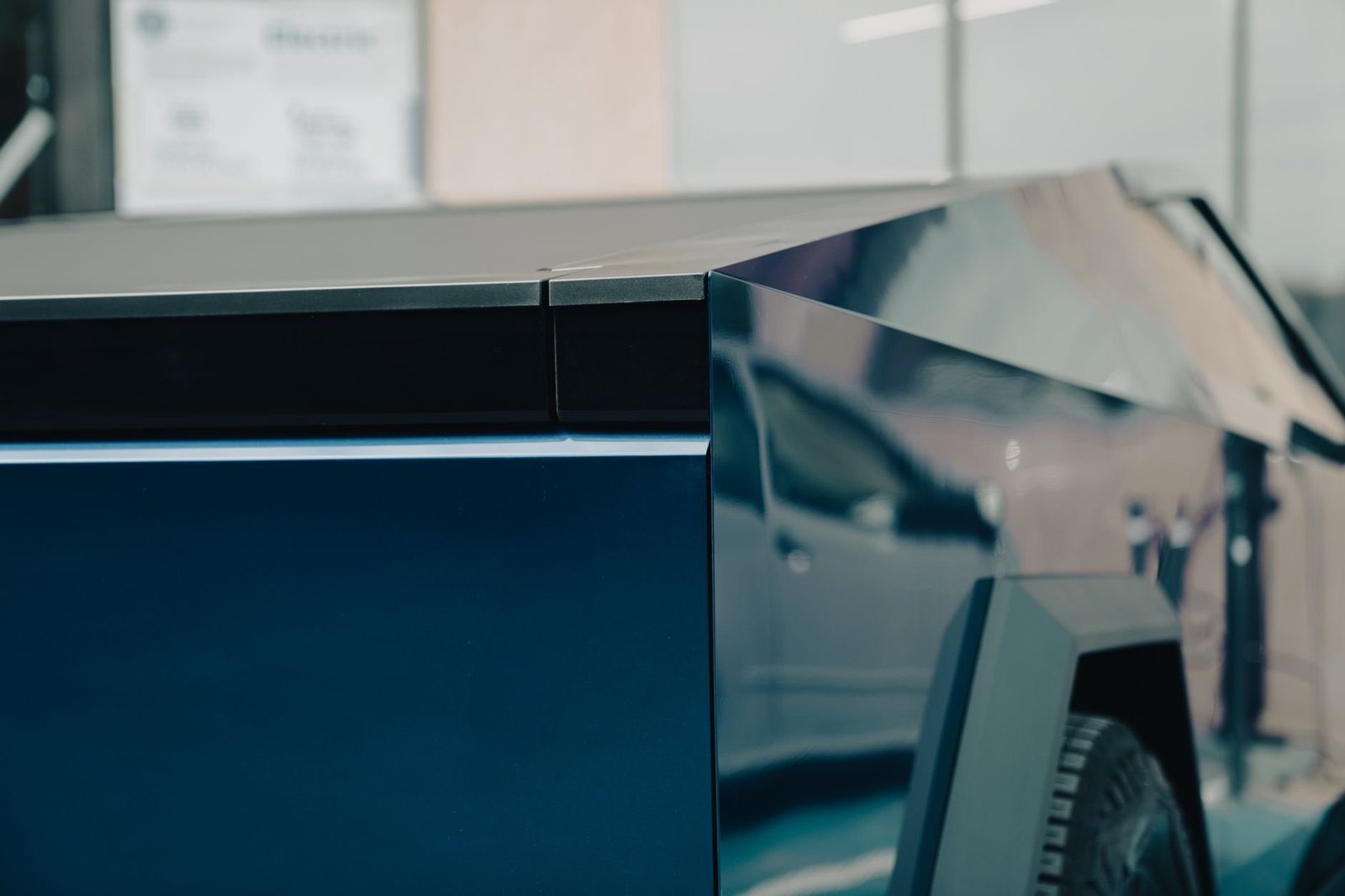

Just days into commercial service, Tesla’s new Cybercab is already drawing federal scrutiny, after the U.S. auto safety regulator opened an investigation into nearly 1,000 of the two-seater vehicles on Thursday. The move landed the same day the company began a limited deployment in Austin, Texas.
The National Highway Traffic Safety Administration‘s probe covers close to 1,000 Cybercabs, the purpose-built autonomous vehicle Tesla has positioned as the centerpiece of its ride-hailing ambitions. Regulators frequently open such reviews when a novel vehicle design reaches public roads, and the timing means the launch and the inquiry are unfolding together.
Investors reacted with disappointment. Tesla’s stock fell after the rollout proved narrower than many on Wall Street had anticipated, with only a small number of Cybercabs entering service rather than the wide-scale debut some had priced in. For a company whose valuation leans heavily on future autonomy revenue, a modest first step carried outsized weight.
The Cybercab is a two-seater built without a steering wheel or pedals, designed from the outset for driverless operation. Tesla has framed it as a lower-cost path to a robotaxi fleet, but bringing such a vehicle into paid service requires clearing both safety reviews and state-by-state approvals.
Behind the numbers, the Austin launch represents Tesla’s attempt to convert years of promises into a working commercial service. The city has become the proving ground for the company’s autonomous efforts, and a controlled start there lets Tesla gather real-world data before any broader expansion.
The regulatory path has not been smooth elsewhere. Earlier this year Tesla encountered obstacles to its robotaxi plans in California, where permitting rules for driverless passenger services remain demanding. Texas has offered a comparatively faster route to deployment, which helps explain why Austin came first.
A rider hailing a Cybercab today would find a compact, driverless pod rather than a retrofitted sedan, a design choice meant to lower operating costs once the fleet scales. That efficiency case only holds if the vehicles pass sustained safety scrutiny across the markets Tesla wants to enter.
The company now faces a dual test: satisfying NHTSA’s questions about the Cybercab fleet while demonstrating that a limited launch can grow into a viable business. Tesla is expected to expand the Austin service and pursue approvals in additional cities, though the pace will depend on how quickly regulators complete their review.