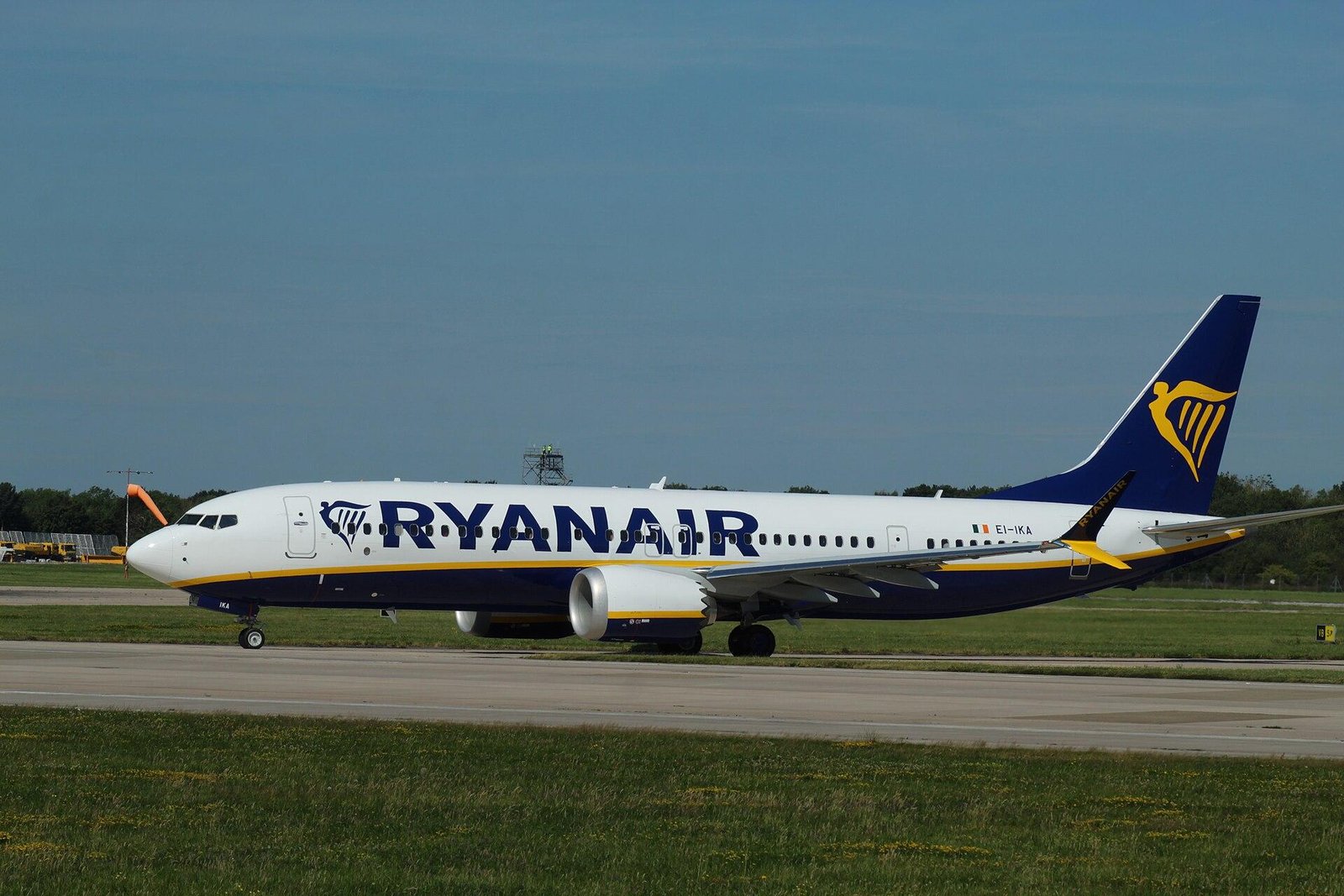

Ryanair cut its annual passenger target on Wednesday and warned that air fares across Europe will rise next year if oil prices stay high, with some carriers at risk of collapse. The Irish budget airline, the largest in Europe by passenger numbers, cited jet fuel trading at $140 (£104) a barrel.
The company lowered its target for the year to March 31 to 214 million customers, down from 216 million. The reduction is intended to limit exposure to what the carrier called “unhedged winter oil” during the unprofitable off-season, when demand falls and fuel costs weigh heaviest on margins.
Ryanair trimmed winter capacity to manage the same exposure. Airlines routinely hedge fuel purchases months in advance to lock in prices, but unhedged volumes leave carriers fully exposed to spot-market swings. At current levels, that exposure threatens the thinnest-margin routes and operators.
The warning points to the wider real-economy effect of elevated energy costs. Jet fuel prices near $140 a barrel add sharply to operating expenses across the sector, and lower-cost carriers with limited pricing power face the greatest strain.
The pressure has been building for months. European carriers have already trimmed schedules and passed higher costs to travellers, part of a broader pattern of rising jet fuel prices reshaping travel demand to Europe. Ryanair itself had earlier lifted its fare outlook on strong summer demand before the latest energy squeeze.
The company said fares would climb next year should oil remain elevated, framing higher ticket prices as the sector’s likely response to sustained fuel costs. It also warned that weaker carriers could go out of business if conditions persist through the winter.
Ryanair has not detailed the scale of the fare increases or which routes face the deepest capacity cuts. The revised passenger target represents its clearest signal yet of how the fuel market is shaping its winter plans.