
The benchmark 10-year U.S. Treasury yield has pushed decisively higher, breaking through a technical ceiling that market watchers had monitored for weeks and renewing pressure on equities as borrowing costs climb across the economy.
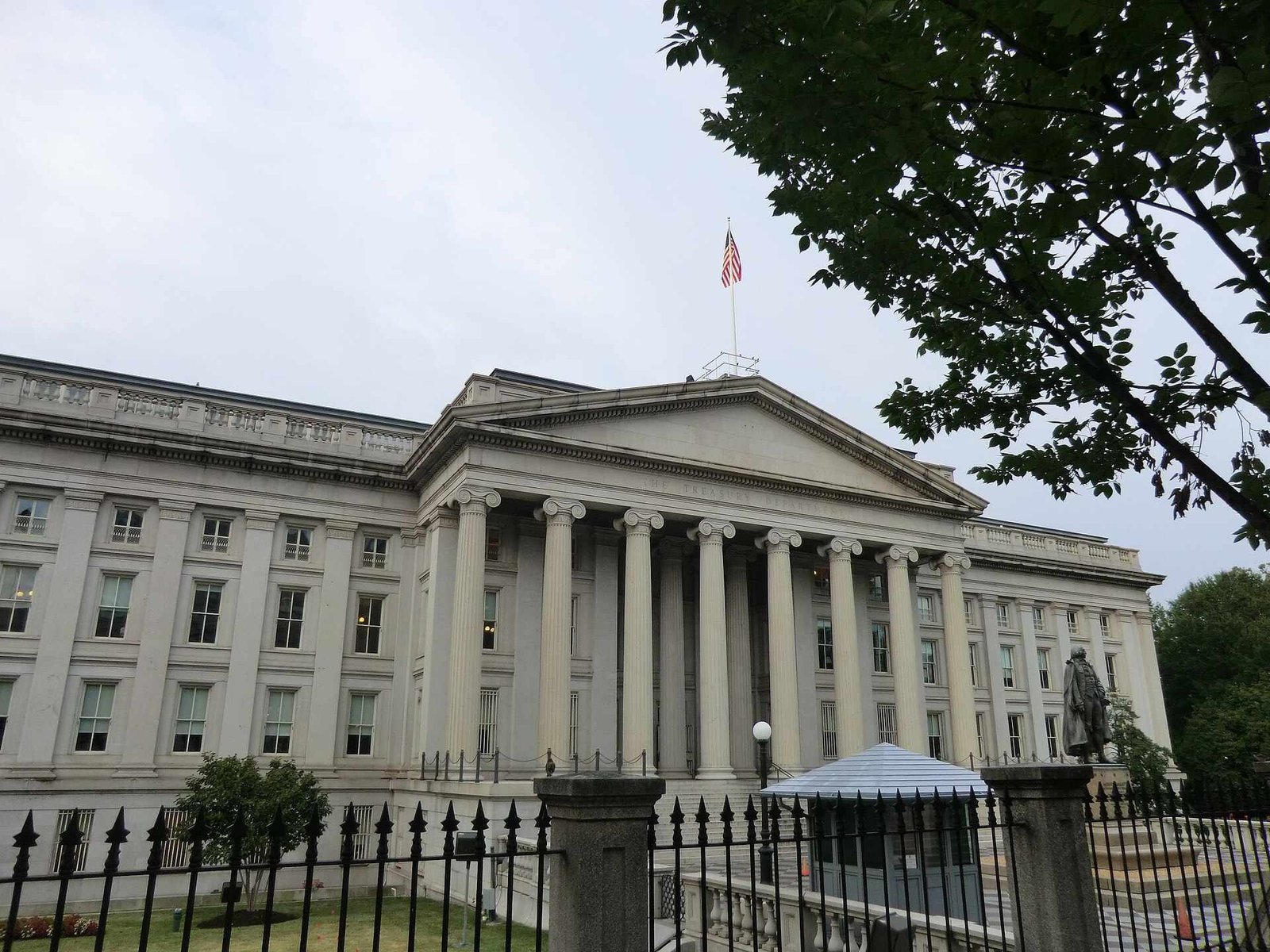
The move puts fresh scrutiny on Treasury Secretary Scott Bessent, whose department has expanded bond buyback operations in an effort to steady demand at government debt auctions. The breakout suggests those interventions have not been enough to cap the upward trend in longer-dated yields.
Analysts now argue that a return to 5% on the 10-year note may be only the start of a longer climb. The forces behind the rise extend well beyond the Federal Reserve’s continuing fight against stubborn inflation, reflecting concerns over heavy government borrowing, the sheer supply of new debt reaching the market, and shifting appetite among the large buyers who traditionally absorb it.
Rising yields carry a direct cost for equity investors. As returns on ultra-safe government bonds increase, the relative appeal of stocks weakens, and higher rates make future corporate earnings worth less in present terms. That combination weighed on share prices as the yield pushed higher.
The longer end of the market has been under strain for months. The 30-year Treasury yield recently climbed above levels last seen in 2007, part of a broader repricing that has lifted rates across maturities and rippled through global bond markets.
For households, the effect reaches far beyond Wall Street trading screens. The 10-year yield serves as a reference point for mortgage rates, auto loans, and other consumer credit, meaning a sustained move toward 5% translates into higher monthly costs for anyone borrowing to buy a home or refinance existing debt.
The Treasury’s buyback program was designed to improve liquidity and support smoother functioning in the world’s largest bond market. Whether that mechanism can hold back a determined upward trend in yields has now become a central question for traders positioning ahead of upcoming debt sales.
Should the 10-year yield clear 5% and hold, market participants expect the pressure to intensify across rate-sensitive sectors, from housing to highly leveraged companies. The path from here depends on inflation data, the pace of government issuance, and whether foreign and domestic buyers step back in at the higher levels now on offer.