
Alphabet, the parent company of Google, acknowledged potential challenges to its core advertising business as global economic uncertainty, fueled by President Donald Trump’s new trade policies and tariff adjustments, continues to create unease in the market. Although the company surpassed expectations for its first-quarter revenue, concerns about the wider macroeconomic environment dominated discussions during the earnings call.
Executives refrained from directly mentioning “tariffs,” but repeatedly referenced broader “macro” pressures, especially regarding future impacts on ad spending and business operations. Notably, the Asia–Pacific (APAC) region was identified as a potential weak point, with Alphabet Chief Business Officer Philipp Schindler stating that changes to the de minimis exemption could result in slight headwinds for advertising revenue in 2025, particularly from APAC-based retailers.
This comes in the wake of Trump’s recent executive order that significantly alters duty regulations on low-value shipments entering the U.S. Beginning May 2, imports under $800 will be subject to a 30% duty or $25 per item, with the fee increasing to $50 on June 1. This revision overturns a longstanding exemption and could strain logistics and retailer advertising budgets, especially those of prominent Chinese platforms like Temu and Shein—both major advertisers on Google properties—who have already begun cutting back on spending.
Retail, estimated to contribute at least 21% of Google’s advertising revenue, is showing early signs of pullback. When asked about advertising trends on YouTube and other platforms, Schindler stated it was too early in the second quarter to provide a clear picture but admitted that macroeconomic jitters are starting to show.
Alphabet CFO Anat Ashkenazi noted that while the company still plans $75 billion in capital expenditures for 2025, spending could fluctuate depending on construction and delivery schedules. Investments will remain focused on technical infrastructure, including servers and data centers, essential for AI and other strategic areas.
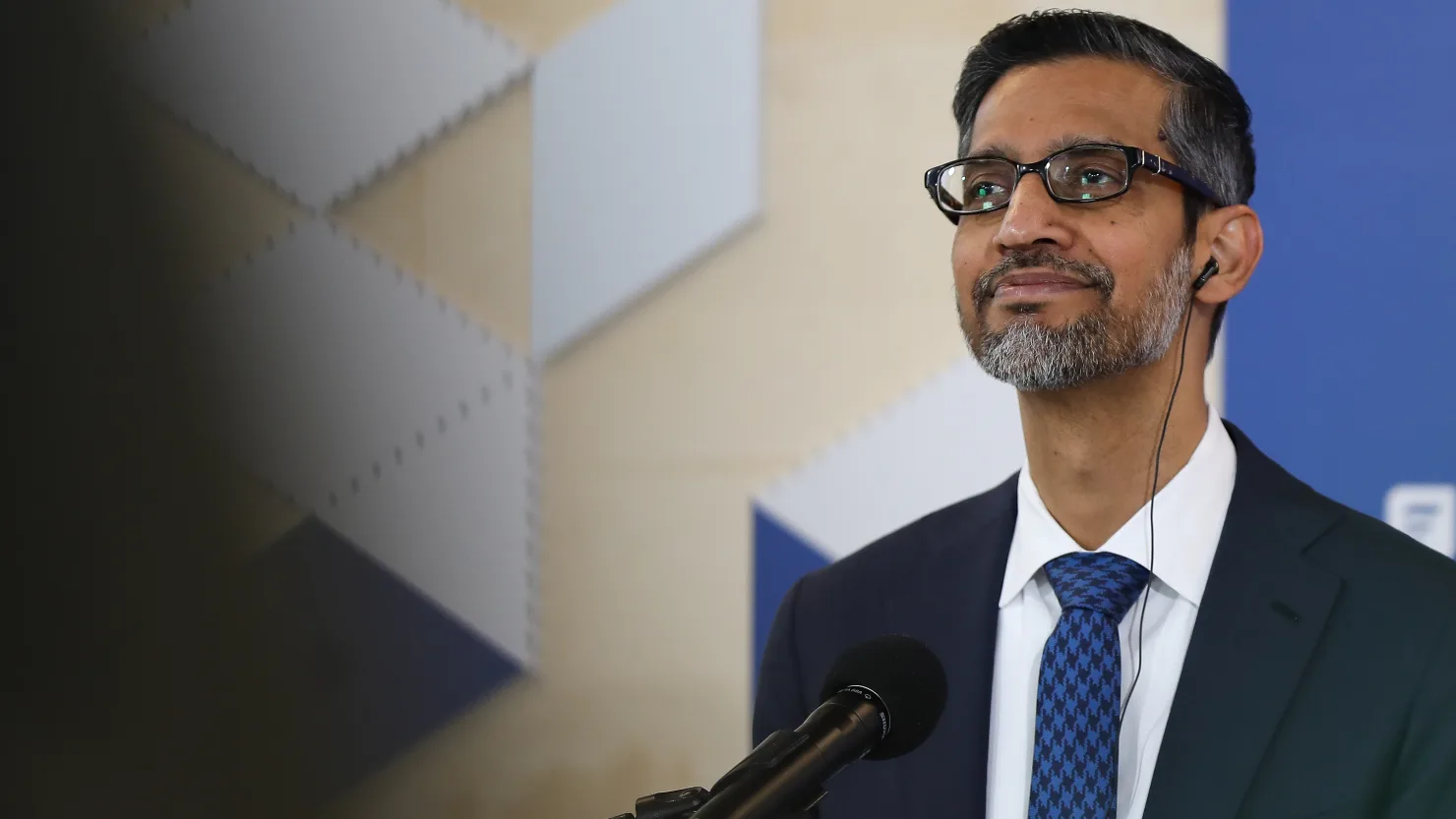
CEO Sundar Pichai emphasized Alphabet’s ongoing efforts to streamline operations, including team consolidation and cost management, to remain resilient amid volatility. He reiterated that while some expenditures are fixed, there remains flexibility to adjust as needed depending on how the macroeconomic environment evolves.
READ MORE: