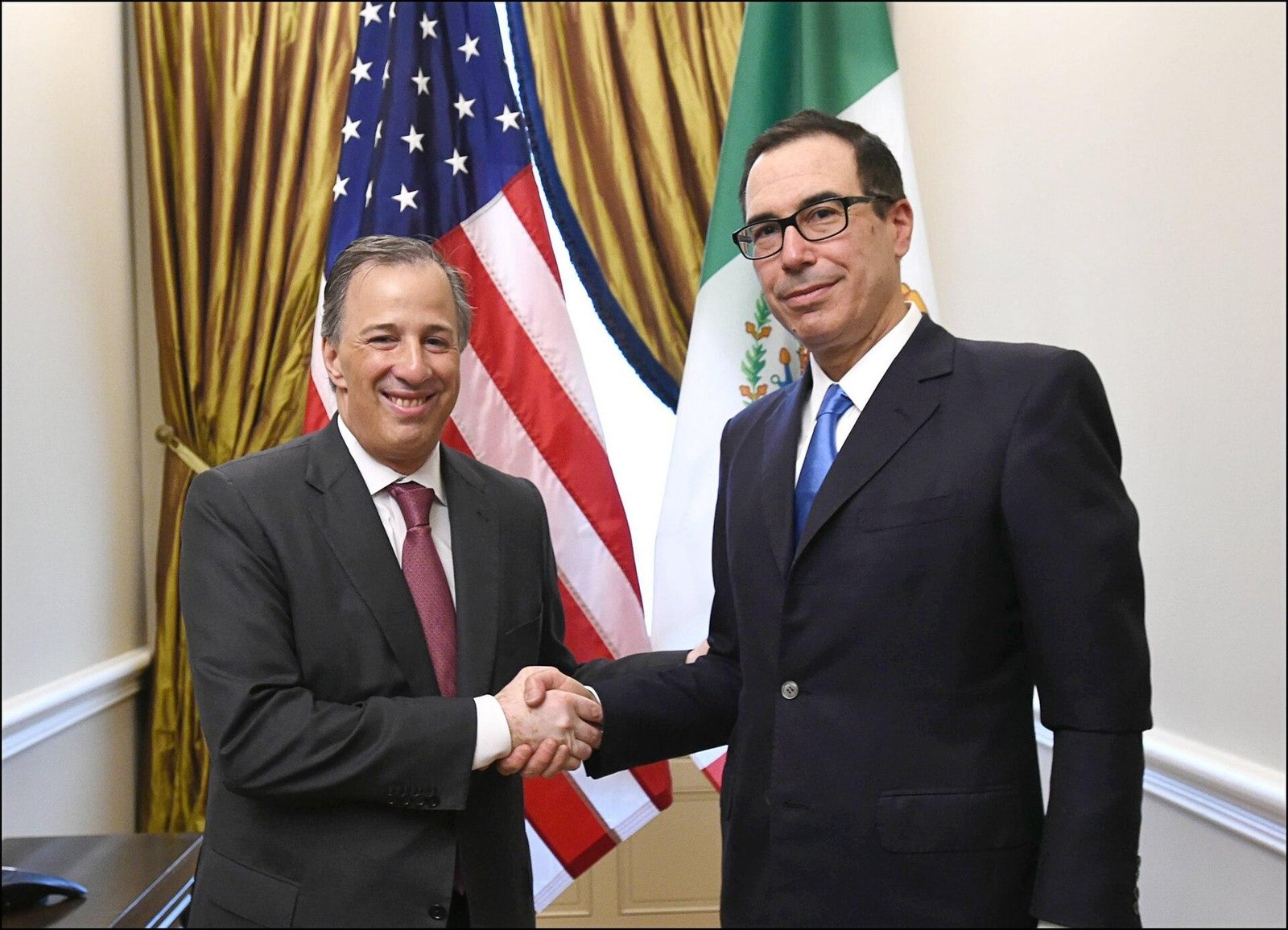

Facing surging borrowing costs, U.S. Treasury Secretary Scott Bessent moved on Tuesday to double the size of the department’s long-dated bond buybacks, an intervention aimed at steadying a government debt market showing visible strain.
The expanded program targets longer-maturity Treasuries, the securities most exposed to the recent climb in yields. By stepping in as a buyer, the Treasury hopes to add liquidity and calm price swings that have unsettled investors and pushed government borrowing costs higher in recent weeks.
The decision arrives as yields on longer-dated debt have moved sharply, raising the cost of financing the federal deficit and feeding wider unease across financial markets. Higher yields ripple outward, lifting mortgage rates, corporate borrowing costs, and the interest households pay on loans.
CNBC’s Jim Cramer said the enlarged buybacks could offer near-term relief for equities, but cautioned that the move points to deeper trouble beneath the surface. “People want to preserve the stock rally in the worst way,” he said, framing the intervention as a signal of stress rather than strength in the market for U.S. government debt.
Behind the numbers, the buybacks amount to the Treasury absorbing supply to keep the market functioning smoothly. The step follows earlier efforts to steady bond trading, part of a broader pattern in which Washington has repeatedly leaned on buybacks to ease pressure. Analysts have watched these interventions closely as a barometer of how much strain the world’s largest debt market can absorb.
For ordinary borrowers, the stakes are direct. When Treasury yields rise, the rates attached to home loans and auto financing tend to follow, making everyday credit more expensive. A calmer bond market, if the buybacks succeed, could slow that climb and ease the squeeze on households seeking to borrow.
The Treasury’s earlier decision to expand its buyback operations to steady the bond market set the template for this larger move, reflecting a sustained campaign to keep yields in check.
Whether the enlarged program can hold yields down for long depends on investor appetite for U.S. debt and the trajectory of inflation expectations. For now, the intervention buys time, but it leaves open the harder question of what happens if demand for Treasuries keeps softening and borrowing costs resume their advance.