
Leopold Aschenbrenner‘s AI-focused hedge fund, Situational Awareness, has drawn intense scrutiny after a dramatic run-up gave way to margin calls, prompting analysts to draw parallels with the collapse of Long-Term Capital Management in 1998.
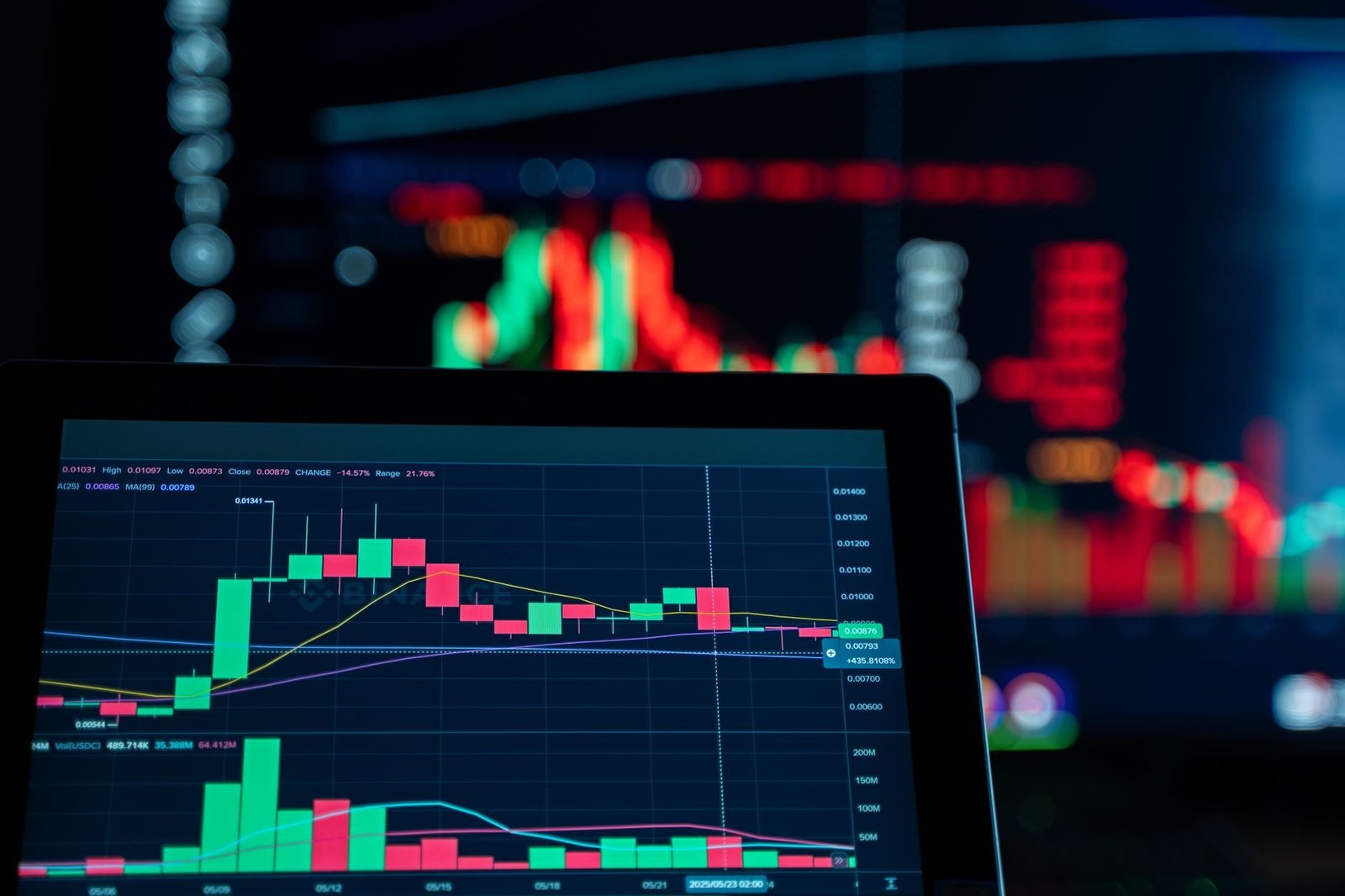
The fund had reportedly surged by as much as 439% during its rise, fueled by concentrated bets tied to the artificial-intelligence boom, before a sharp reversal forced painful deleveraging. The episode has revived long-running questions about the risks of highly leveraged, concentrated positions in fast-moving markets.
Observers have noted structural similarities between Situational Awareness and Long-Term Capital Management, the hedge fund whose 1998 implosion nearly destabilized global financial markets and prompted a Federal Reserve-orchestrated rescue. Both funds were built around confident intellectual theses, deployed heavy leverage, and ran into trouble when markets moved against crowded positions.
Long-Term Capital Management, staffed by Nobel laureates and celebrated traders, unraveled when its bets on convergence trades went sharply wrong amid a Russian debt crisis, wiping out billions in a matter of weeks. Critics of aggressive AI-era strategies argue that the same combination of intellectual overconfidence and leverage remains a persistent danger.
Aschenbrenner, a former researcher who gained prominence for his writings on the trajectory of artificial intelligence, launched the fund with a thesis centered on the transformative potential of AI. That conviction underpinned outsized positions that amplified both gains and losses.
The fund’s difficulties come amid a broader debate over whether valuations tied to the AI sector have outpaced fundamentals. Some market watchers have compared the current enthusiasm to earlier speculative periods, echoing concerns raised as the AI-driven rally has invited comparisons to the dotcom era.
Reports earlier indicated the fund had suffered a steep drawdown during a summer unwind, a period BeijingTimes previously covered when the fund reportedly sank 67% in a July unwind. The latest margin-call pressures suggest that volatility has continued to test the strategy.
Whether Situational Awareness has genuinely “blown up” remains contested, with differing accounts of the fund’s remaining capital and its ability to recover. The scale of losses and the fund’s current standing have not been independently confirmed.
The comparison to Long-Term Capital Management carries weight because of the systemic lessons that episode taught regulators and investors about the dangers of leverage and correlated bets. Unlike the 1998 crisis, however, there is no indication that the current situation poses broader risks to financial stability.
The episode is likely to intensify discussions among institutional investors about risk management in AI-themed strategies, particularly as capital continues to flow toward the sector. How Aschenbrenner navigates the coming months may serve as a case study in whether conviction-driven investing can withstand the volatility of leveraged markets.