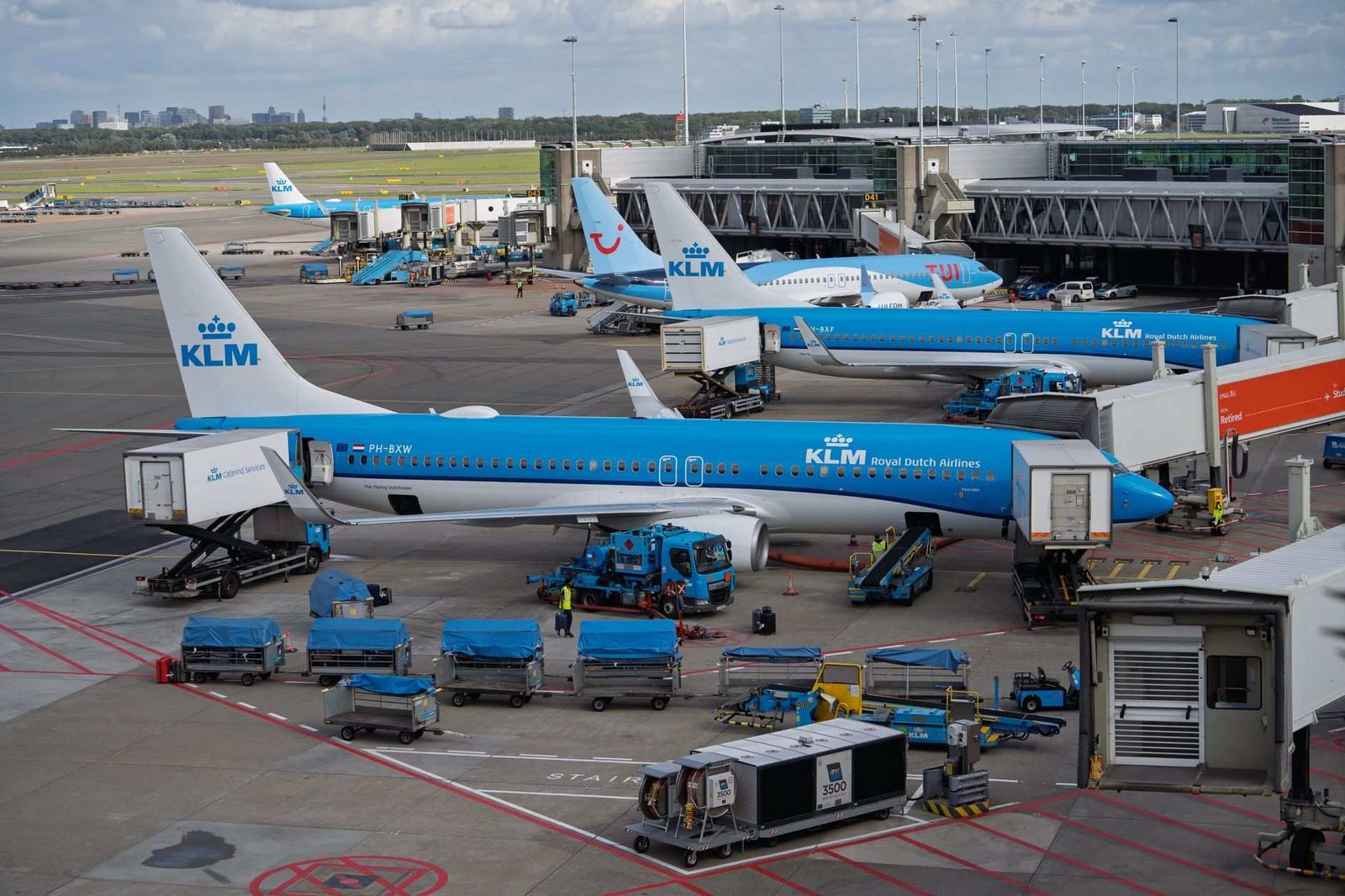

The U.S. Federal Aviation Administration has finalized a directive requiring inspections of hundreds of Boeing 737 Max aircraft, addressing concerns over structural cracks first reported in older models of the popular jet.
The rule, unveiled Thursday and taking effect September 10, applies to three Max variants — the 737-8, 737-9 and 737-8200. The agency estimates the directive covers 471 planes and is intended to address what it described as an “unsafe condition” linked to earlier reports.
No cracks have been found in these specific Max models so far. However, when the FAA proposed the rule in November, it cited reports of cracks in a forward bear strap on several older “Next-Generation” 737 aircraft. Bear straps are metal sheets that reinforce structural areas such as doorways and emergency exits.
The agency noted that the Max jets share “a similar design and build process” with the older aircraft, making them “susceptible to the same crack condition.” Left unaddressed, the issue could adversely affect the structural integrity of the airplane, the FAA warned.
Boeing said it had previously identified and reported the issue, and has been working with operators on it for the past six years. The Virginia-based manufacturer stated that it sent inspection instructions for the affected Next-Generation 737s to operators in 2019, with the FAA mandating those checks in 2021.
The company added that it had already extended those inspections to Max jets, and the latest directive now similarly requires that process. “We support both directives and continue to support our airline customers,” Boeing said.
This development comes as the manufacturer continues to navigate heightened regulatory scrutiny of its best-selling aircraft family. Earlier this year, regulators flagged installation flaws affecting seating on hundreds of the same jets, part of an ongoing series of directives targeting the 737 Max line.
The Max program has faced years of challenges, including two fatal crashes that grounded the fleet worldwide and prompted sweeping reviews of Boeing’s manufacturing and certification practices. Regulators have since imposed a steady stream of inspection mandates and production oversight measures.
Wall Street has watched Boeing’s recovery closely, with the company’s shares testing key resistance levels in recent trading as investors weigh operational stability against continued regulatory demands.
The inspections are expected to proceed once the rule takes effect in September, with airlines operating the affected aircraft required to conduct checks within timelines specified by the agency.