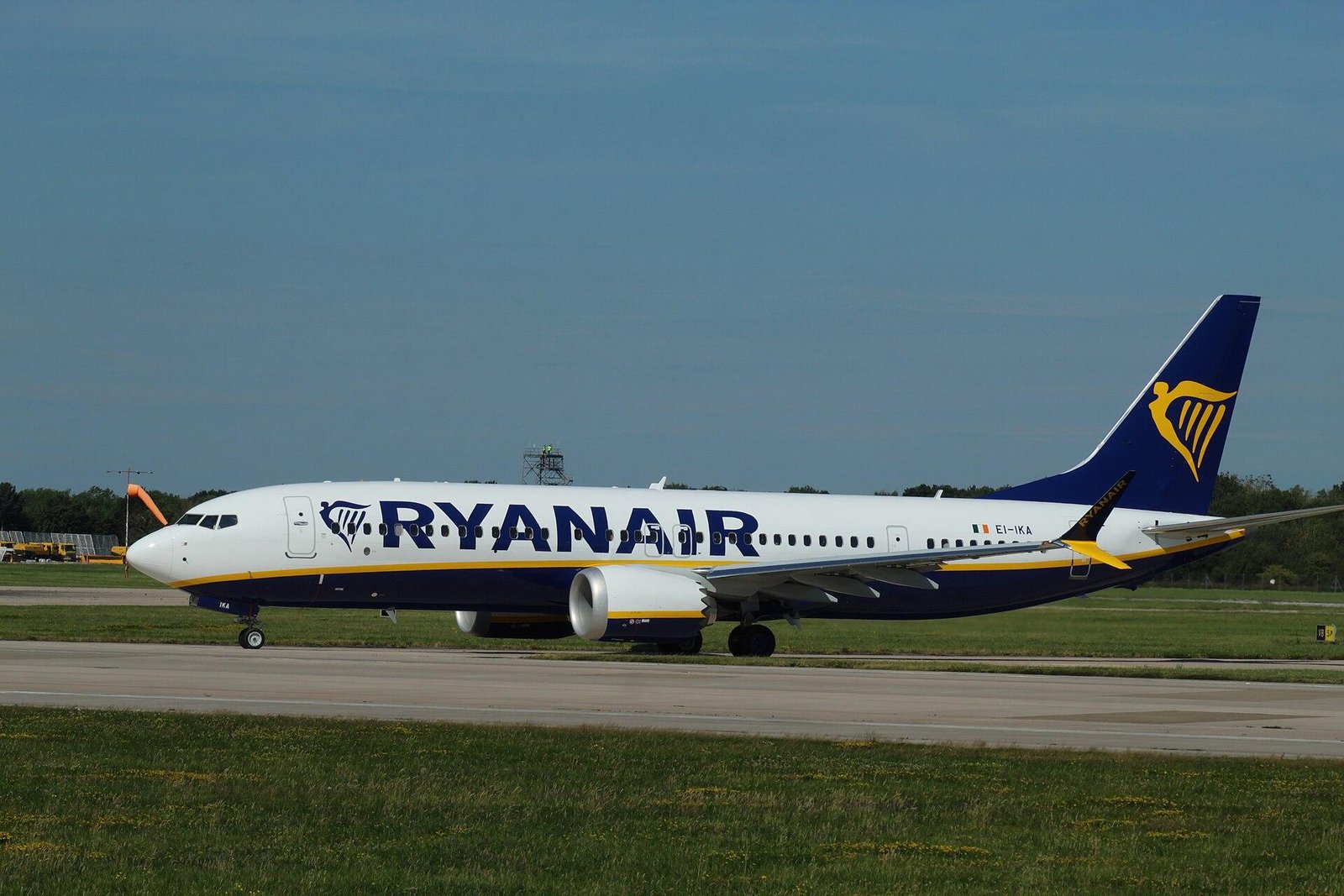

Ryanair chief executive Michael O’Leary warned at the airline’s annual general meeting in Dublin that airfares could rise sharply next year if oil prices remain elevated. The comments came as Ryanair’s U.S.-listed shares trade near a one-year low.
“If oil prices remain high into next year, I think there will be a substantial uplift in airfares, and we would hope to avoid that,” he said, according to CNBC. He added that fares should be modestly lower in the July-to-September quarter, but that the December and March quarters remain unpredictable.
Ryanair, Europe’s largest low-cost airline, sells cheap base fares and earns extra revenue from seat choices and priority boarding, a model that depends on high passenger volume and low costs. Fuel is one of its largest expenses. The airline has guaranteed no extra fuel charges, but O’Leary said fares may still climb if competitors raise prices first.
Brent crude has moved above $100 a barrel amid the conflict between the United States and Iran, and jet fuel has climbed to about $140 a barrel. The airline entered the price surge with a strong hedge that locks in fuel costs in advance. Ryanair has secured 80% of its fuel needs through the end of March 2027 at about $67 a barrel, and locked in a further 15% at $85 a barrel for the 2028 fiscal year — both below current spot prices.
O’Leary said Ryanair is “better hedged than almost any other airline in Europe.” The airline’s unhedged fuel has more than doubled in price, prompting it to reduce winter flying. It cut its full-year passenger target to 214 million from 216 million, a move it expects to reduce winter losses by €70 million to €100 million (approximately $75 million to $107 million).
The profit squeeze was already showing. First-quarter profit after tax fell 34% to €538 million (approximately $577 million), even as traffic rose 6%. O’Leary said less-hedged rivals could struggle to keep capacity, or even survive the winter, if high fuel prices continue.
Ryanair’s earlier profit results and its warning that European fares would rise this year set the backdrop for the latest guidance, with the airline having previously flagged jet fuel prices near $140 a barrel as a pressure on the sector.
The U.S.-listed shares trade near $53, down about 26% for the year and close to their 52-week low of $53.14, well under the 52-week high of $74.24. Fares for the July-to-September quarter are set to be modestly lower year over year, while winter pricing stays unclear.