
The prolonged closure of the Strait of Hormuz is set to erode global oil consumption by 1.6 million barrels a day in 2026, the International Energy Agency warned, as elevated fuel prices and disrupted supply chains squeeze the world economy.
The IEA attributed the projected decline to a combination of demand destruction from high energy costs and the ongoing blockage of the world’s most critical oil chokepoint, through which roughly a fifth of global crude supply typically flows.
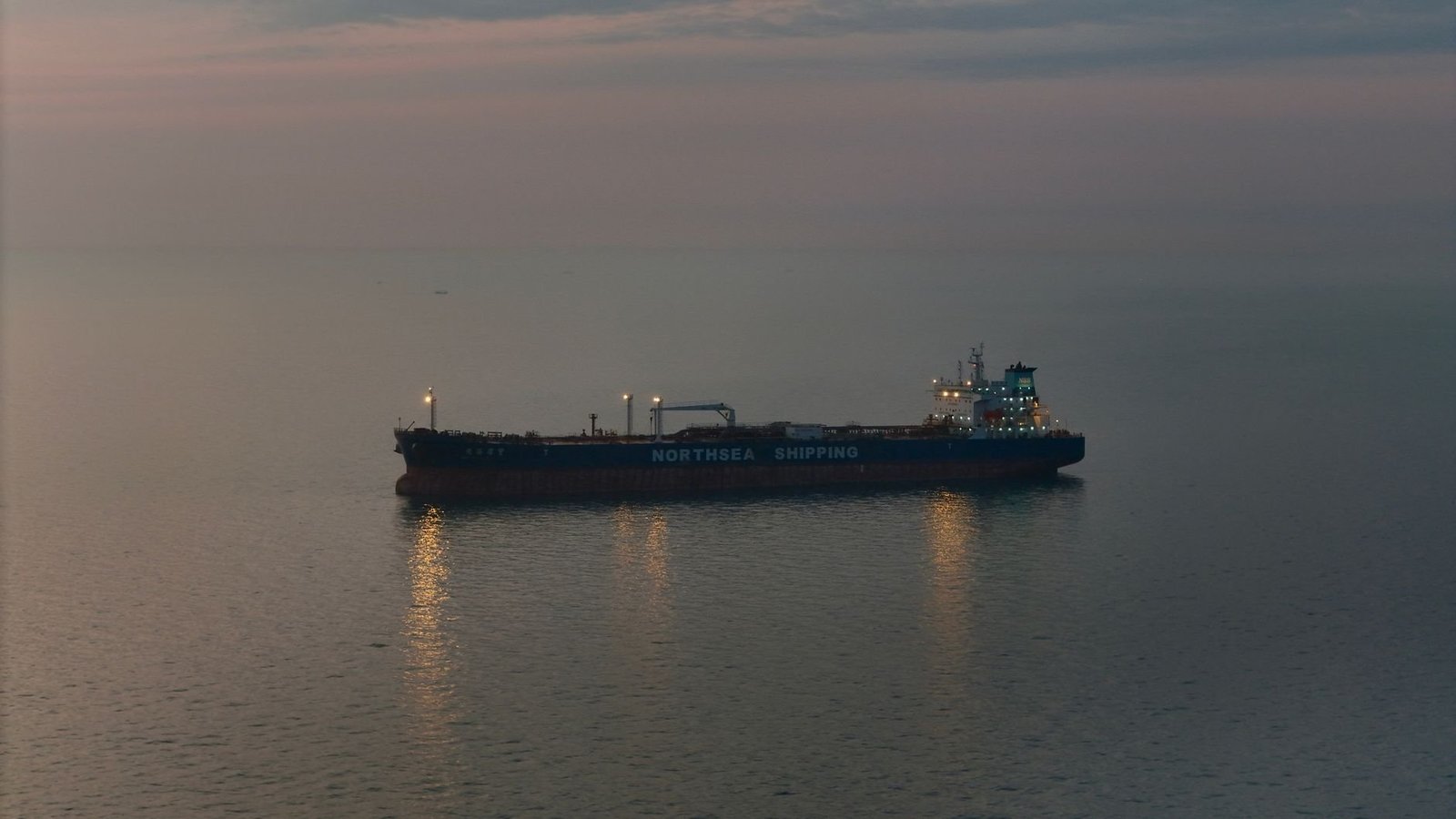
The forecast underscores the mounting economic toll of a standoff that has kept the strait shut and rattled energy markets for weeks. Shipping traffic through the corridor has collapsed as tankers avoid the route amid stalled diplomacy between Washington and Tehran.
Iran has rejected a claim by U.S. President Donald Trump that the United States now “controls” the strait, insisting the waterway will remain closed until Washington meets its conditions. Tehran said the closure would stay in place until the U.S. changes its “behaviour” and addresses Iranian demands, without specifying a timetable for reopening.
The competing statements reflect the wide gap between the two sides, even as global energy prices climb and pressure builds for a resolution. Earlier signals that a deal could be reached quickly have repeatedly given way to renewed deadlock.
The disruption has driven a sustained rally in crude, with prices remaining elevated as buyers scramble to secure alternative supplies. The strain has spread beyond oil into broader markets, with equities coming under pressure as investors weigh the risk of a protracted shutdown. The situation has intensified since shipping volumes through the corridor fell sharply when talks broke down.
For major importers across Asia, the closure poses acute risks. Economies that depend heavily on Gulf crude face higher input costs and potential supply shortfalls, adding to inflationary pressures already weighing on consumers.
The IEA’s demand outlook suggests the economic damage could persist well into next year even if the strait reopens, as sustained high prices reshape consumption patterns and accelerate a shift toward alternative fuels.
Diplomatic efforts to end the impasse continue, though neither side has signaled a breakthrough. The path forward remains uncertain, with global energy security hinging on whether Washington and Tehran can bridge their differences in the coming weeks.