
In a fresh sign of how deeply capital is flowing through the artificial intelligence sector, Anthropic has agreed to a $35 billion cloud computing deal with Lambda, a company backed by chipmaker Nvidia, according to a person familiar with the arrangement. The agreement was reported on Wednesday.
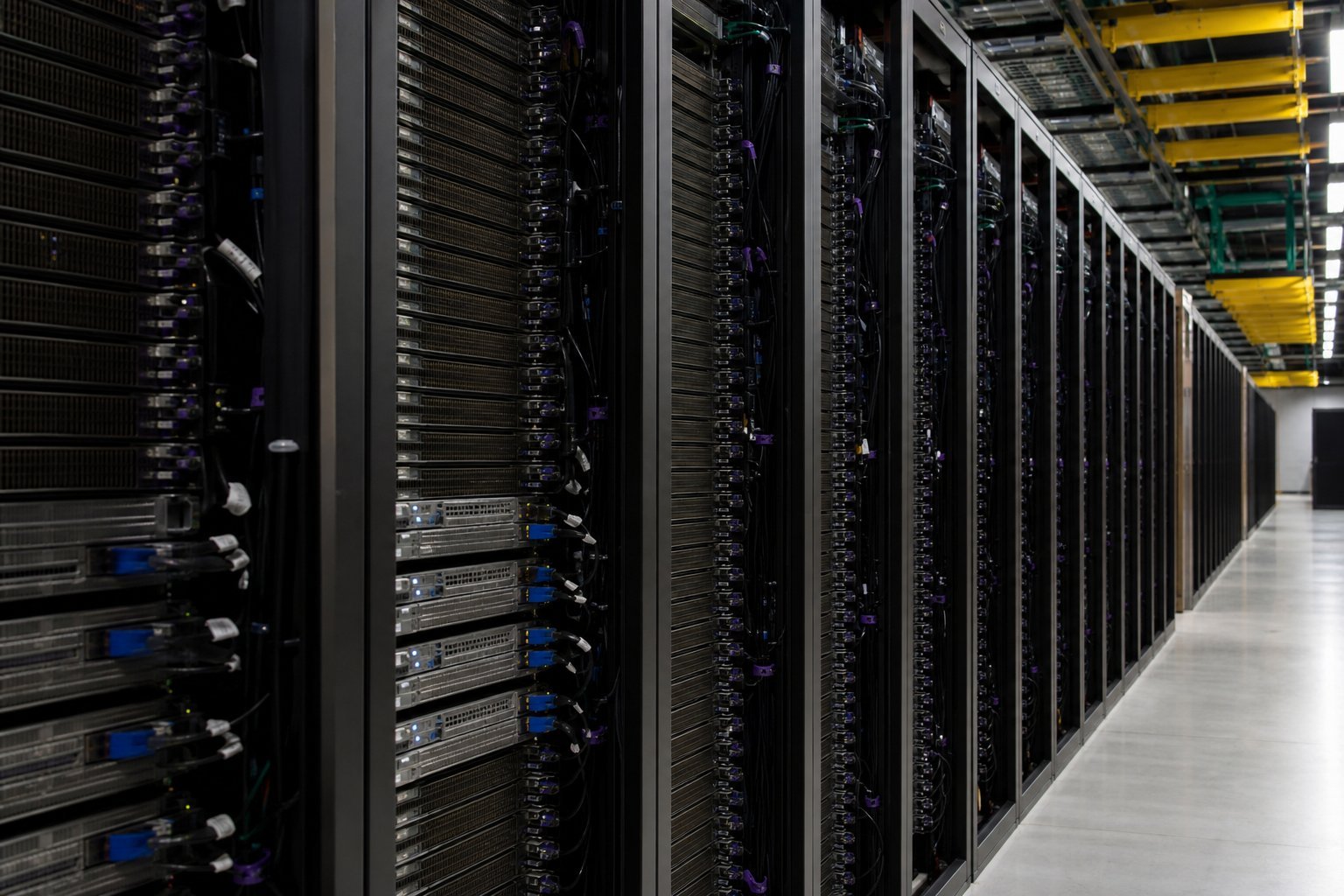
The multiyear contract gives Anthropic access to substantial computing capacity needed to train and run its Claude family of AI models. Lambda operates data centers built around Nvidia graphics processors, the specialized chips that have become the standard hardware for developing large language models.
The transaction adds to a rapid series of compute commitments by Anthropic, the AI developer founded by former OpenAI staff. The company has been securing capacity from multiple providers to keep pace with demand, having earlier struck a $45 billion cloud arrangement with Nscale and a separate multibillion-dollar agreement with Riot Platforms.
The Lambda deal has drawn attention because of the tangled web of relationships running through the AI industry. Nvidia sells chips to Lambda, holds a stake in the company, and has also invested in Anthropic itself. Critics have described such arrangements as “circular financing,” where money and hardware cycle between a small group of firms that both supply and buy from one another.
Executives involved in these deals reject that characterization, arguing the commitments reflect genuine, contracted demand for computing power rather than accounting sleight of hand. Nvidia has repeatedly said its customer base is broad and that its investments are separate from its sales.
Behind the numbers, the scale of these agreements reflects the enormous cost of building and operating advanced AI systems. Training a single frontier model can require tens of thousands of processors running for months, and the electricity, cooling, and real estate involved push capital requirements into the tens of billions.
For the wider technology sector, the pattern of overlapping investments and supply deals has become a point of debate among investors weighing whether AI spending reflects durable business or a self-reinforcing bubble. Nvidia’s valuation has climbed sharply as it sits at the center of nearly every major AI infrastructure agreement.
For businesses and consumers who use tools built on models like Claude, the practical stakes are straightforward: more secured computing capacity means faster, larger, and more widely available AI services in the months ahead, provided the underlying financing continues to hold together as the sector expands.