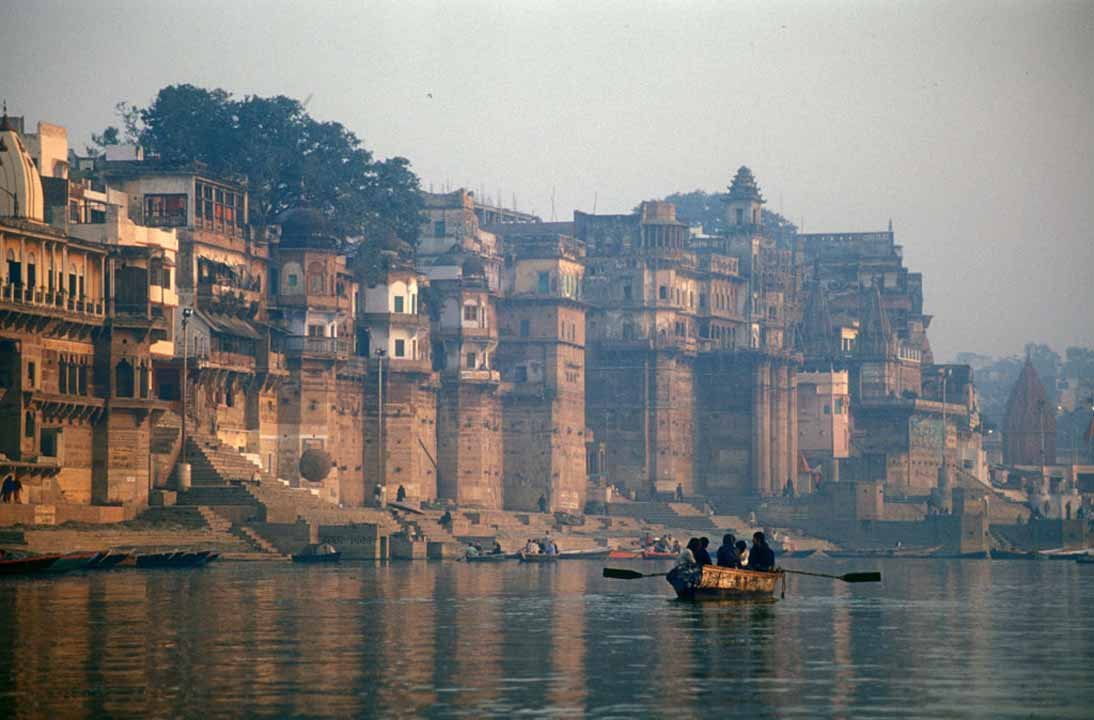

The Ganga River, also known as the Ganges, holds immense significance to Hindus both in India and around the world. Considered the most sacred river by Hindus, it is deeply embedded in Hindu mythology, religious practices, and cultural beliefs. It is not just a river for Hindus but a symbol of life, purity, and divinity.
Hindus believe the Ganga to be a living goddess, Ma Ganga, who descended from heaven to cleanse the sins of mankind. According to Hindu mythology, the river originates from the locks of Lord Shiva, one of the principal deities in Hinduism. Bathing in the Ganga is believed to wash away sins and help attain moksha, liberation from the cycle of birth and rebirth. The water of the Ganga, or ‘Gangajal’, is considered exceptionally pure and is used in religious rituals and ceremonies.
The Ganga also holds a central place in Hindu culture. It is mentioned in ancient Hindu scriptures like the Vedas and the Puranas. The river is a common theme in Hindu art, music, and literature. Numerous festivals and pilgrimages are associated with the Ganga, such as the Kumbh Mela, which is held every twelve years and attracts millions of devotees from around the world.
The reverence for the Ganga extends beyond the borders of India to the global Hindu diaspora. Hindus living outside India often bring back water from the Ganga for use in religious ceremonies. Temples outside India also try to replicate the significance of the Ganga by consecrating water bodies within their premises. Despite the physical distance, the Ganga remains a symbol of spiritual connection and cultural identity for Hindus worldwide.
The Ganga is facing severe environmental challenges, including pollution and over-extraction of water. This has raised concerns among Hindus worldwide, leading to various efforts to clean and preserve the river. For many Hindus, saving the Ganga is not just an environmental imperative but a religious and cultural duty.
The Ganga River holds immense significance for Hindus in India and around the world. It is a symbol of life, purity, and divinity, deeply embedded in Hindu mythology, religious practices, and cultural beliefs. Despite facing environmental challenges, the Ganga continues to be revered and preserved by Hindus worldwide as a symbol of their spiritual and cultural identity.
READ MORE: