
Perched above the kilometre-wide crater of Rano Kau on Easter Island, I gaze down at a lake thick with green algae, my guide, Hanga Eka, sharing tales of bloody wars and UFO sightings. It feels surreal to be on one of the world’s most remote inhabited islands, 3,540km off the coast of Chile, annexed by the South American country in 1888.
Traveling to Rapa Nui involves a flight from Santiago, Chile, on Latam Airlines, the sole airline serving the island. The airport, with its thatched roof and bird motifs, immediately gives a sense of Polynesia, reflecting the island’s roots traced back to settlers arriving between 400AD and 800AD. This small triangular island was isolated until Dutch explorer Jacob Roggeveen stumbled upon it on Easter Day, 1721.
In Hanga Roa, the island’s only town where 95% of its 8,000 inhabitants live, one finds a mix of low buildings, tour agencies, restaurants, and vibrant markets. At Holy Cross Church, the integration of local culture is evident with the Virgin Mary statue wearing a crown of birds and hymns sung in the Rapa Nui language.
My stay at Explora Rapa Nui lodge, 6.5km northeast of Hanga Roa, offers sea-view rooms, fresh meals, and daily guided excursions like hiking, biking, and snorkeling. For more autonomy, visitors can rent cars or bicycles to explore the 164 sq km island, though the roads can be challenging.
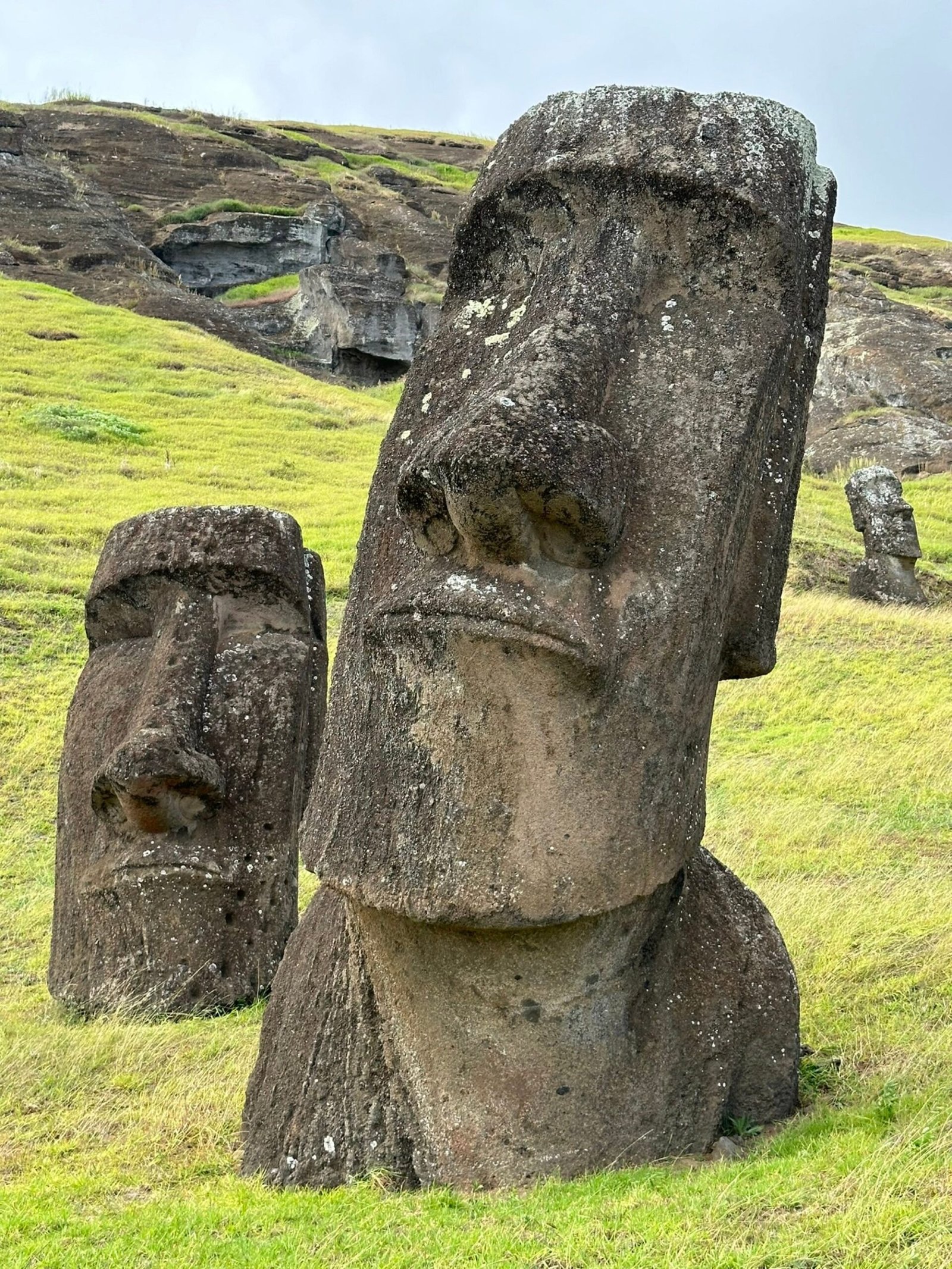
Hiking through the Rano Raraku quarry, where the iconic moai statues were carved, reveals these impressive figures in various states of completion. Each moai, averaging 12.5 tonnes, represents a leader watching over their village. The mystery of how these statues were transported remains, with theories suggesting a rocking motion enabled them to “walk.”
My hiking adventures replace planned snorkeling due to unsafe sea conditions. These excursions, guided by experts like Ricky Clementi and others, offer profound insights into Rapa Nui’s culture and history. The island’s landscape, with piles of rocks that served as boat-shaped sleeping structures or observatories, tells a story of ancient ingenuity.
Easter Island’s history of struggle, from wars to diseases, saw its population dwindle to 111 by 1877. Yet, the islanders’ resilience and connection to their heritage have grown, especially since the world took notice of moai statues in a 1962 National Geographic feature. Tourism, now reaching 100,000 visitors annually, has rekindled a cultural renaissance.
At sites like Ahu Akivi, restored moai stand as silent witnesses to the island’s past. Guides like Isabel Icka share how modern generations feel a deeper connection to these ancient symbols than ever before. The mysteries of Rapa Nui, from the origins of its settlers to unexplained sightings, continue to intrigue and captivate, making it a perfect destination for those who love a good enigma.
READ MORE: