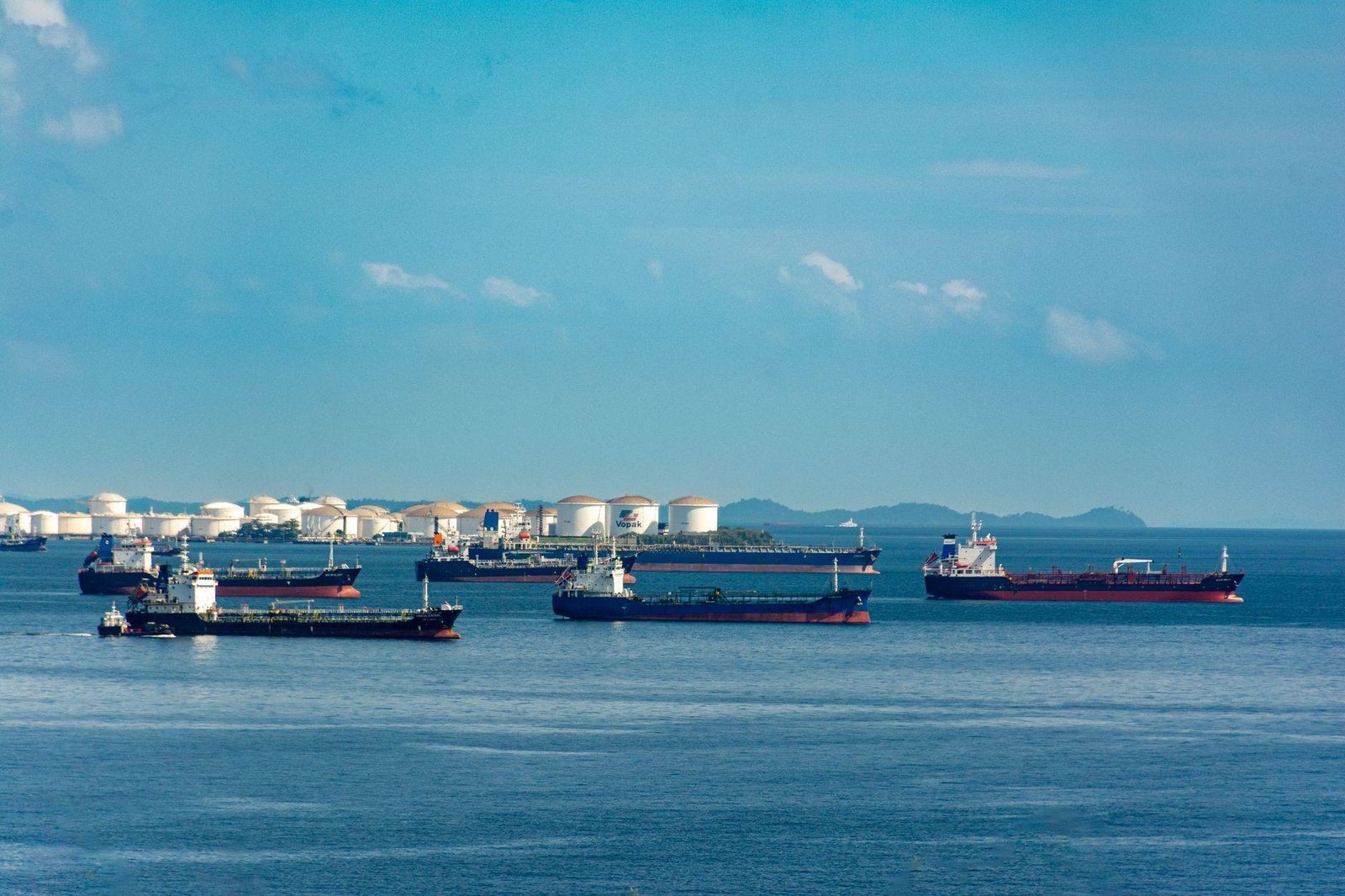

The United Arab Emirates has accused Iran of launching a missile strike against a vessel operated by the Abu Dhabi National Oil Company (ADNOC) in the Strait of Hormuz, marking a sharp escalation in a confrontation that has left one of the world’s most vital shipping corridors on edge.
The Emirati government said the attack targeted one of its ships as it transited the narrow waterway, through which roughly a fifth of the world’s oil supply passes. Officials characterised the incident as a direct assault on commercial shipping and civilian energy infrastructure.
Iran has not confirmed responsibility for the strike. Tehran’s military reiterated that the strait would remain closed to normal traffic until Washington accepts its conditions, framing the closure as leverage in its wider standoff with the United States.
The strait, a chokepoint between the Persian Gulf and the Gulf of Oman, has become the focal point of intensifying friction between Iran and the United States. The latest incident adds to a series of maritime attacks and disruptions that have unsettled global energy markets in recent months.
The confrontation follows earlier flashpoints in the region, including a period when Iran moved to shut the waterway amid attacks and a US naval blockade. Multiple tankers have been struck in separate incidents near the strait, deepening concerns among shipping operators and insurers.
ADNOC is among the largest energy producers in the Gulf, and any threat to its fleet carries significant implications for regional supply and international oil prices. The targeting of an Emirati vessel also risks drawing additional Gulf states more directly into the dispute.
The United States maintains a substantial naval presence in the region and has repeatedly warned Iran against interfering with freedom of navigation. Tehran, in turn, has insisted that its actions are a response to sustained pressure and sanctions.
The clashing narratives echo previous episodes in which Washington and Tehran offered conflicting accounts of both talks and maritime incidents, complicating efforts to de-escalate.
Energy analysts continue to monitor the strait closely, as any prolonged disruption could ripple through global markets already sensitive to supply uncertainty.
While specific details of the strike remain limited, the incident underscores the fragility of the standoff. Whether it triggers a broader military response or renewed diplomatic contact will depend on how both Washington and Tehran choose to proceed in the days ahead.