
Qatar warned on Tuesday that a prolonged conflict between the United States and Iran risked an “industrial catastrophe” for the Gulf, as oil prices climbed on fears of a wider war.
Brent crude and West Texas Intermediate both extended gains after the U.S. and Iran traded strikes over the weekend. Traders priced in the possibility of a drawn-out confrontation centred on the Strait of Hormuz, the shipping channel through which roughly a fifth of global oil passes.
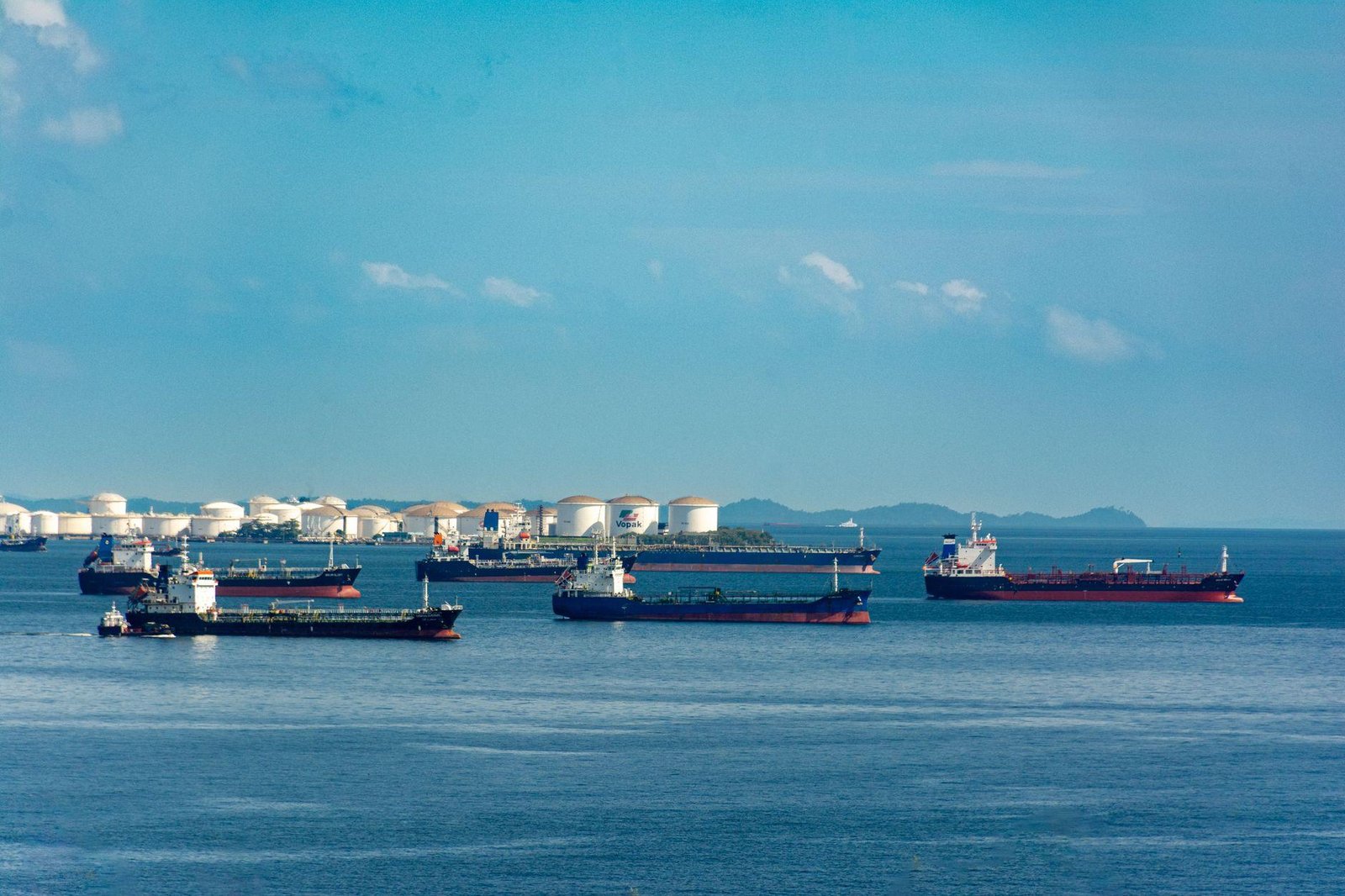
Vessel movements through the waterway have thinned to their lowest level in months. An average of 10 ships transited the strait daily over the past 10 days, according to data from Kpler, the weakest flow since May. The drop reflects owners rerouting or holding tankers back rather than risk passage.
The reduced traffic follows weeks of disruption that has cut deep into normal volumes. Earlier this year, tanker movements through the channel fell by around 95 percent as strikes and warnings kept commercial operators away.
Iran’s foreign ministry directed criticism at Canada after Ottawa condemned what it called Tehran’s “destabilizing actions” in the Middle East. Canada said it would work with partners to maintain pressure on Iran, backing the U.S. position. Tehran rejected the statement and accused Canada of endorsing foreign intervention in the region.
Qatar, a major liquefied natural gas exporter, ships almost all of its cargoes through Hormuz. Doha said continued hostilities threatened energy infrastructure and supply chains across the Gulf, with consequences reaching well beyond the immediate combatants.
The weekend exchange between Washington and Tehran ended a fragile pause and raised the prospect of further military action. Both sides have signalled they are prepared to respond to additional strikes, leaving shipping insurers and energy markets bracing for more volatility.
Gulf producers rely on Hormuz for the bulk of their crude and gas exports, and no viable alternative route exists for most of that volume. A sustained closure would force buyers in Asia and Europe to seek supply elsewhere at higher cost.
Diplomatic contacts have continued in parallel, with Qatar among the states attempting to open channels between the two governments. No date has been set for formal talks.