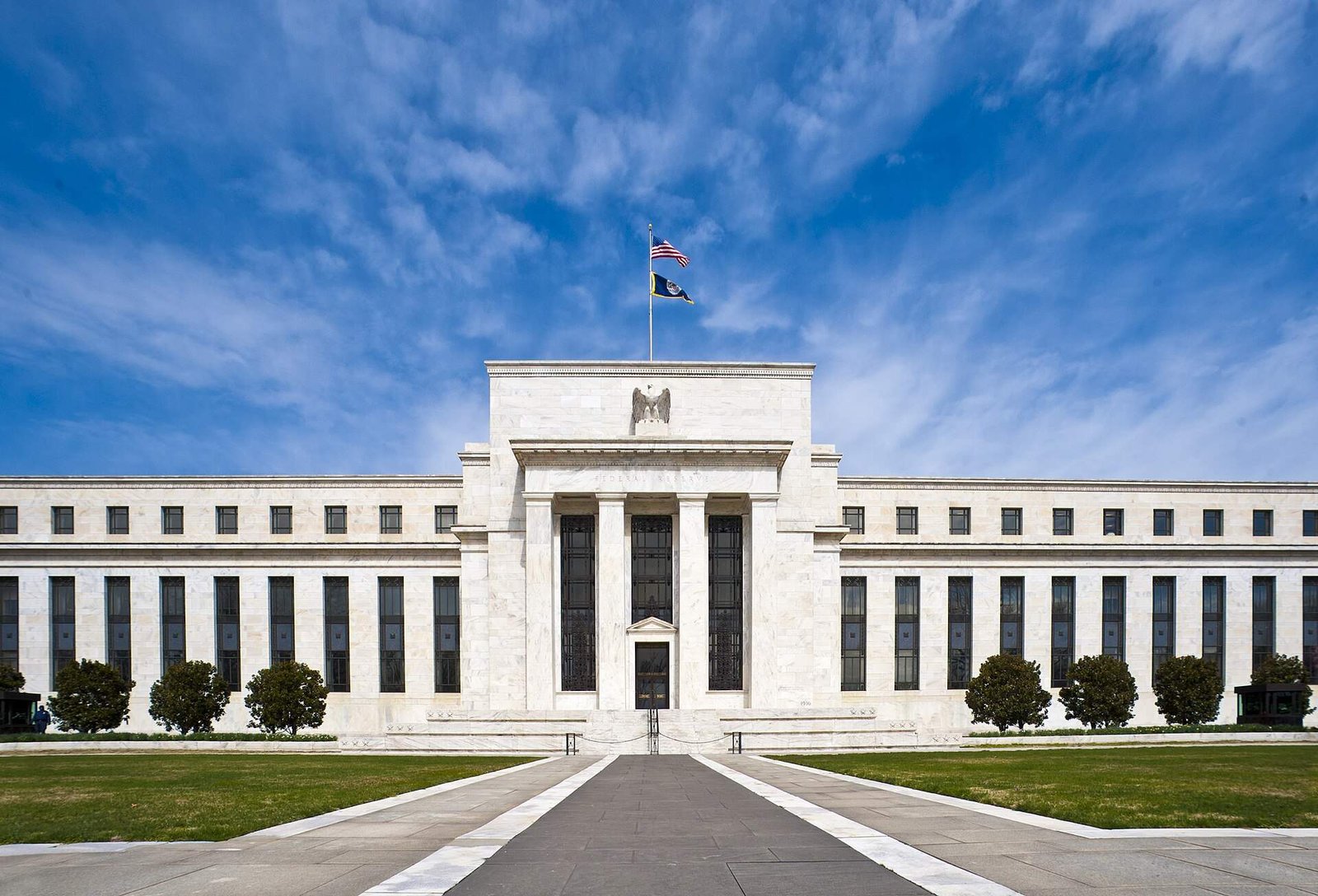

Rising U.S. Treasury yields are delivering a pointed message to Federal Reserve Chair Kevin Warsh, reflecting deepening investor anxiety over inflation and uncertainty about whether the central bank will translate its firm rhetoric into decisive action on interest rates.
The upward move in yields, most pronounced at the longer end of the curve, suggests bond investors remain skeptical that inflation is fully under control heading into 2026. Higher yields typically indicate that markets are demanding greater compensation for the risk that price pressures will persist.
Warsh has framed his approach to inflation in blunt terms, signaling that the Fed intends to hold a hawkish line until price stability is firmly restored. That posture has become the central question for markets weighing the path of borrowing costs over the coming year.
The tension centers on credibility. Investors are watching closely to see whether tough talk from the Fed leadership will be matched by policy decisions, particularly as debates continue over the pace of any rate cuts and the ongoing reduction of the central bank’s balance sheet.
Treasury yields serve as a real-time barometer of market expectations. When yields climb despite signals of monetary restraint, it can reflect concern that inflation may prove stickier than official projections suggest, or that fiscal pressures will keep long-term rates elevated regardless of Fed policy.
The dynamic echoes broader debates within the central bank, where officials have increasingly weighed the interplay between rate decisions and quantitative tightening. Analysts have noted that the focus on long-end yields under the current Fed leadership underscores how difficult it has become to steer both tools simultaneously.
For businesses and consumers, the direction of Treasury yields carries direct consequences, influencing everything from mortgage rates to corporate borrowing costs. Sustained increases could tighten financial conditions even without formal action from the Fed.
The 2026 outlook for interest rates now hinges in large part on how markets interpret the central bank’s next moves. A failure to align policy with its stated commitment to fighting inflation could further unsettle investors and push yields higher.
As the Fed weighs its options in the months ahead, the bond market’s signals are likely to remain a decisive factor. Whether Warsh’s inflation stance holds firm or bends under economic pressure will shape not only rates but the broader trajectory of financial conditions in the year to come.