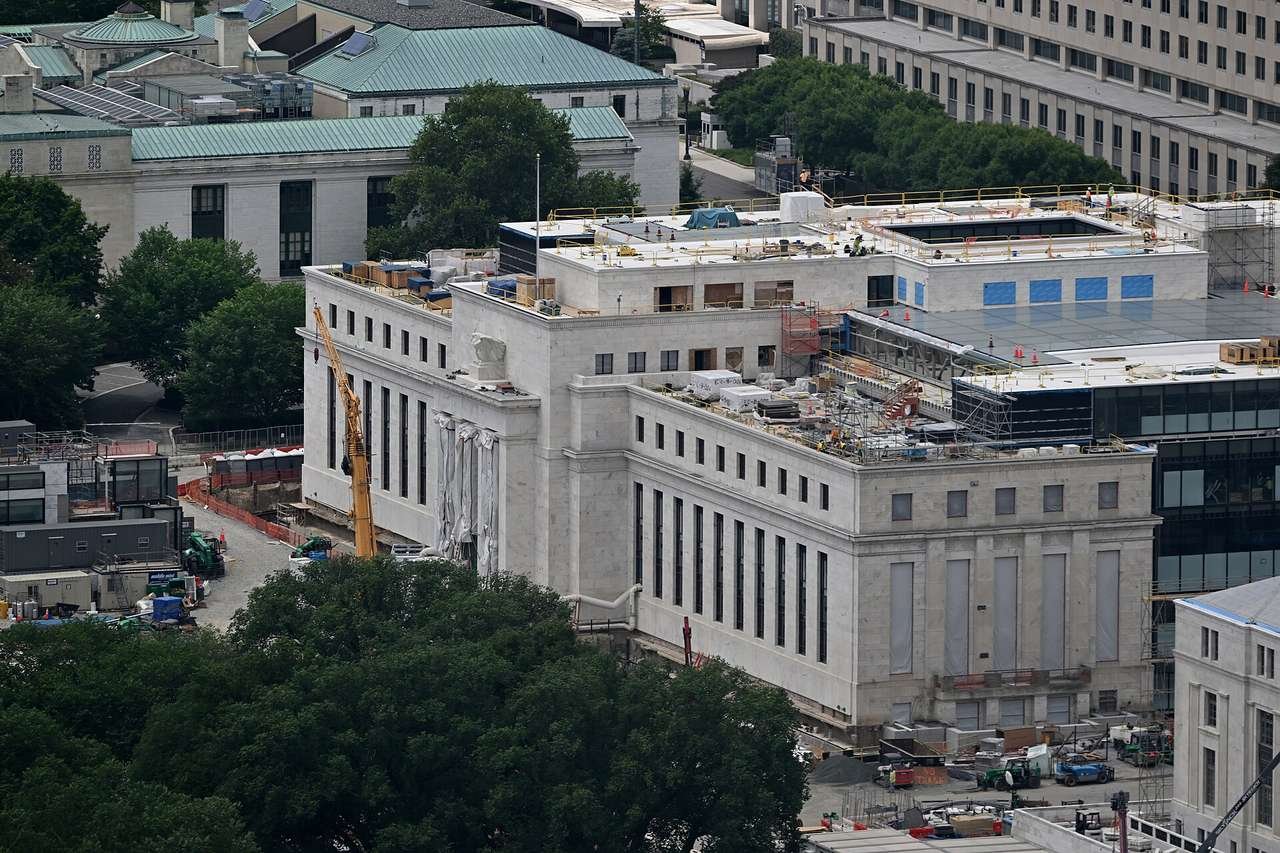

Federal Reserve officials indicated they would be prepared to raise interest rates if inflation fails to moderate in the coming months, according to minutes from the central bank’s July 28–29 policy meeting released Wednesday.
The record revealed a policymaking body sharply divided over the inflation outlook, with a growing contingent arguing that price pressures remain too persistent to rule out further tightening. The discussion marks a notable shift in tone from earlier this year, when markets had widely anticipated a path toward easing.
Several participants stressed that recent data had not provided sufficient confidence that inflation was on a sustained trajectory back toward the Fed’s 2% target. That concern underpinned support among some officials for keeping the option of a rate increase firmly on the table.
The minutes captured a debate that has increasingly split the committee into competing camps. One group emphasized the risk that easing too soon could allow inflation to become entrenched, while others pointed to signs of a cooling labor market and softening demand as reasons for caution against additional hikes.
The divisions come as investors have grown more attentive to the central bank’s internal deliberations. Recent movements in Treasury yields reflected market anticipation of both the minutes and the Fed’s annual symposium in Jackson Hole, Wyoming.
The July meeting had already exposed fractures within the committee, with dissenting members publicly defending their preference for tighter policy. The latest record suggests that camp has gained additional adherents, even as no immediate change in the benchmark rate was enacted at the gathering.
Financial markets, which had been positioning for rate reductions later in the year, now face a more uncertain outlook. The prospect of renewed tightening, however conditional, adds a layer of complexity for investors, businesses, and borrowers weighing their next moves.
Fed leadership has repeatedly emphasized that policy decisions will hinge on incoming economic data rather than a predetermined course. That data-dependent approach leaves the door open to either direction depending on how inflation and employment figures evolve through the autumn.
Attention now turns to the coming weeks of inflation and jobs reports, which will shape whether the hawkish contingent’s warnings translate into action. The central bank’s next policy meeting will offer the clearest signal yet of which faction holds sway over the course of monetary policy.