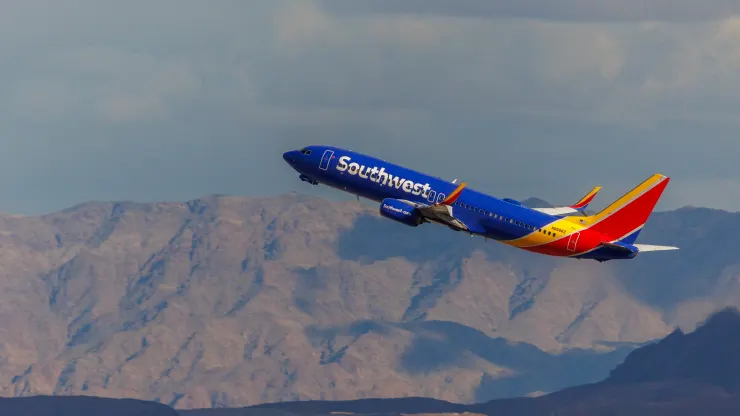

Southwest Airlines is set to implement the most significant changes to its business model in 53 years by introducing assigned seating and extra legroom options. This decision comes as the airline faces mounting pressure to increase revenue and compete more effectively in the aviation market.
Starting next year, Southwest will offer flights with extra legroom seats, departing from its traditional open seating model. Additionally, the airline plans to introduce overnight flights beginning in February. This shift is aimed at addressing customer preferences and boosting the airline’s appeal to corporate travelers.
Research conducted by Southwest revealed that the open seating model was the top reason customers chose competitors over Southwest. Furthermore, 80% of Southwest’s own customers expressed a preference for assigned seating. “Although our unique open seating model has been a part of Southwest Airlines since our inception, our thoughtful and extensive research makes it clear this is the right choice — at the right time — for our Customers, our People, and our Shareholders,” said CEO Bob Jordan.
Historically, Southwest has thrived on a simple business model, consistently delivering steady profits. However, changing travel patterns, with more travelers opting for longer flights, have increased the demand for assigned seating. “Customers are just taking fewer short haul trips today. They’re flying longer, and when they fly longer, the importance of an assigned seat goes up,” Jordan noted.
Despite these changes, Southwest will maintain its popular two free checked bags policy, a significant factor in customer loyalty. The airline’s “bags fly free” policy remains a primary reason why travelers choose Southwest over other carriers.
The decision to segment its product offering follows the disclosure by activist investor Elliott Investment Management of a nearly $2 billion stake in Southwest, accompanied by calls for new leadership. Despite these pressures, Jordan emphasized that the seating changes were in development for almost a year and were not a direct response to Elliott’s involvement.
Southwest’s updated seating arrangement will include about one-third of seats on its Boeing 737s offering extended legroom, pending approval from the Federal Aviation Administration. The airline projects that the new seating options will generate revenue “substantially north of” $1 billion annually.
The introduction of assigned seating and extra legroom is expected to involve minimal capital expenditure, as it primarily requires cabin adjustments rather than new purchases. While Southwest has been criticized for moving slowly compared to competitors who offer various upsell options, the airline remains committed to enhancing its services to meet evolving customer needs.
More details about these changes will be provided at Southwest’s investor day at the end of September.
READ MORE: